The Complete Guide to Low-Waste Cooking
Reducing food waste is one of the best ways to help the planet, and it's easier than you might think. We break down the basics of low-waste cooking, from the ingredients you purchase to the kitchen itself.
Would you like to save this?
Disclosure: Some links below are affiliate links. This means that, at zero cost to you, I will earn an affiliate commission if you click through the link and finalize a purchase. As an Amazon Associate, I earn from qualifying purchases.
The guide is comprehensive, so use the below menu to quickly jump to sections, if needed.
If you're celebrating Earth Day, this low-waste guide has lots of ideas, but you can find even more with our Earth Day activities list: 30+ Creative Ideas for Earth Day Activities.
Jump to:
- ⏰ Quick overview
- ❓What is low-waste cooking?
- What’s the difference between low waste and zero waste cooking?
- 📈 Crunching the numbers
- 🗑️ Food and Kitchen Waste Examples
- ♻️ The 3 Ps: Preserve, Prepare, Package
- ♨️ Reducing Kitchen Energy Use
- 💡Author's Note
- 🥄 Choose Sustainable Cooking Tools
- ✨ Low-Waste Principles
- 📚 Resources to Learn More about Low-Waste Cooking
- ❓ Frequently Asked Questions
- 🕰️ The Latest
⏰ Quick overview
- What: Low-waste cooking aims to reduce food scrap waste, energy waste, and cookware waste.
- Why: One-third of food grown globally is wasted each year and food waste is one of the largest contributors to greenhouse gas emissions.
- How: Get started by
- Following the 3 Ps of low-waste cooking (preserve, prepare, and package)
- Repurpose food scraps
- Avoid wasting energy during the cooking process (and I mean the energy coming from your appliances; though, yours is important, too! 😉)
- Choose eco-friendly materials for storage containers and cookware that will last a long time and are less likely to leach microplastics
❓What is low-waste cooking?
Low-waste cooking is an approach to food preparation that reduces waste in a number of forms: (a) food scrap waste, (b) energy waste, and (c) cookware waste. Lowering waste (hence, the name) aligns with reducing a kitchen’s environmental footprint and cost.
Traditionally, “low waste” has focused on repurposing food scraps to create new dishes, which is a large part of the initiative. However, “waste” in the kitchen doesn’t just begin and end with food. Packaging, preparation methods, and tools can be optimized to reduce impact without sacrificing quality. Think of it this way: waste can be generated on farms (also known as food loss), along the supply chain, and in the home.
What’s the difference between low waste and zero waste cooking?
Zero waste cooking means your goal is to generate no food or packaging waste when cooking. Low waste cooking reduces the generated waste, but some may still be produced during the cooking process. Low waste principles may also be referred to as "low impact."
While I believe zero waste cooking is a worthy goal, this guide is aimed at waste reduction and, therefore, falls under the definition of low waste. If it helps you get closer to a zero waste kitchen, wonderful! Just know there is no such thing as perfection and every little bit helps.
Many in the zero waste lifestyle space will remind you that "zero waste" doesn't have to mean no waste is produced. And, the ideas outlined in this guide are helpful to those embracing zero waste cooking habits as well!
📈 Crunching the numbers
Let's take a quick look at why low-waste cooking is so important. Facts and data are always a great place to start:
- 40% of the U.S. food supply is wasted each year.1
- The greatest amount of space taken up in U.S. landfills is food waste, making up 22% of Municipal Solid Waste.2
- One-third of the food produced globally goes to waste.3
- China wastes the most food annually, with America coming in fifth place. View a map of the countries with the most waste in this Be the Story article.
- Globally, the amount of wasted food is large enough to represent its own country when measured by global gas emissions. And that country is fifth in the world.4
- Dive deeper with additional food waste statistics at bethestory.com.
While we can certainly all work together to support initiatives reducing food waste in our respective communities, we have the most control over making an impact in our own kitchens. In fact, according to the UN's 2024 Food Waste Index Report, approximately 60% of the food wasted globally comes from homes.
Which means we CAN make a difference on an individual level. Let's get started!
🗑️ Food and Kitchen Waste Examples
Examples of kitchen waste can vary widely and cover pretty much every food. (Maybe not fruitcake that has a lifespan of years, but that's a story for another day...)
- Food waste examples: Produce, meat, dairy, or leftovers that spoil before use, pieces of food that are removed and discarded during the cooking process, or food that never gets sold to consumers due to issues like not looking perfect. SMH
- Kitchen waste examples: Overusing energy while cooking, appliances that aren't optimized and consume more energy than needed, and tools made from low-quality materials that will break prematurely and get discarded into a landfill.
♻️ The 3 Ps: Preserve, Prepare, Package

We can remember some of the most important steps to low-waste cooking by using the 3 Ps: Preserve, Prepare, Package.
- Preserve the life of the food you bring into your kitchen.
- Prepare food before it spoils and take steps to repurpose scraps created while cooking.
- Package leftovers for storage in appropriate containers AND reduce food packaging waste.
‼️ Prior to buying your groceries, take a peek at our Grocery Guide outlining the Environmental Working Group's Dirty Dozen and Clean Fifteen lists with additional insight. Use this to help you decide what items to buy organic.
We even include a downloadable version that can be set as a reminder on your phone the next time you're at your preferred grocery store.

Preserve the life of your food with proper storage
Keeping food fresh as long as possible is an obvious first step to reducing waste, saving you money, and making your taste buds happy. Here are some tips to make sure your storage habits are top notch:
- Understand the storage needs of your food. This can include everything from storing produce in the appropriate container to actually regenerating new growth when placed in water and the right conditions. Generally,
- Root vegetables and tropical fruits do best at room temperature
- Leafy greens, berries, and small fruits should be refrigerated
- Keep produce that omits ethylene away from other produce to prevent a reaction that speeds up spoilage
- Once you cut into food, refrigerate or freeze it
- Try not to store food in plastic bags
- Learn how to interpret food labels. Know how to differentiate between “best by” and “sell by” dates, for example. And, labels only go so far. You can still analyze the quality of the food yourself for freshness (for example, if stored improperly, the food may expire early).
- Your freezer is your friend. It’s normal to overcommit when you’re at the store or farmer’s market. And, let’s face it…life happens. If you notice produce starting to wilt, spoil, or you simply want to stay ahead of spoilage, extend it's life by using your freezer.
- Be sure to use freezer-safe containers to prevent freezer burn.
- Remember that once frozen, some foods don’t return to peak freshness. Once a leafy green freezes, its cell walls break down and it would be too wilted to use in a salad once thawed. But, they’re great for a smoothie!
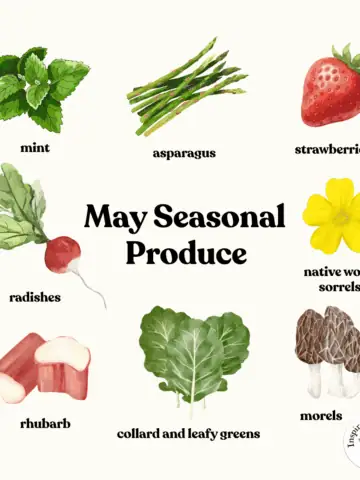
- Embrace seasonality when possible. If you have the opportunity to buy local, that’s wonderful…and more eco-friendly! This also supports buying food when it’s in season and planning your meals accordingly. Produce will be at peak freshness and better suited for your dishes.
- Consider meal prep. I'll be honest, this one isn't something I have a ton of experience implementing. However, others have success with it, and I do believe it supports the concept of planning and mindfulness. If you go into the day, week, or month with a plan for your meals, the less likely you are to buy food that inevitably ends up in the compost or landfill.
- Create an organizational system that works for you. I have my mom’s voice in my head from almost every time she sees me open a jar and not make a note of the date it was opened. (I’m still trying, Mom!) It does make sense, though, to create a system that you understand.
- If you’re more likely to make recipes with citrus zest (for example), keep that at the front of your freezer so it's easy to grab.
- Within reason, create designated zones for fruit, scraps for stock, food to be composted, etc.
- Keep fragile produce or food that expires quickly near the front of your refrigerator so you can monitor its freshness and be prepared to use it or freeze it. Of course, you can always note when something was opened on the lid. That one’s for you, Mom.
- A popular concept of refrigerator organization is "First In, First Out," which means you prioritize the food that's been sitting in your fridge the longest, reducing the chances of spoilage.
Prepare food using techniques that produce minimal waste
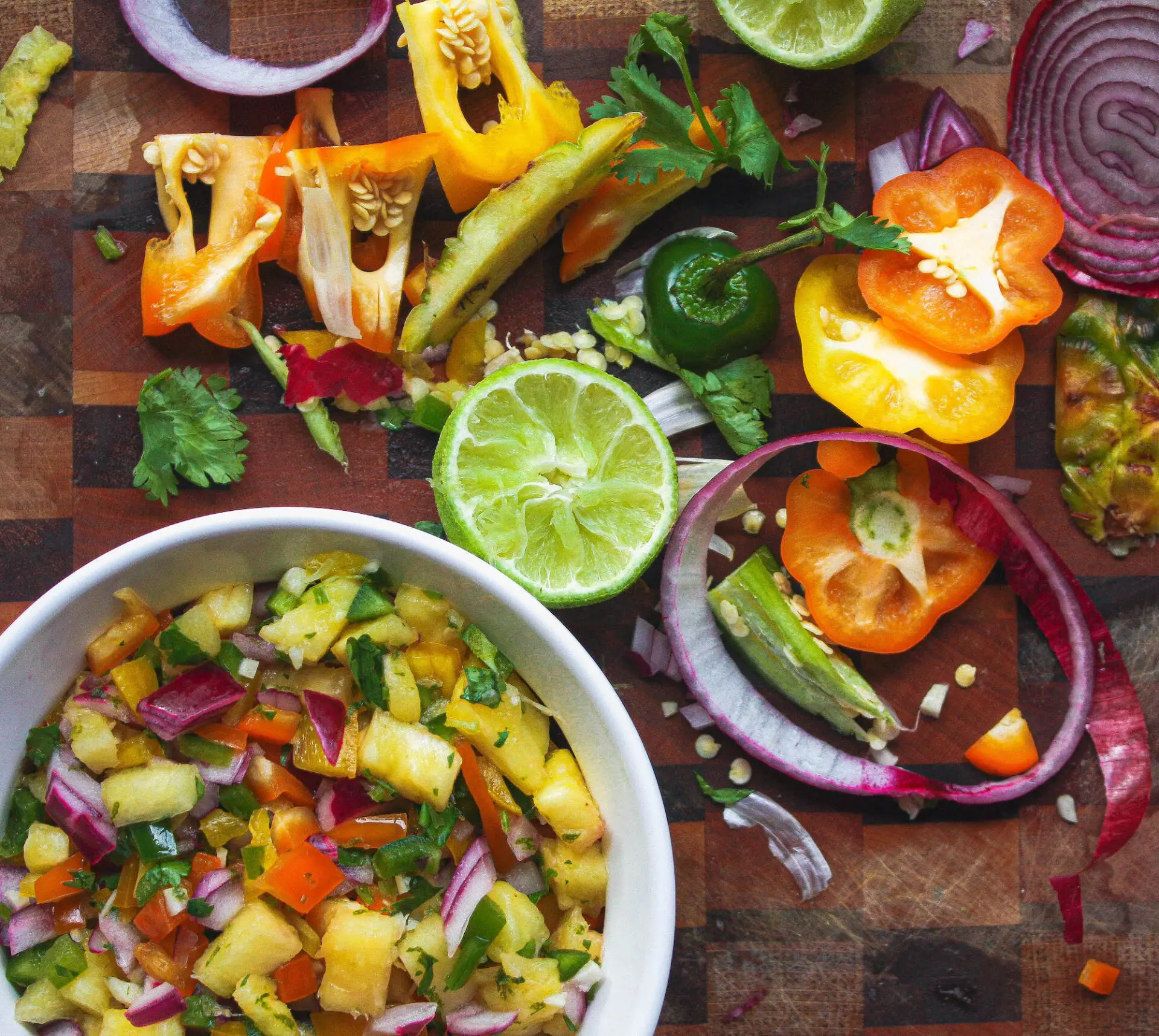
When you’re ready to start cooking, remember that preparation plays a big role in low-waste cooking. Here’s how to reduce or repurpose scraps you create while making your delicious goodies, and choosing recipes that are naturally low waste.
Scraps
Food scraps can really be anything you discard from your recipe. Some of the most common are: stems and stalks, leaves, peels and skins, tops, and roots.
- Understand what’s edible and what's not. This applies to the parts of a plant as well as any food that has a suspicious appearance. If something’s gone moldy, for example, that’s best for the compost pile and not your digestive system.
- Get creative with uses for scraps. Below are a few ideas to get you started:
- Side dishes: vegetable scraps, herbs, and greens
- Smoothies: fruit, fruit scraps, and greens
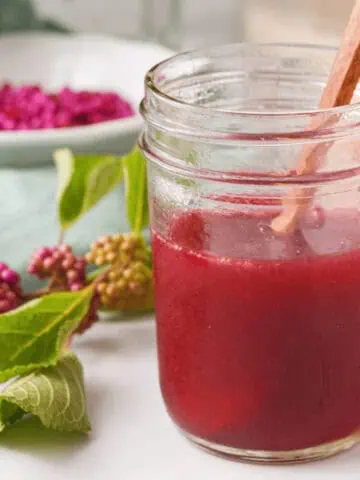
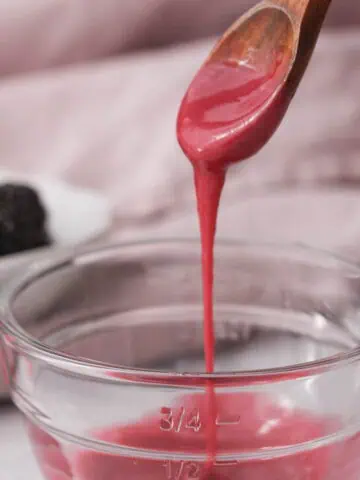
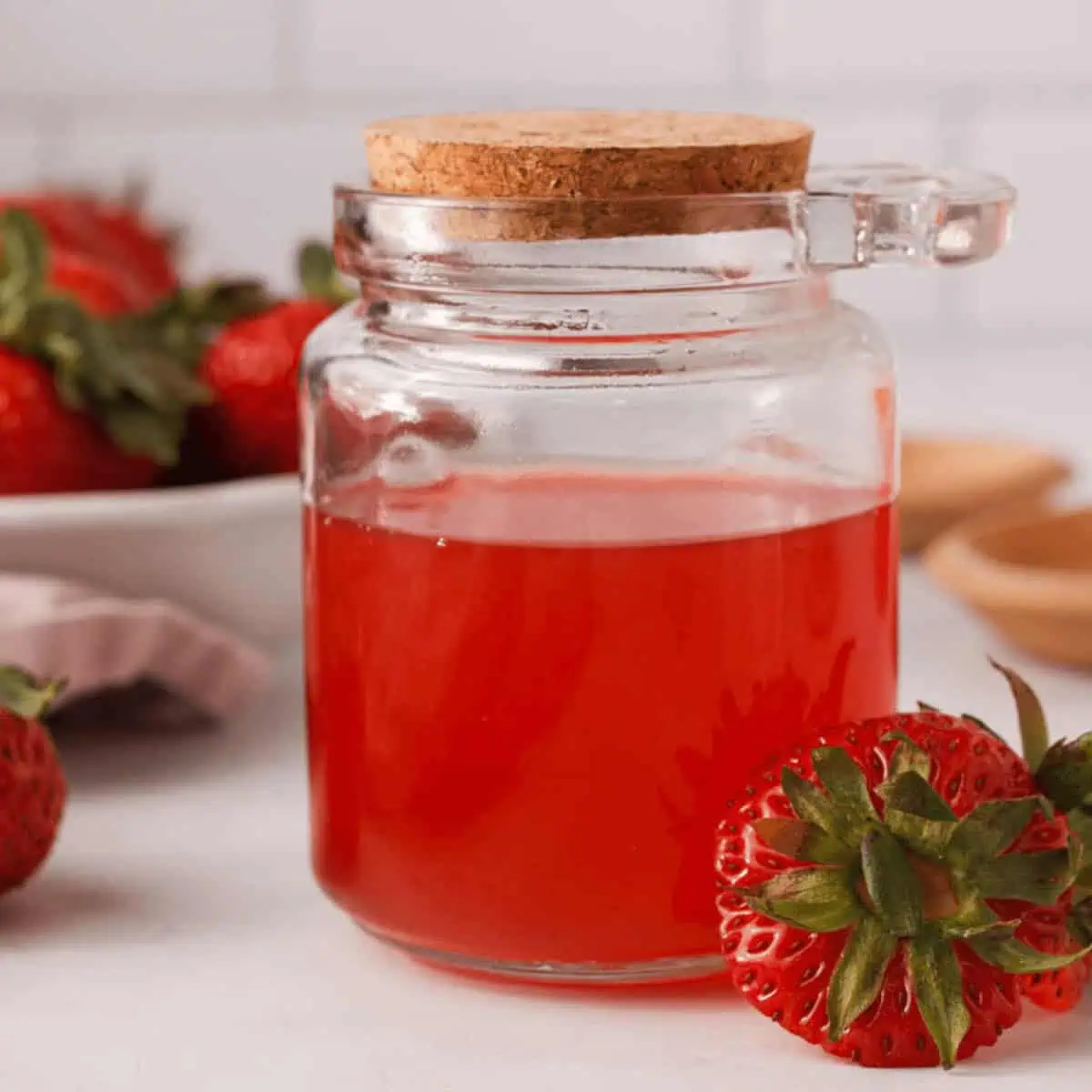
- Syrups: fruit and herb scraps
- Broths, stalks, and soups: scraps of vegetables and aromatics
- Toppings: vegetable and fruit leftovers to top savory and sweet dishes
- Mix-ins: leftover dessert toppings, dried fruit scraps, nuts, and more
- Croutons and breadcrumbs: stale bread and biscuits
- Ice cubes: fruit and herbs turned into ice cubes for fun drinks
- Hummus, pestos, and dips: great for greens before or as they turn wilty
- Seasonings and powders: fruits, vegetable roots, peels, and more
- Pickling: fruits, vegetables, and stalks
- Thickeners, egg replacers: leftover aquafaba (chickpea liquid), chia and flax seeds
- Preparing and cooking scraps
- Understand the best preparation for different textures. For example, tougher stalks need to be sautéed or cooked longer for a tender result.
- Broths and stalks aren’t a one-size-fits all solution for food scraps. Avoid using bitter scraps, like those from the brassica family (such as broccoli) when making a stock.
- Pay close attention to cleaning. Some fruits and vegetables harbor dirt and grit in crevices that would have otherwise been discarded. Be sure to wash thoroughly. Collard greens, including collard green stems, are a good example.
- Discarding inedible scraps
- Compost. When in doubt, compost! Turning waste into soil is a great use for scraps and circularity in action...your old food will one day support your new food in the garden!
- Use as garden fertilizer. This can include everything from diluted water from your tofu packaging to used ground coffee from your coffee maker (great source of nitrogen)...even avocado seed powder. Consider your garden and the needs of your plants, as with any fertilizer. Plants vary in their nutrient and pH requirements, so some scraps are best paired with compatible plants.
Food Scrap recipes to try
Here are some of my favorite recipes that make food scraps the star of the show!



Cooking Techniques
- Use techniques to prevent food sticking to pans, leaving behind residue. Think, oatmeal stuck to a pot or bits of tofu in a skillet.
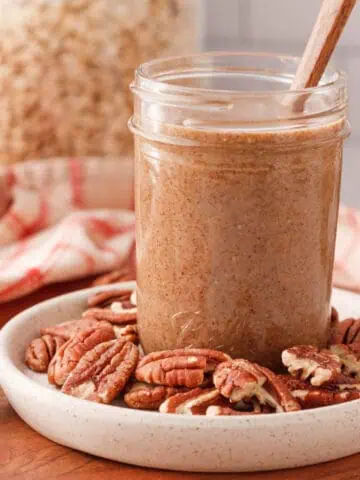
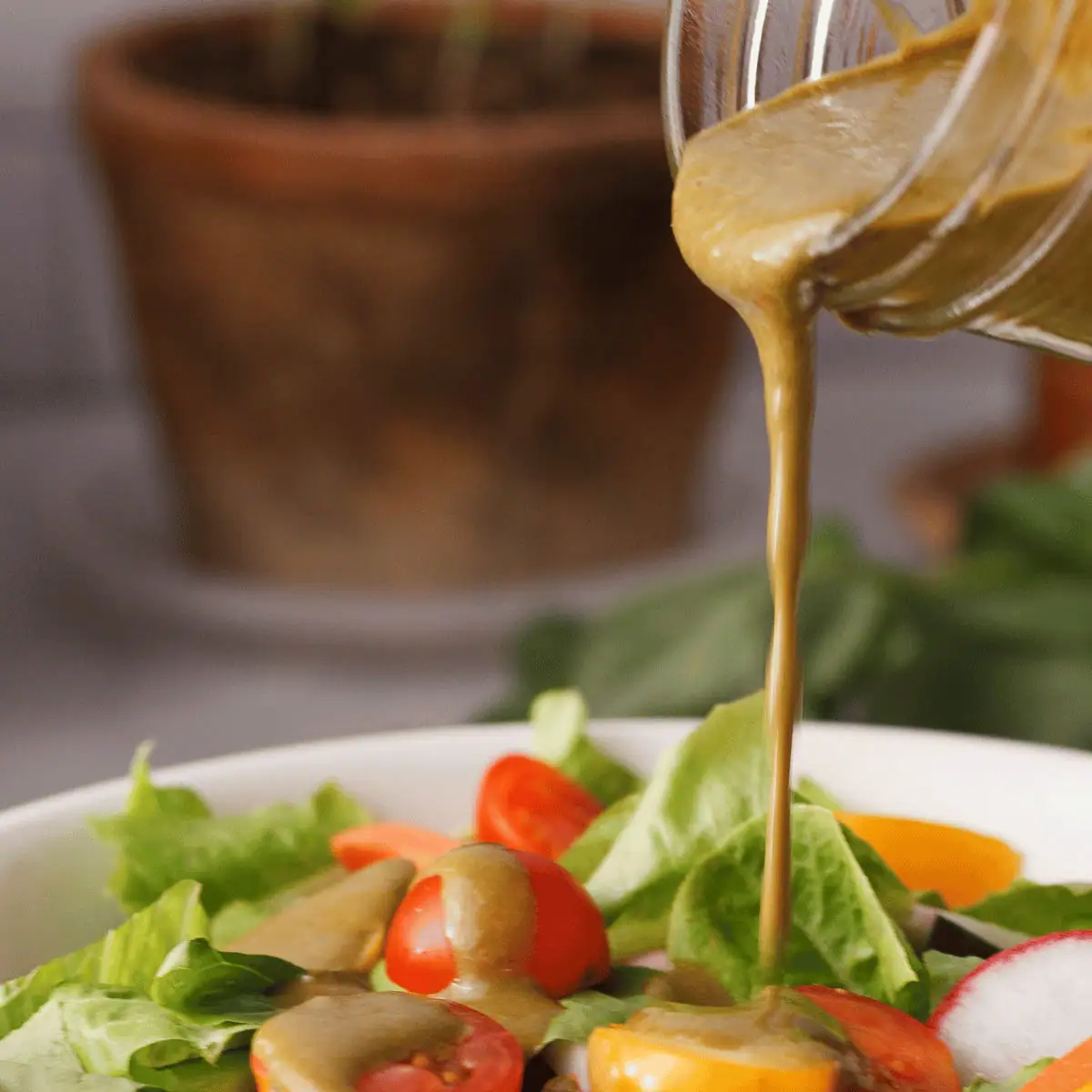
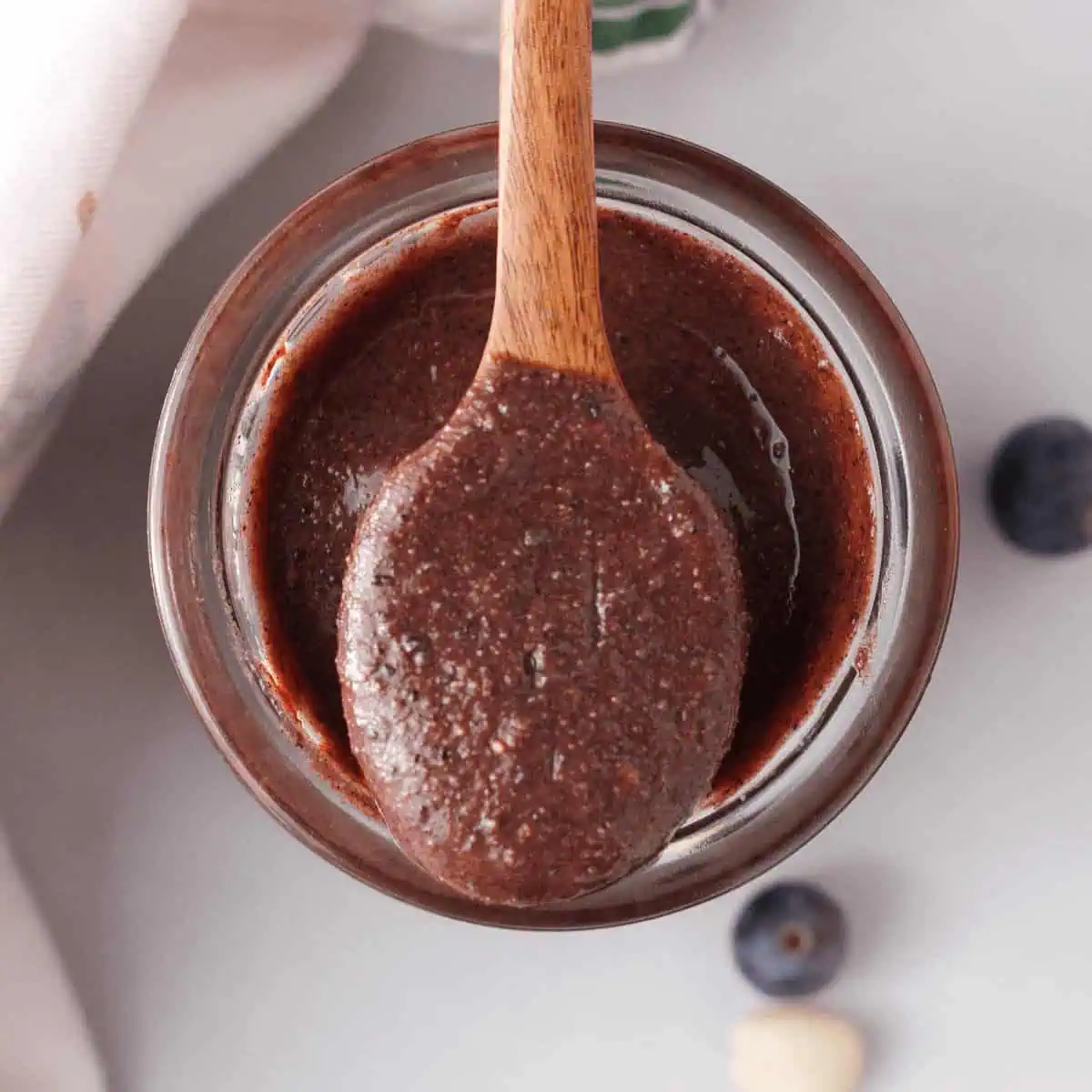
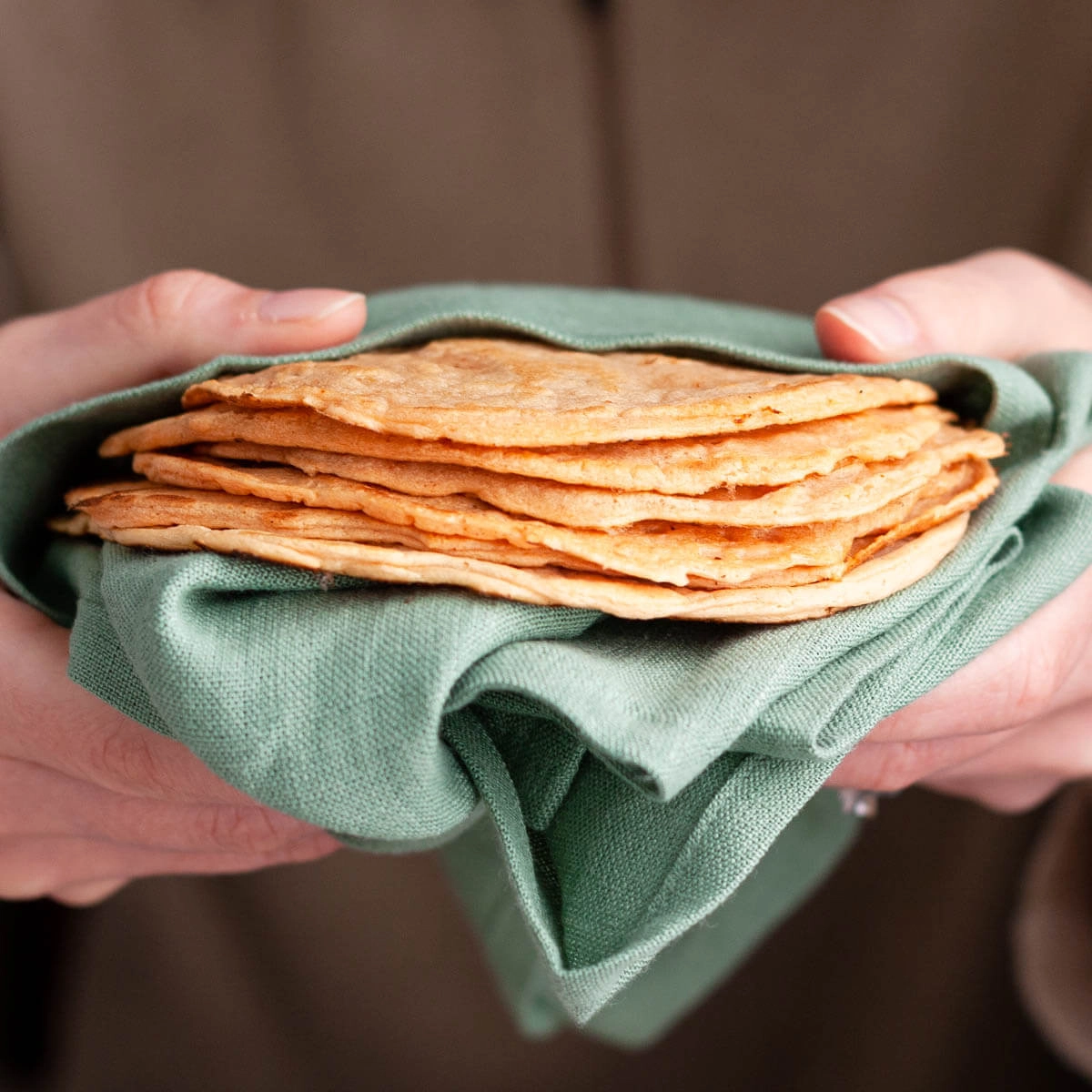
- Select staples to cook from scratch, like nut butters. The more you’re able to make something yourself, the better. It's ok to be realistic, though. If you’re low on time, consider just trying some basic options like nut butters, dried fruit, granola, tortillas, and homemade dressings. Here are a few recipes to start:
- Balsamic Basil Dressing
- Blueberry Peanut Butter
- Homemade Blueberry Granola (includes instructions for drying your own blueberries!)
- Red Lentil Tortillas

Packaging leftovers and waste
When you've whipped up a batch of [insert your recipe here!] it's important to package it for storage so it doesn't spoil too quickly. This section also addresses the packaging (or pieces) that are leftover from cooking, like rubber bands that held your veggies together or food containers.
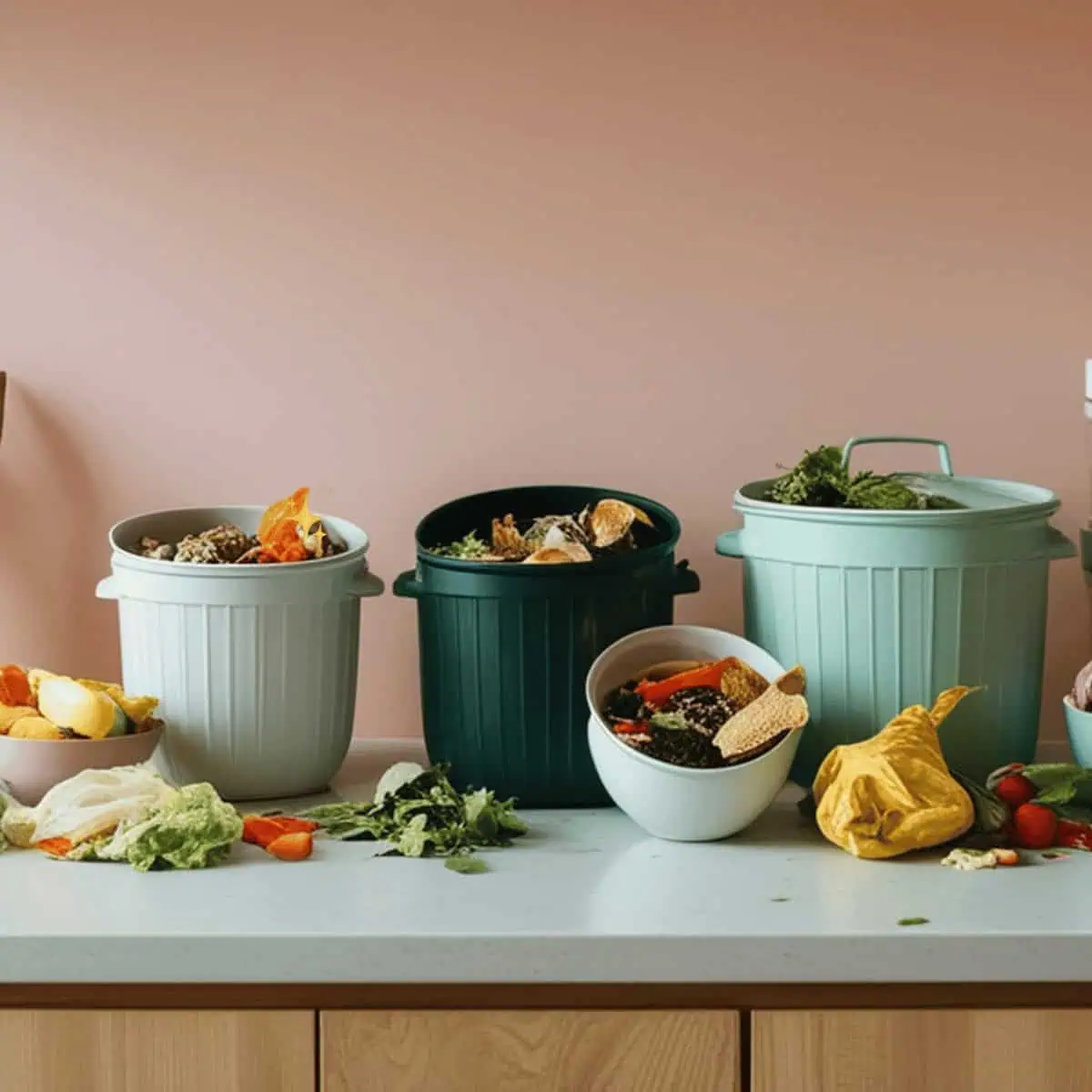
- Separate food scraps into containers that make sense for your organizational system. Here are a few ideas:
- Keep scraps for stocks and broths in a freezer-safe bag.
- If it fits, you can keep a small kitchen compost bin in the freezer until you’re ready to empty it in your home compost.
- Use separate containers for flavors you like to use individually. For example, I store my lime and lemon zest separately because I prefer to add lime zest to my homemade salsa recipes, and lemon zest in baked goods and teas (like these lemon poppy seed pancakes).
- Reduce the amount of food packaging that comes into your home, when possible. If you can’t avoid it, try to get creative with repurposing or recycling the packaging. Here are some ideas:
- Use rubber bands and twist ties in the garden to tie plants to stakes.
- Store everything from raw ingredients to homemade spices in glass jars rather than plastic containers. While it can be fragile if dropped, I do prefer glass as a storage material in my kitchen.
- Recycle plastic packaging, or reuse for leftover containers sparingly. If the container can't be recycled, trash might be your only option, which is worst-case scenario. Consider repurposing resealable plastic containers to hold seeds or small household and garden objects.
- Store leftovers properly. There is a difference between airtight containers and freezer-safe containers, though all freezer-safe containers should be airtight.
- Label and date the containers, or track the date digitally.
- Leave room at the top of glass containers when storing liquid as it will expand in the freezer.
- Store short-term leftovers in the refrigerator unless making a recipe that needs to be frozen immediately, like these frozen peanut butter dates.
So, we’ve implemented the “3Ps.” Now what?
♨️ Reducing Kitchen Energy Use

The kitchen is the heart of the home, so when you’re ready to embrace low-waste cooking, make sure your kitchen can support it! Below are tips to make your kitchen as efficient as possible:
- Use an electric kettle to quickly boil water instead of the stovetop. In fact, the electric kettle is more than TWICE as efficient as the stovetop method because you aren't losing energy to the surrounding air, energy needed to heat the pot, and energy lost if you don't put a lid on the pot. Treehugger goes into more detail (with calculations!) in this article about heat efficiency.
- Consider the type of stovetop you’re using, which is typically either gas, electric, or induction. The best options from an energy-use standpoint is either induction or electric. Gas loses quite a bit of energy on the outer edges of the burner, and is worse for the environment. (There are also concerns about health-related issues from gas stoves in the home.)
- If you have an air fryer handy, use it to make small-batch recipes instead of heating your oven. In fact, air fryers use about half the amount of energy as a traditional oven.
- Match the size of your cookware to the stove burners. Putting a small pot on a large burner just allows energy to escape from the sides.
- Take steps to make sure your refrigerator isn’t stressing and using more energy than needed. Keep it full, but not stuffed. Clean the coils regularly to prevent the machine from working harder than it needs to. And, set the internal temperature to 37-40 degrees Fahrenheit (0 degrees for the freezer).
- Only run the dishwasher when full. You're just wasting water, soap, and energy if you run it when partially full (since it uses the same amount regardless of how full it is).
💡Author's Note
While induction stovetops are a popular eco-friendly choice to lower the amount of power needed (and wasted) during cooking, I'm still monitoring reports about the affordability, durability, and lifespan of these cooktops to get a clearer picture of their lifecycle. In my opinion, research about their lifespan (LCAs) must address their viability compared to traditional electric for us to have a complete picture. The technology is promising, so stay tuned for updates!
You've tackled reducing food waste, lowering the output of your kitchen energy, but we have another category to cover: how to reduce waste from gadgets.
🥄 Choose Sustainable Cooking Tools

As soon as you step into your kitchen to prepare your favorite nibbles, you have to pick up a tool. And the materials of those gadgets goes beyond their food duties. It's important to consider their durability, whether or not they leach harmful chemicals, and how to dispose of them at the end of their lifespan.
Discard plastic black cookware as quickly as possible due to their ability to leach microplastics into your food. Gross. If you know of a recycling center that will take them, that’s great. If not, though, you still need to kick these out of the rotation.
Materials
Choose materials that are durable and have a long lifespan. This is also a great opportunity to reduce microplastic and chemicals that leach into your food while cutting or cooking.
- Cookware/Bakeware: Cast iron, stainless steel, carbon steel, copper, and stoneware offer eco-friendly and durable options often known to last generations. Learn more about bakeware material here.
- Cutting Boards: Instead of plastic opt for wood cutting boards. Other hard surfaces (like stone and glass) will dull your knives prematurely, and plastic is a no-go.
- Cooking Utensils: Choose stainless steel or wood cooking utensils instead of plastics.
- Cleaning Tools: Opt for reusable materials, such as:
- Towels instead of paper towels
- Sponges from natural fibers (like natural loofahs, coconut fibers) instead of plastic
- Bar soap in place of liquid soap in plastic containers
- Use an eco-friendly oil for wood cutting boards, like linseed oil
- Storage: Opt for glass or stainless steel for longevity and lack of plastic components.
When it's time to stock your kitchen, buying tools second-hand can be a great way to give something new life and save some money! I LOVE looking for glass storage containers at thrift stores. If you have a Buy Nothing group in your area, that's another good option for kitchen finds. You can also visit estate sales and antique stores. Bonus: Second-hand items can add some character to your kitchen as well! Win-win!
wasteful kitchen gadgets
No, you probably don’t need that garlic mincer that’s gathering dust in the back of your drawer. You can effectively mince garlic with a good-quality knife and cutting board. If you're willing to embrace a minimalistic approach to your tools, and avoid single-use or low-quality gadgets likely to end up in the landfill, you'll lower your footprint even more. The goal is to purchase good-quality, multi-purpose tools that won't leach plastic or unwanted chemicals into your food.
Here are some examples of kitchen gadgets that really aren’t necessary, and some alternative options:
- Garlic press
- Alternative: Knife and cutting board
- Spaghetti spoon
- Alternative: Tongs
- Plastic citrus juicer
- Alternative: Hand-held wood juicer, glass juicer, or fork
- Herb cutter
- Alternative: Hands, knife, kitchen scissors
- Fruit, veggie, and herb choppers
- Alternative: Classic knife and cutting board
This is a small list to get you started. A good rule of thumb is to be cautious of trendy items, or those that are built to only handle one task.
I would like to note that some gadgets are helpful for those who need assistance in the kitchen for medical (and other) reasons. Of course, these serve a greater purpose and are excluded from some of the above recommendations.
✨ Low-Waste Principles
You may have heard other sayings that represent zero or low-waste lifestyles. Two of the more well-known sayings may help make mindful decisions throughout the shopping and cooking process:
- Reduce, Reuse, Recyle
- Refuse, Reduce, Reuse, Recycle, Rot
- First In, First Out
📚 Resources to Learn More about Low-Waste Cooking
Websites
- Wasted Food - Johns Hopkins Center for a Livable Future
- LeafScore
- Gittemary Johansen
- NRDC - Food Waste Reduction
- Healthline - Zero Waste Cooking
Books and Cookbooks
- The Complete Book of Vegan Compleating: An AZ of Zero-Waste Eating For the Mindful Vegan
- Low Waste Kitchen: Radical Recipes for Sustainable Living
- PlantYou Scrappy Cooking: 140+ Plant-Based Zero-Waste Recipes That are Good for You, Your Wallet and the Planet
Some books on my recommended reading list are available from a variety of suppliers. The below Kit will give you the option to pick a supplier, if available. Of course, the most sustainable option is to check your local library or Buy Nothing group first.
❓ Frequently Asked Questions
What are common types of kitchen waste?
Home and professional kitchens do produce waste, and some of the most common types include food scraps, food packaging, food that has aged to the point of being inedible, and energy use.
What are the top five most wasted foods?
Data differs somewhat by region, but lettuce, bananas, milk, apple, and bread are typically in the top five of wasted food. The good news is that each of these is easy to preserve and salvage with a little planning.
What is the most environmentally-friendly way to cook food?
There is no one-size-fits all approach to eco-friendly cooking, but some of the best habits to reduce your impact is to cook with plant-based ingredients, use smaller appliances like electric kettles and air fryers to supplement your larger appliances, and cook root-to-stem by using the ingredient in its entirety so less ends up in the landfill.
I'm excited to share a low-waste cooking journey with you! Leave your questions in the comments, and I'd love to hear what you do to support a more low-waste kitchen in your home. Cheers!
- https://foodsystemprimer.org/wasted-food ↩︎
- https://www.neefusa.org/story/climate-change/food-waste-thought ↩︎
- https://www.wri.org/insights/how-much-food-does-the-world-waste ↩︎
- https://www.be-the-story.com/en/food-waste/here-are-the-10-countries-that-waste-the-most-food/ ↩︎