30+ Creative Ideas for Earth Day Activities
Need ideas for Earth Day activities this year? Below, you'll find ideas with a little something for all ages, interest levels, and budgets. Plus, April is also known as "Earth Month" and "Native Plant Month," so you can use these all month (and beyond)!

Would you like to save this?
Disclosure: Some links below are affiliate links. This means that, at zero cost to you, I will earn an affiliate commission if you click through the link and finalize a purchase. As an Amazon Associate, I earn from qualifying purchases.
"The greatest danger to our future is apathy." - Jane Goodall
If you care about the Earth, conservation, food systems, and how we all can coexist, then April is YOUR time to shine. 😃 It's Earth Month and Native Plant Month (woohoo!). Earth Day, specifically, is a day for advocacy, reflection, and action. I'm excited to share a number of creative Earth Day activities that should be useful for all skill levels, ages, and budgets. So, circle April 22nd on the calendar and get ready to have some sustainable fun!
Of course, you may have some fun Earth Day activities that are meaningful to you...please feel free to share in the comments!
⏰ Quick overview
Brief History
- The first Earth Day took place in 1970, spearheaded by Sen. Gaylord Nelson and activist Denis Hayes.
- April 22nd was chosen because it was a weekday (at the time) between Spring Break and finals on college campuses, with the hope of harnessing college student involvement.
- 20 million Americans protested on the first Earth Day, representing 10% of the U.S. population and making a clear statement about public desire for more robust environmental initiatives.
- The first Earth Day is credited with the start of the Environmental Protection Agency, the National Environmental Act, and the Clean Air Act, among others.
- Earth Day became a global movement by the 90s and early 2000s, growing to about 1 billion participants in 2010.
Learn more about the history of Earth Day at earthday.org.
Key Takeaways
- Earth Day is a dedicated day to celebrate sustainability, but you can use these ideas to support the environment all year.
- Education is critical to success, so begin by educating yourself and spread that knowledge to your community. It doesn't have to be much...just a simple conversation can make a big difference.
- Ideas for Earth Day even include what NOT to do, like buying from brands that are greenwashing, using fast fashion to sell Earth Day attire, and more.
- Perhaps most important: There is no such thing as perfection in sustainability...on Earth Day, or any other time. Doing something is better than nothing, so embrace what you can and keep an open mind to trying more later.
📝 Idea List
Featured Idea:
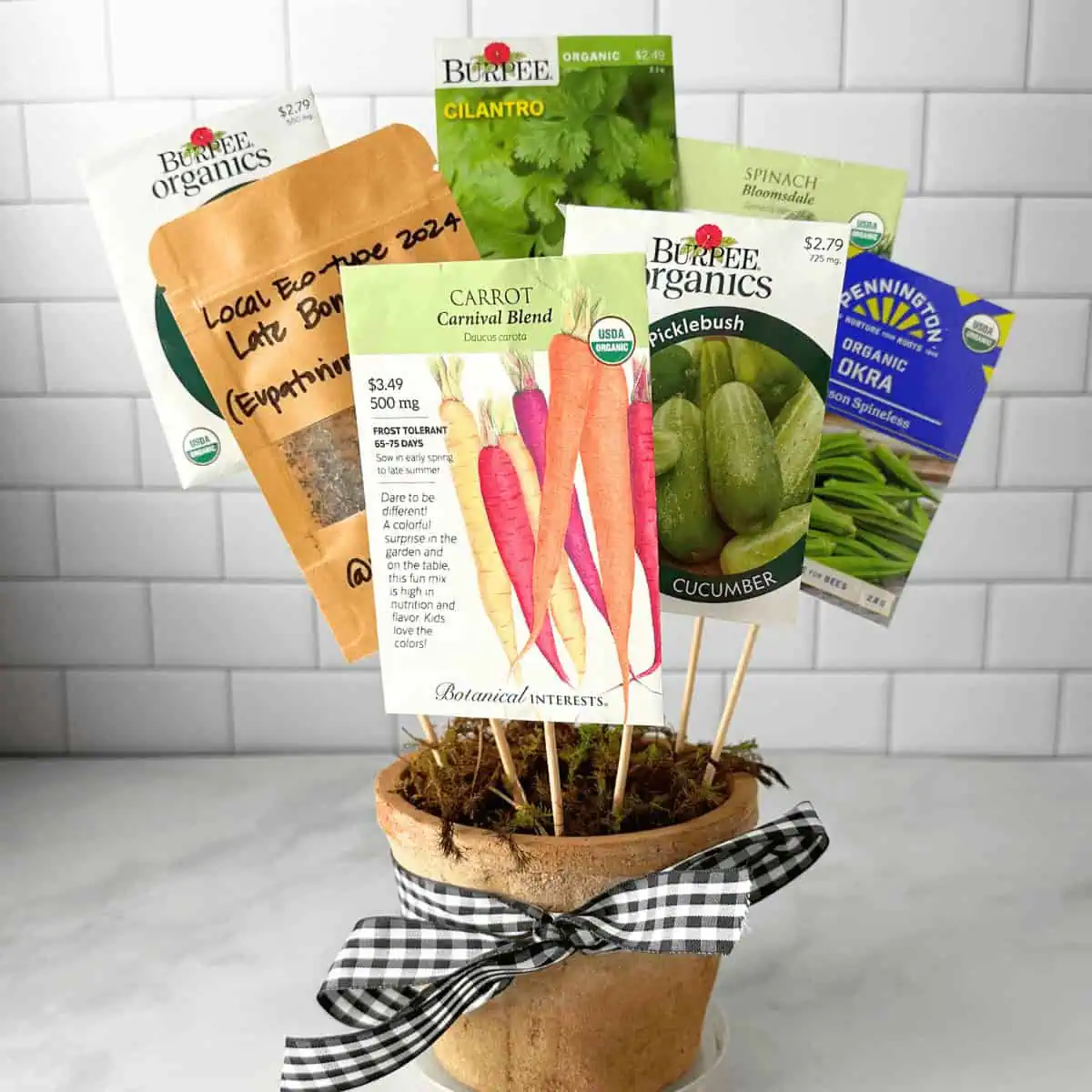
Make a seed bouquet to celebrate Earth Day, or practically any holiday. It's a great gift idea for the garden enthusiast in your life. Create themes, like a tea garden, salsa garden, and more, by using seeds to fit the theme.
All you need:
- Seed packets
- Skewers
- Tape
- Pot
- Soil or pot filler
- Decorations, like a thrifted ribbon
Get the full instructions to create your own seed bouquet today!
🌱 Garden
- Make a DIY Seed Bouquet. See above for the video and ideas. It's a low-waste gift idea to share with someone special on Earth Day!
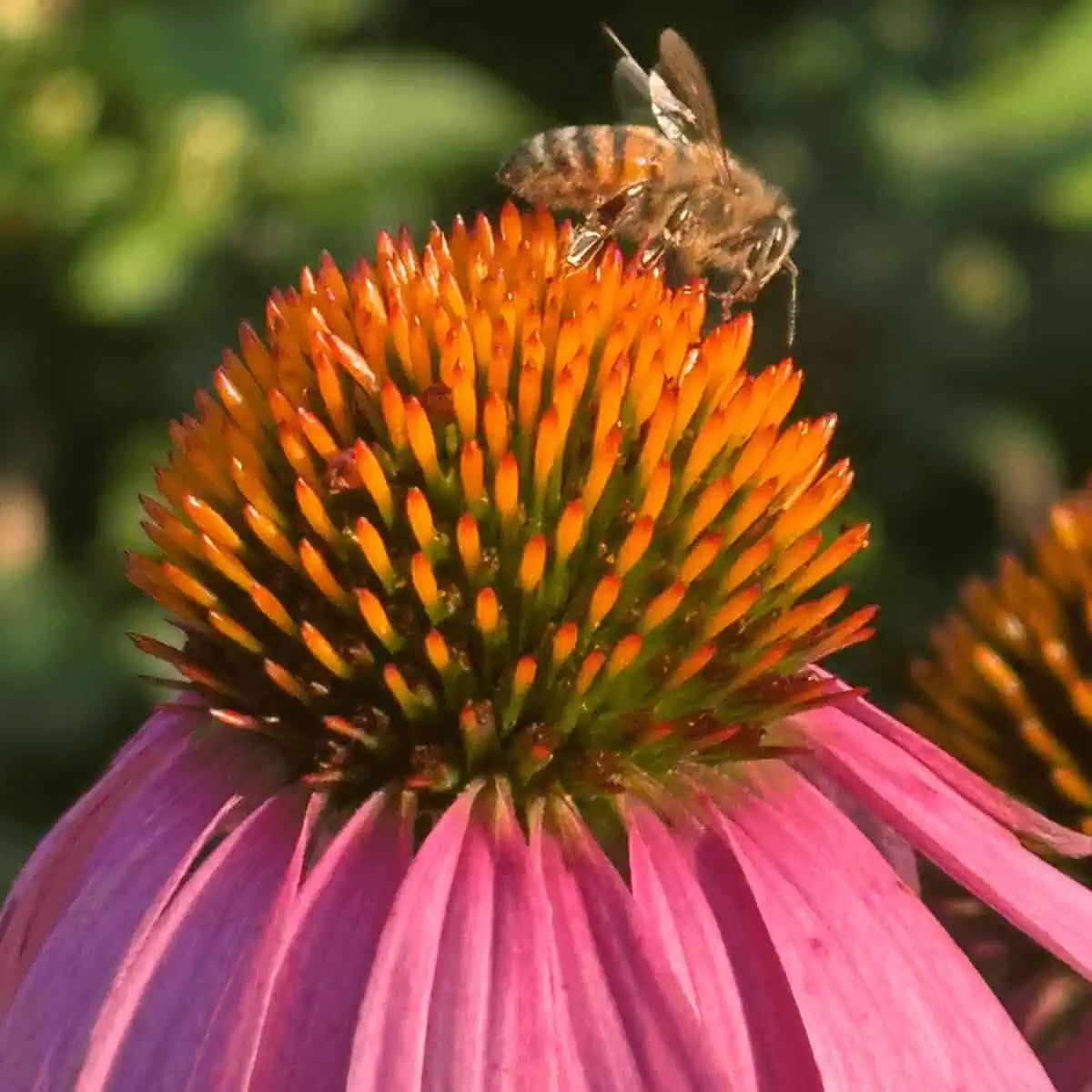
- Add native plants to your yard, porch, or patio. Native plants are critical to supporting pollinators, reducing erosion, and creating healthy ecosystems. Back away from the exotic plants at most nurseries and opt for native plants instead. Yes, some can be potted if you live in a small space.
- Create a butterfly puddler (also known as a puddle or puddling station). Butterflies need water, just like the rest of us. If you grab a terra cotta or shallow stone dish, add sand or rocks, a little compost and water, you can place this "puddler" in your garden for these beauties to rest and hydrate. Here's a video tutorial to make a puddler, but keep in mind that you can add compost in place of manure for those following a vegan lifestyle. 🦋
- Visit a seed library and choose some non-invasive seeds to grow in your yard or home! Check your local library or Master Gardener networks to find a location near you. You can also take a look at this interactive map, and consider working with your local library to start one, if they haven't already!
- Start a compost pile at home, or take compost to a community compost. Build your own, buy a kit to put together, send to your local community compost area, or sign up for a compost service (like CompostNow) to keep your discarded food out of the landfill.
- Make mosquito dunk buckets to place throughout your property. If mosquitoes plague your yard, spraying is only going to hurt valuable pollinators (and not solve the mosquito problem). It's cheaper, more effective, and more environmentally-friendly to create a mosquito dunk bucket...or more than one, depending on the size of your property. Learn more with this mosquito dunk tutorial and tell your neighbors their spraying is really a destructive waste of money (maybe package the message a little nicer... 🤣).
- Turn food scraps into garden fertilizer. Add coffee grounds, diluted tofu water, and other food scraps to your garden for a nutrient boost. Check the needs of your plants, but this is a wonderful, low-waste way to get more use out of your food.
- Spend time removing invasive plants from your property. Invasive plants vary a bit by ecoregion, but obvious invasive plants include English Ivy, Nandina, Privet, Kudzu, Burning Bush, and more. Check with your local extension office for a full list and start removing these from your landscape. Remember, invasive plants can appear in your yard from neighboring areas, even if you didn't plant it yourself.
- Join a native plant society local to your area and explore their resources. Native plant societies are a GREAT way to discover native plants, make some new friends, volunteer, and even get ideas for your own landscape. Here's a directory for native plant societies in North America.
- Register your property as a habitat for wildlife. We completed this process with the National Wildlife Federation, but several organizations exist, so you can get quite a few certifications to show off to your neighbors! Here are a few options, with varying requirements for each:

🍴 Food
- Eat a vegan meal (or three! 😉). Eating plant-based food is one of the best ways to help the environment. Seriously. At the level of reducing how often you drive your gas-powered car. Get takeout from a local vegan spot or make your own meal. Here's one of my most popular vegan pancake recipes, to get you started.
- Use the "Too Good to Go" app to find treats in your area that would have otherwise gone to waste. Connect with restaurants and retailers who have a surplus of food, offered at a discount. You can apply filters, especially if you follow a specific diet.
- Treat yourself to some eco-friendly, vegan dark chocolate. I think a sweet treat is a must for any celebration, right? This HU Salty Dark Chocolate Bar is one of my favorites.
- Start a mushroom grow kit, or outdoor mushroom garden (avoid invasive mushroom species if growing outdoors). Mushroom grow kits are so much fun, and available to a variety of skill levels. We tried a lion's mane grow kit from NorthSpore and made a mushroom steak that almost got reported on Reddit...for looking too much like actual meat. 🤣
- Make a batch of Earth Day cookies. I think these vegan Earth Day cookies from Nourishing Amy are just adorable. This is a wonderful Earth Day activity to share with the kiddos, too!
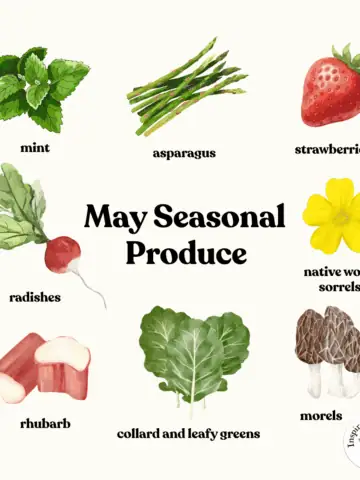
- Visit a local farmer's market. Support local growers and largely avoid microplastics by shopping at a local farmer's market. This is a great opportunity to learn more about the food you're buying, support organic (if available), and eat seasonally.
- Commit to a day of zero waste or low-waste cooking. I've linked to our guide to give you ideas for reducing your waste.
- Try a food scrap recipe, like this strawberry top simple syrup. Keep strawberry tops in a freezer-safe container in the freezer until ready to use.



💻 Technology & Books
- Watch a nature-themed documentary. I have quite a few still on my watch list, but one I'd recommend to get started is Kiss the Ground.
- Check out a physical DVD from your local library instead of streaming. Renting media (books, DVDs, etc.) helps keeps these items out of the landfill and supports a greener "sharing economy."
- Unplug unused appliances. Your appliances still pull power, even when turned off. While it might not be feasible to unplug everything you're not using, try to turn off lights when you aren't in the room and unplug what appliances you can when not in use. Every bit helps!
- Sign a petition supporting environmental causes. If you search for environmental petitions online, you'll find lots. Here are a few resources with multiple petitions available, but many more exist:
- Read a book about sustainability. Books are one of the best ways to both learn more about sustainability and gain a bit of inspiration. Here are some of my favorites (I recommend checking these out at your library, but I've included a few affiliate links in case you'd like your own):


🛍️ Shopping
- Visit a secondhand store instead of buying something new. Avoid fast fashion and cheaply-made home goods. Instead, find lasting and well-made pieces at local thrift or antique stores. Estate sales are great options, too!
- Sign up for your local Buy Nothing group. Keep items out of the landfill and find others who can give your pieces new life. If you're the gift recipient, of course, you save money and have a new treasure. This helps the environment, connects you with others in your community, and gives you an opportunity to participate in a sharing economy. Win-win-win. Learn more at the Buy Nothing Project website.
- Buy products made of natural materials. Do a little extra spring cleaning and audit the materials you have in your kitchen, bathroom, and closet (to name a few). For example, opt for a wood cutting board instead of plastic, shampoo bars instead of plastic bottles, and organic cotton or linen instead of synthetic clothing.
- Support EarthDay.org by purchasing some swag, which is also made from organic fibers. 😉

🌳 In the Community
- Volunteer at a local park. A clean up day is great for the park and getting to know your community better.
- Go for a hike or spend time in nature. Whether you put on your hiking boots and enjoy some trail time, or just want to relax in the backyard, getting outdoors is a wonderful way to relax, practice mindfulness, and spark inspiration. All things we need more of in this world.
- Visit a local nature center. Earth Day is kind of like the Superbowl for nature centers. Find a local natural history museum, dedicated nature center, or park and see what they have to offer. I guarantee you'll learn something new!
- Check with your local Riverkeeper organization (or Waterkeeper Alliance group) to see about volunteer opportunities that help protect our waterways.


❓ frequently asked questions
What are the three Rs of Earth Day?
Reduce, Reuse, and Recycle are commonly known as the "3 Rs" of sustainability. Earth Day is a great opportunity to apply these, but they're embraced by environmentalists throughout the year. Some versions add two more Rs to the list: Refuse, Reduce, Reuse, Recycle, and Rot to emphasize mindfulness and composting/circularity.
What to gift on Earth Day?
Believe it or not, Earth Day is a great opportunity to gift sustainable goodies to your loved ones. It's best to avoid cheap plastics or fast fashion that will eventually get tossed. Instead, give a DIY gift, time spent together, or items made from natural materials...like wooden cutting boards, cast iron cookware, garden tools, or clothes made from natural fibers. You'd even be surprised how many gently or new items can be found at thrift stores or estate sales.
I'd love to hear how you celebrate Earth Day and weave sustainability into your daily life. Or, what's a sustainability challenge you need help facing? Leave a comment below and let's celebrate together!