May Seasonal Produce (plus overlooked native options!)
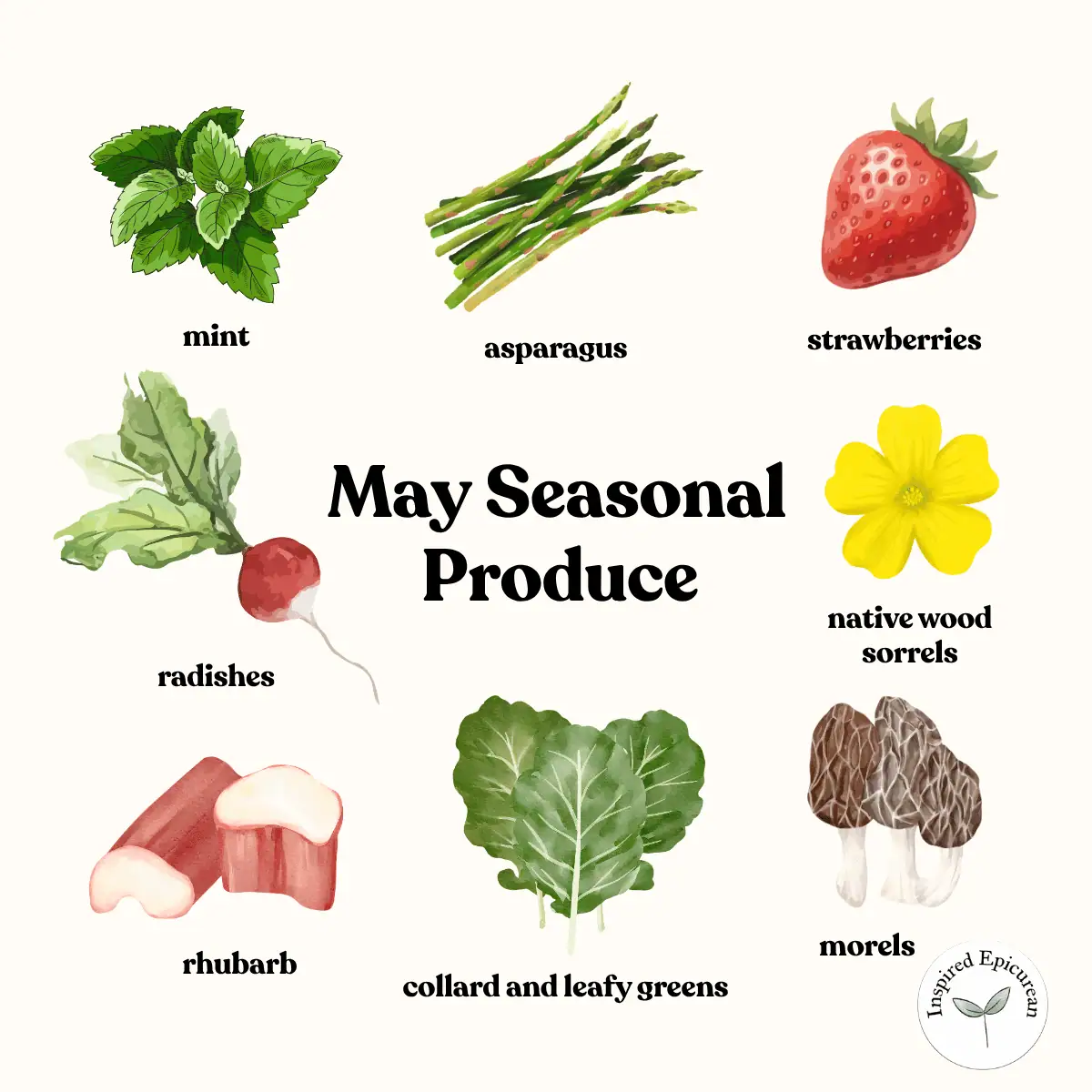
What's in season for May? If you live in the U.S., strawberries, leafy greens, rhubarb, asparagus, mint, parsley, chives, and cilantro are broadly considered in season. However, we're getting more specific in this guide, so you can plan a seasonal May menu based on your region. We cover everything from fruits and vegetables to some other categories you may be overlooking!
Would you like to save this?
Disclosure: Some links below are affiliate links. This means that, at zero cost to you, I will earn an affiliate commission if you click through the link and finalize a purchase. As an Amazon Associate, I earn from qualifying purchases.
Jump to:
- ✨ Why this guide goes beyond just fruits and veggies
- ‼️ In case you decide to forage
- Southeast
- Northeast
- Midwest
- Northwest
- Southwest
- West (California and Coastal Regions)
- Seasonal Produce Recipes for May
- 📝 A few notes on the popular May produce options
- ❓ Common questions
- 💻 Additional resources to help you determine what's in season
Ah, May. Time to bring out the spring farmer's markets, vibrant baked goods, and a renewed love of all things light and bright (especially before swimsuit season 😉). What I love about May produce are the sweet-tart flavors, pops of color, and abundance of edible plants. This is a fantastic season to embrace seasonality and support sustainability!
Below, I'm providing a list of fruits, vegetables, mushrooms, and native edible plants by five primary regions in the United States. Keep in mind that seasonality varies by ecoregion, so be sure to check your local area (farmer's markets and extension offices, for example) to confirm seasonality.
💡 Remember, seasonality is important for both the planet and your taste buds. When you buy something in season, the idea is you can buy locally and reduce shipping waste, while also enjoying the food when its most flavorful.
✨ Why this guide goes beyond just fruits and veggies
Fruits and vegetables are typically what we think of when we shop for produce. And, that's great. This guide takes it a step further, and adds three categories you don't typically see: mushrooms, native edible plants, and herbs.
Mushrooms are widely popular, but they also have peak seasons and are ideally bought locally. Unfortunately, they have are sensitive to transport and have a short shelf life, which I'm sure you've discovered if you let a batch sit in your fridge a little too long.
Herbs are similarly sensitive. It's great to capture them at peak freshness and are great for home gardens or buying locally.
Native edible plants are less known, but are a creative opportunity to help the environment and embrace unique, delicious flavor! Think, muscadine wine or huckleberry pie. It's a whole new (old) world of opportunity! For those who love permaculture, consider some native edible options for the garden.
Produce notes are included below, but not repeated throughout the guide unless a region-specific notation is helpful.
‼️ In case you decide to forage
I love highlighting native and foraged ingredients, but it's important to forage responsibly. Only harvest plants and mushrooms you can confidently identify, as some have toxic lookalikes. When in doubt, it’s best to leave it behind or purchase from a trusted local source. Also, be mindful of where and how much you harvest to help protect local ecosystems.
Southeast
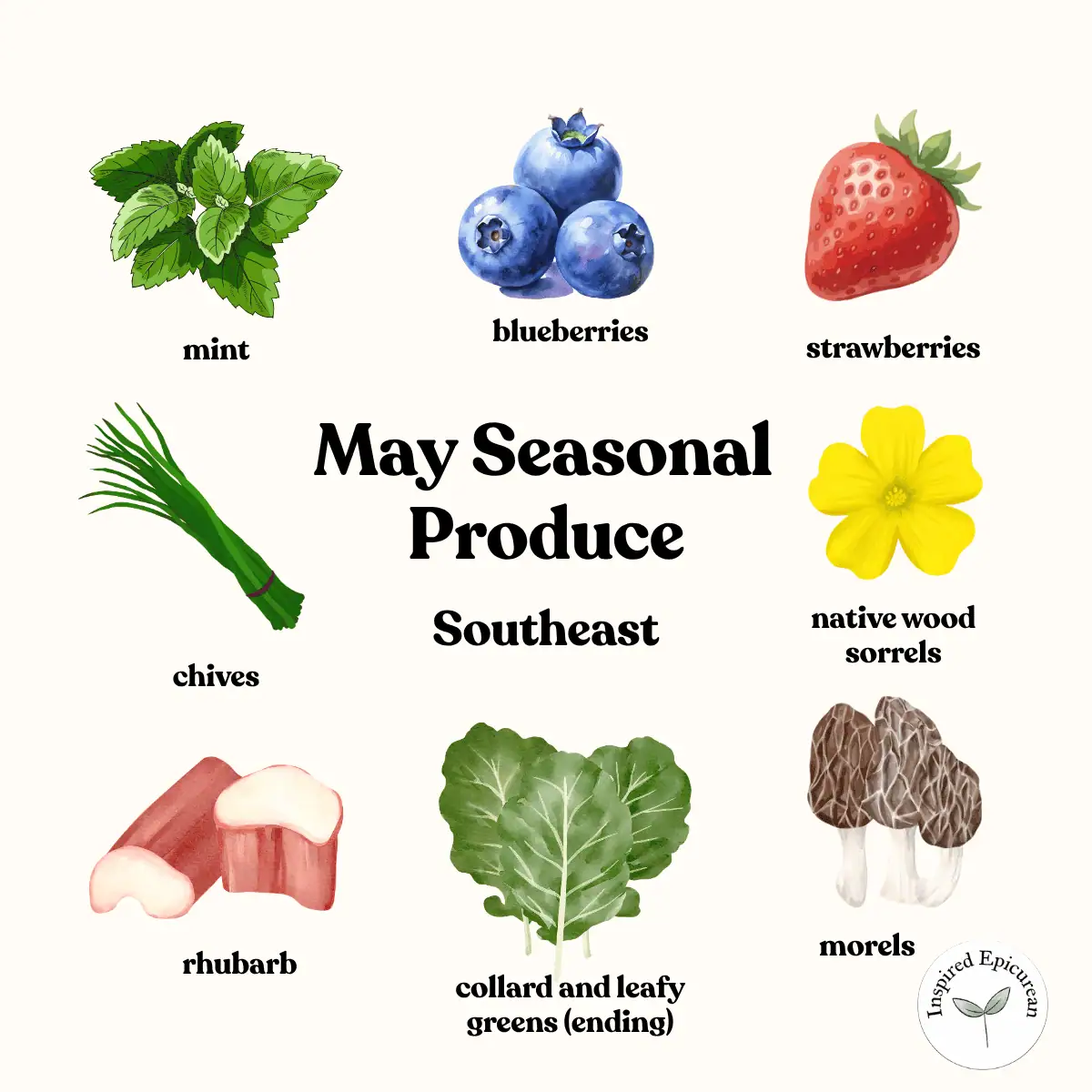
The Southeast is one of the first regions to start warming, so some produce enters seasonality sooner than others.
Fruits
- Strawberries. Strawberries have a short shelf life and are best picked ripe. If you can grow your own, or source them locally, you'll enjoy these berries at peak sweetness and juiciness. Wild strawberries are native to the Southeast.
- Blueberries (early). The peak season window is late May through June with Florida starting a little earlier than other southern states. Native options are available in many areas.
- Peaches (early). This isn't peak season for peaches quite yet, but for areas farther south, mid-May starts their in-season availability. It's usually best to wait until June or July for the juiciest experience.
- Blackberries (late May). These caneberries will bloom soon and begin producing berries closer to the end of the month. Peak season is June and July. However, now is the best time to harvest young blackberry leaves for blackberry leaf tea! Native options are available in many areas.
- Rhubarb (late). A vegetable sold as a fruit, the window is closing to enjoy at peak seasonality. Sourcing rhubarb from field-grown crops instead of greenhouses should offer a deeper flavor and color.1
- Watermelon (early). Watermelon will be in season a little earlier in warmer climates like Florida and become in season late May.
Vegetables
- Summer squash (starting). Summer squash is a little more tender than its winter squash counterpart. The skin is thinner the flavor is sweetest when harvested young.
- Cucumbers (starting). If you can buy from a local supplier, check if they add a waxy coating to the skin. Keep in mind that the coating may not technically be vegan friendly or simply something you want to ingest. While you can peel the cucumber and try to wash off a waxy coating, you may find it best to buy locally from a farmer that doesn't need to apply the coating OR grow your own.
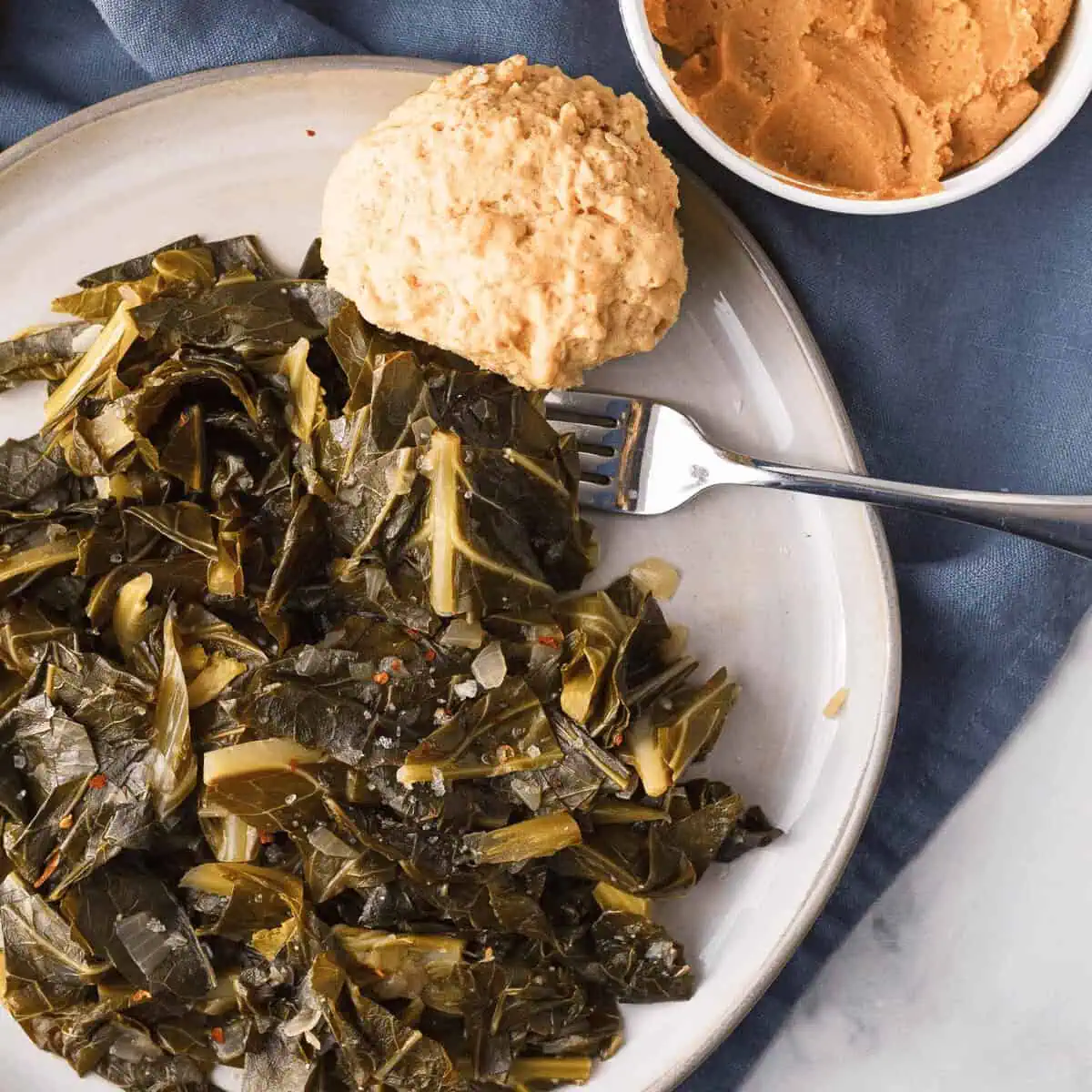
- Leafy greens: Collard, mustard, turnip greens (ending). Greens love cooler weather, and that window rapidly closes in May in the South. There's still time to enjoy some of the last harvests, like this miso collard greens dish.
- Cabbage. Prefers cooler weather, so May is closing the season. Heading cabbages should store well for several months after harvest.
- Green beans (early). Green beans are popular, but quite sensitive, losing their form and flavor soon after harvest. Here's another opportunity to buy locally or grow your own!
- Vidalia onions. Please note this is regional produce. Vidalia onions are only grown in a 20-county region in Georgia.
Mushrooms
- Morels (early May in higher elevations). Less available in the South compared to northern regions, and May is pretty late in the season, especially the farther south you travel. Native options are available in many areas.
- Chanterelles (starting late May in some areas). Peak season is summer, but late May kicks off Chanterelle season. These mushrooms are more abundant than morels in the Southeast. Native options are available in many areas.
Native Edible Plants
- Persimmon leaves (for tea). The fruit won't ripen until fall, but young leaves are ideal for those planning to make persimmon tea, according to this article available via the National Library of Medicine.
- Field chickweed. Not to be mistaken by an invasive, European version most common throughout the U.S. The native variety is edible and can be added as a green to salads, sandwiches, wraps, smoothies, and more.
- Common yellow wood sorrel and violet wood sorrel (sour, lemony flavor). Also known as "nature's Skittles," all parts of the plant are edible. Consider using it as a garnish, steeped for tea, or added to smoothies.
- Blackberry leaves/early fruit (late May in some areas). Young leaves are preferred for flavor and nutrients.
- Muscadine grape leaves. Fruit is not yet available, but the leaves can be harvested for a variety of applications, such as a substitute for grape leaves and steeped for tea.
Herbs
- Mint. When is mint not in season? Kidding...sort of. Mint prefers warmer weather, so its season is ramping up in May. If growing yourself, it's best to keep it in a container to prevent invading other parts of your yard.
- Cilantro. Prefers cooler weather, so May is the last opportunity to enjoy before the warmer weather causes it to go to seed.
- Dill. More of a spring and autumn herb, dill will become bitter in the warmer temperatures of summer.
- Parsley. This is a little late for parsley, which also prefers cooler weather, so May is the last window to enjoy before heat rises.
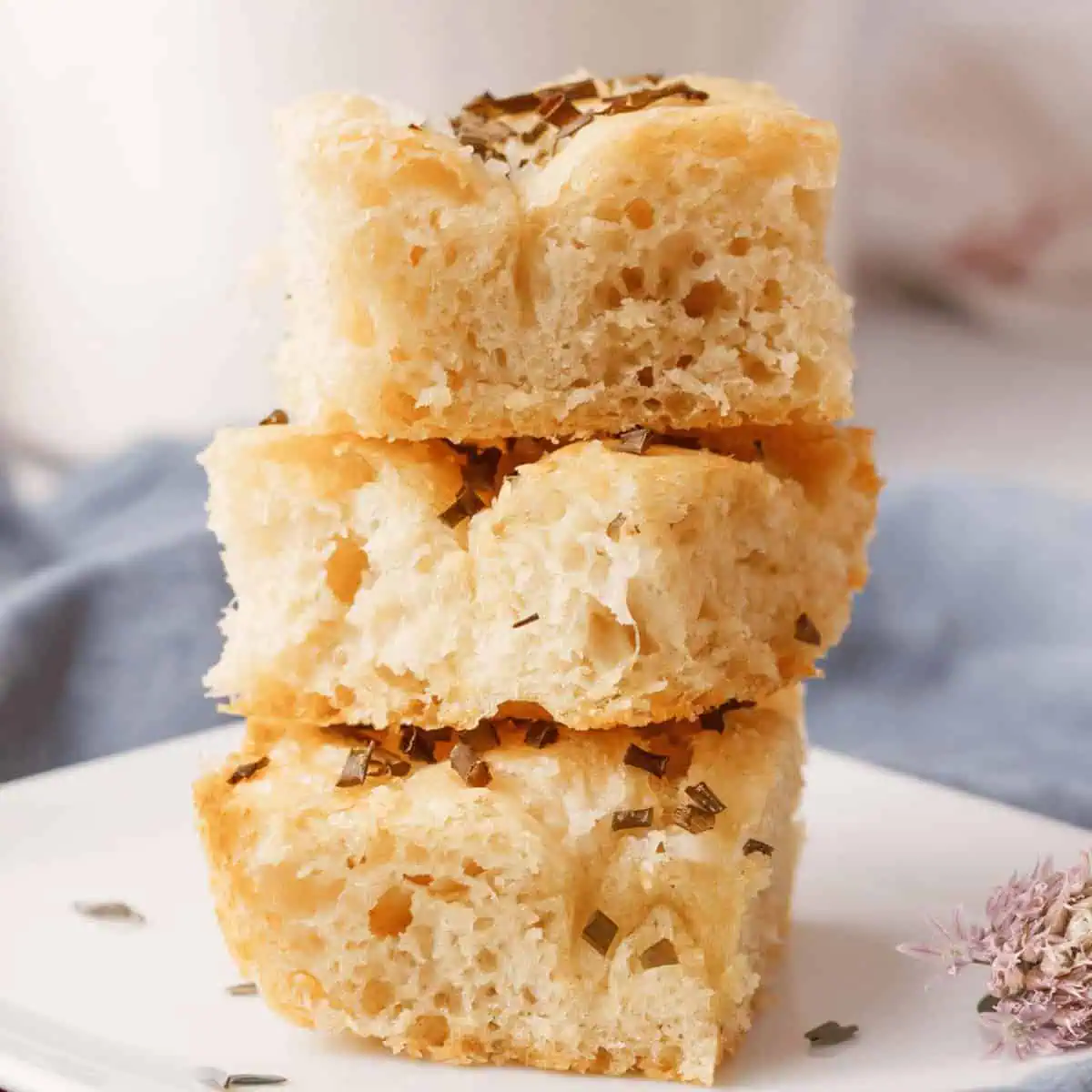
- Chives. Again, when are chives not in season in the South? They do well with cooler temperatures, but can withstand some heat better than other herbs. Cut off flowers to prevent them from bolting. Add them to almost any dish that would benefit from a light, onion flavor, like this chive focaccia bread.
Northeast
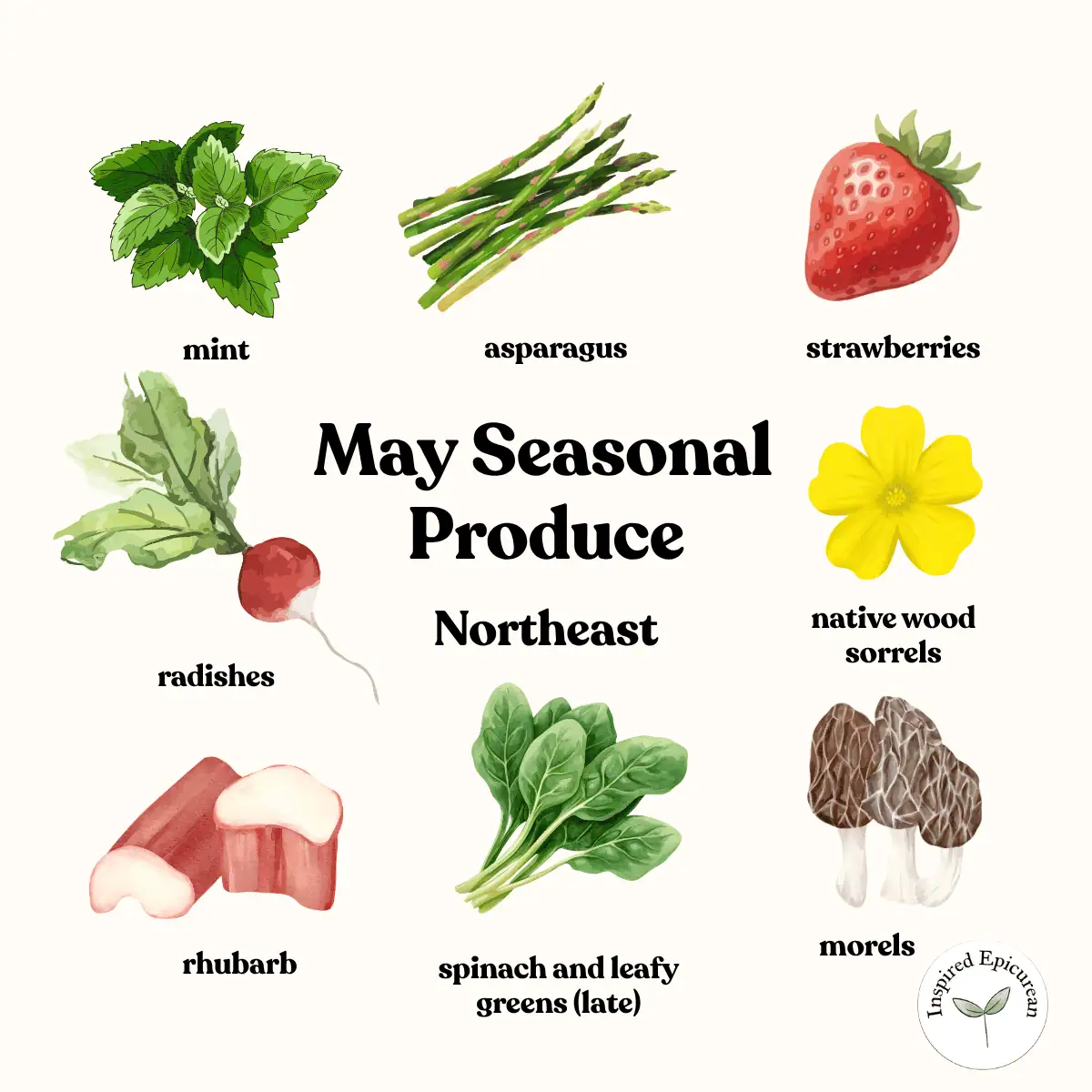
Cool season perennials are still in season while slowly starting the transition to berry season and warmer weather produce (later in the month).
Fruits
- Strawberries (late May). In season from late May to early July. Native wild strawberries are native to the Northeast.
Vegetables
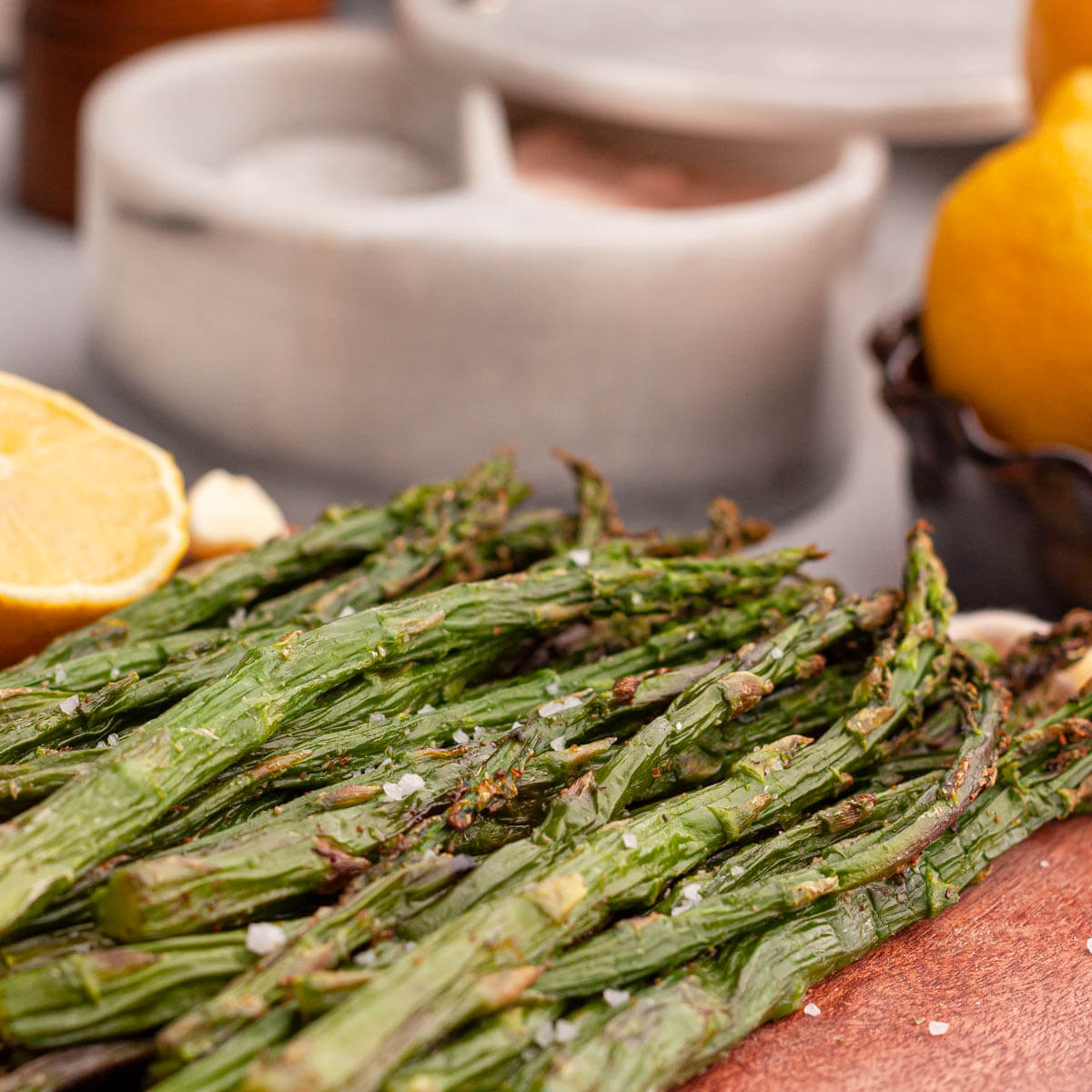
- Asparagus. This cool-season perennial can be enjoyed a little later in northern climates. It's particularly susceptible to decline after harvest, losing sweetness, flavor, and texture. Best to purchase locally or grow your own to get asparagus at its best. Enjoy sautéed or even air fried, like our air fryer frozen asparagus.
- Spinach. Spinach also benefits from cooler weather, so is in season until early summer. As with any leafy green, its recommended to enjoy as soon after harvest as possible.
- Lettuce, arugula. See above.
- Radishes. Radishes will become more woody in summer temperatures, so are great to enjoy while the weather is still cool through late spring. You're likely most familiar with eating radishes raw, but they can also be cooked or pickled. One of my favorite uses is in sautéed radish and green pea pasta!
- Rhubarb. In season from mid-May to early July.
Mushrooms
- Morels (peak). In season from mid-April to mid-June. Native options are available in many areas.
- Shiitake. Shiitake mushrooms are in season May through November.
- Dryad’s saddle (also known as pheasant back). These beauties grow in the same habitat as morels, so follow a similar growing season...May through June. Native options are available in many areas.
Native Edible Plants
- Ramps (wild leeks). A popular early spring allium, ramps offer a garlic-onion flavor that can be used as garnish, in pestos, compounded into vegan butter, and more. It is recommended to primarily use the leaves, allowing the plant to mature (don't remove the bulb) and check any local instructions from your area. Ramp harvesting is illegal in some areas, according to the Outdoor Adventure Sampler.
- Fiddlehead ferns. Use caution when consuming fiddleheads, as improper storage and preparation can cause food poisoning. Many will debate whether or not to eat them raw, but that isn't exercising caution. After cooking, they can be added to salads, soups, breads, and more. The Canadian government has a helpful resource to use for fiddlehead preparation.
- American stinging nettle. Blanche or dry stinging nettle to make it safe for consumption. Use it similar to a leafy green as well as a tea.
- Wild violets. Avoid the roots, but the remainder of the plant is great for a number of uses. Here's just a sample: garnish, candied petals, leafy greens, soup thickener, simple syrup, teas, infusions, and more!
Herbs
- Chives. In season until fall.
- Mint. In season May through August.
- Parsley. In season May through November.
- Common yellow wood sorrel and violet wood sorrel (sour, lemony flavor). In season May through October. These are native to the Northeast.
Midwest
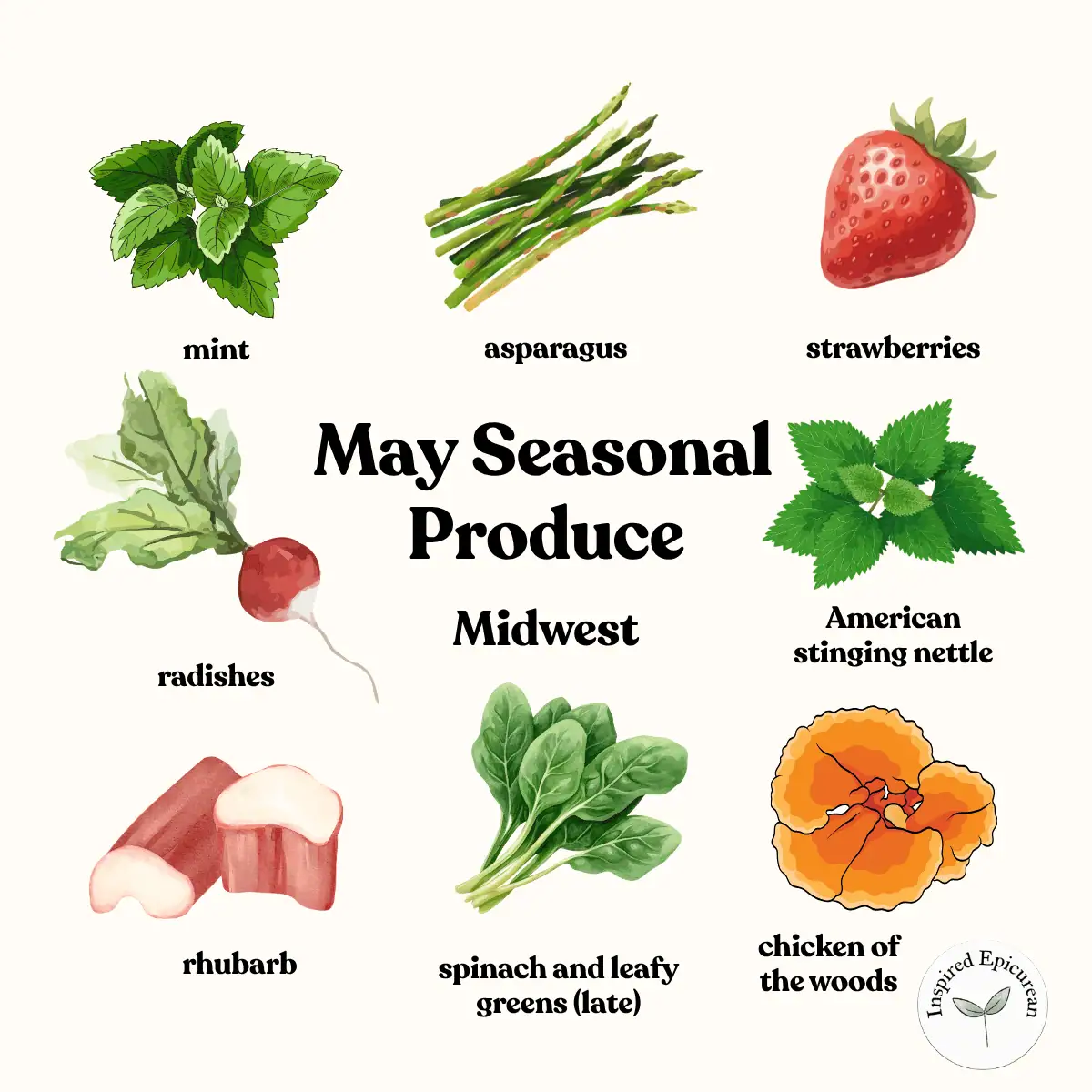
Similar to the Northeast, the Midwest is in a transition between cool season perennials, vegetables, and herbs, with a slow transition to strawberries later in the month.
Fruits
- Strawberries (late May). In season late May through early July. Wild strawberries are native to the Midwest.
Vegetables
- Asparagus. In season late April through mid-June.
- Leafy greens (spinach, lettuce). In season April through June and September through November.
- Radishes. In season May through October.
- Rhubarb. In season from April to June.
- Broccoli (early). In season from late May to October. Ethylene exposure makes broccoli a very sensitive vegetable to transport, so prioritize buying locally or growing your own.
Mushrooms
- Morels (peak). In season April through mid-May. Native options are available in many areas.
- Chicken of the woods (late May). One of the more popular mushroom varieties, Chicken of the woods' season runs from late May to October. If you'd like to a little CoTW inspiration, check out this video from Gaz Oakley on YouTube. Native options are available in many areas.
Native Edible Plants
- Ramps. In season between late March and early May.
- Lamb’s quarters. Best when the young leaves are eaten, from April to June. You may also hear this plant called wild spinach. Get creative with uses and incorporate it in everything from salads to pestos.
- Prairie violets. Also known as Nuttall's violet, only the leaves and flowers are edible. Consider using for tea, jams, syrups, and more! These are in season April through June.
- American stinging nettles. In season from late May to October. See the above section, Northeast, for ideas on how to eat.
Herbs
- Chives. In season May through August, though hearty and possibl to grow throughout the year in the Midwest.
- Mint. In season May through October, but similar to the chive plant with an extended growing season.
- Parsley. Largely available May through September.
Northwest
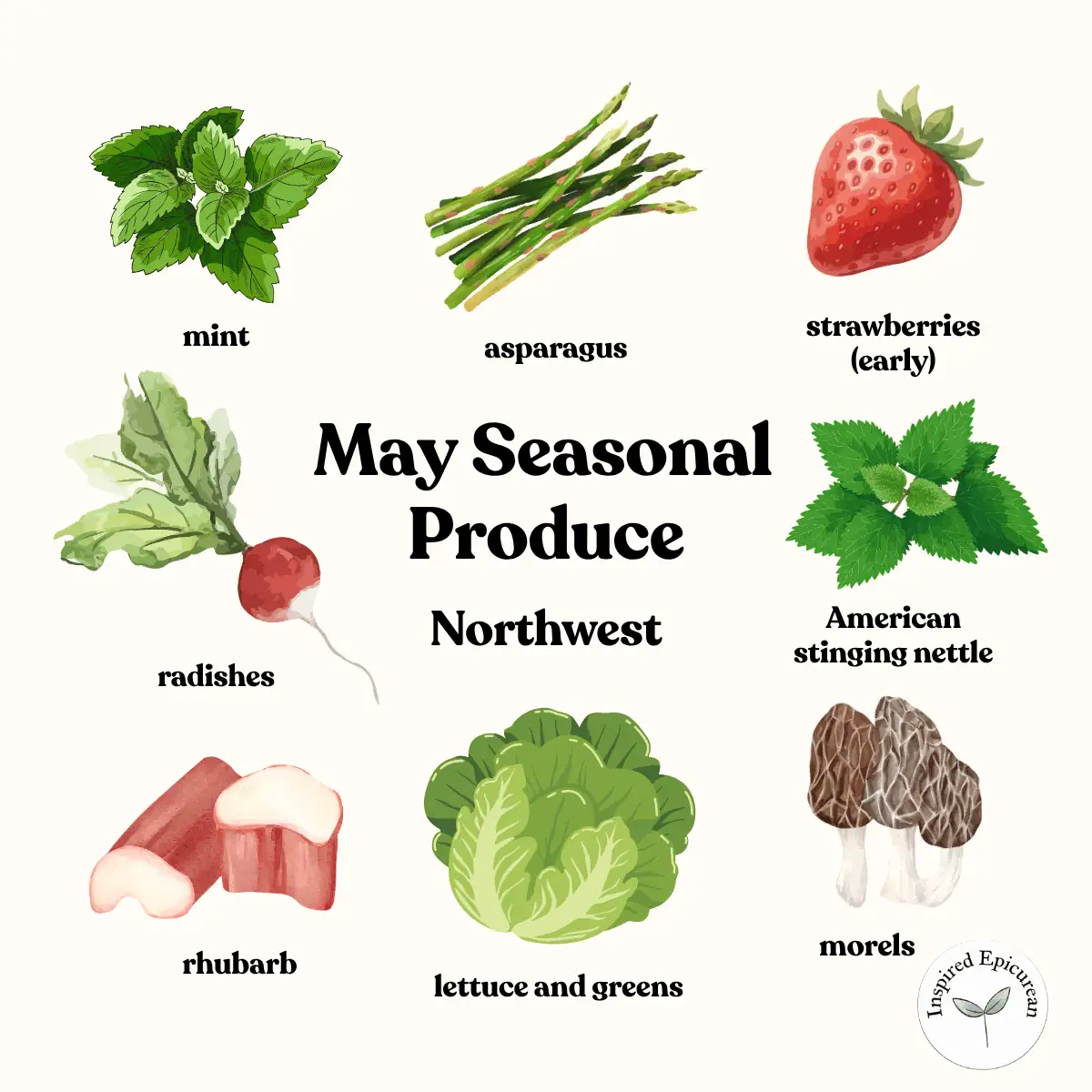
Mushrooms and cool season herbs and vegetables are still very much in season in the Pacific Northwest. Late May will start a transition to early strawberries. Leafy greens, cooler vegetables, and mushrooms are most in season.
Fruits
- Strawberries (late May). In season late May through early July. Wild strawberries are native to the Northeast.
Vegetables
- Asparagus. In season from April to June.
- Lettuce, greens. Broadly, in season from May through November.
- Radishes. In season May through November.
- Rhubarb. In season from late March to early June.
Mushrooms
- Morels. In season in May. Native options are available in many areas.
- Oyster mushrooms. Depending on the type, these can be in season from mid-April through September. Native options are available in many areas, except the golden oyster mushroom (invasive).
- Spring boletes. In season from May to June and is a popular culinary mushroom. Sauté and add to salads, pastas, and more!
Native Edible Plants
- Miner’s lettuce. Typically available from December until early June. Use the greens as you would others; in a salad, pestos, or stirred into pasta dishes.
Herbs
- Chives. In season from mid-April through fall.
- Parsley. In season from May to December.
- Cilantro. In season in spring and fall to prevent bolting in the summer heat.
- Mint. In season from May to December.
Southwest
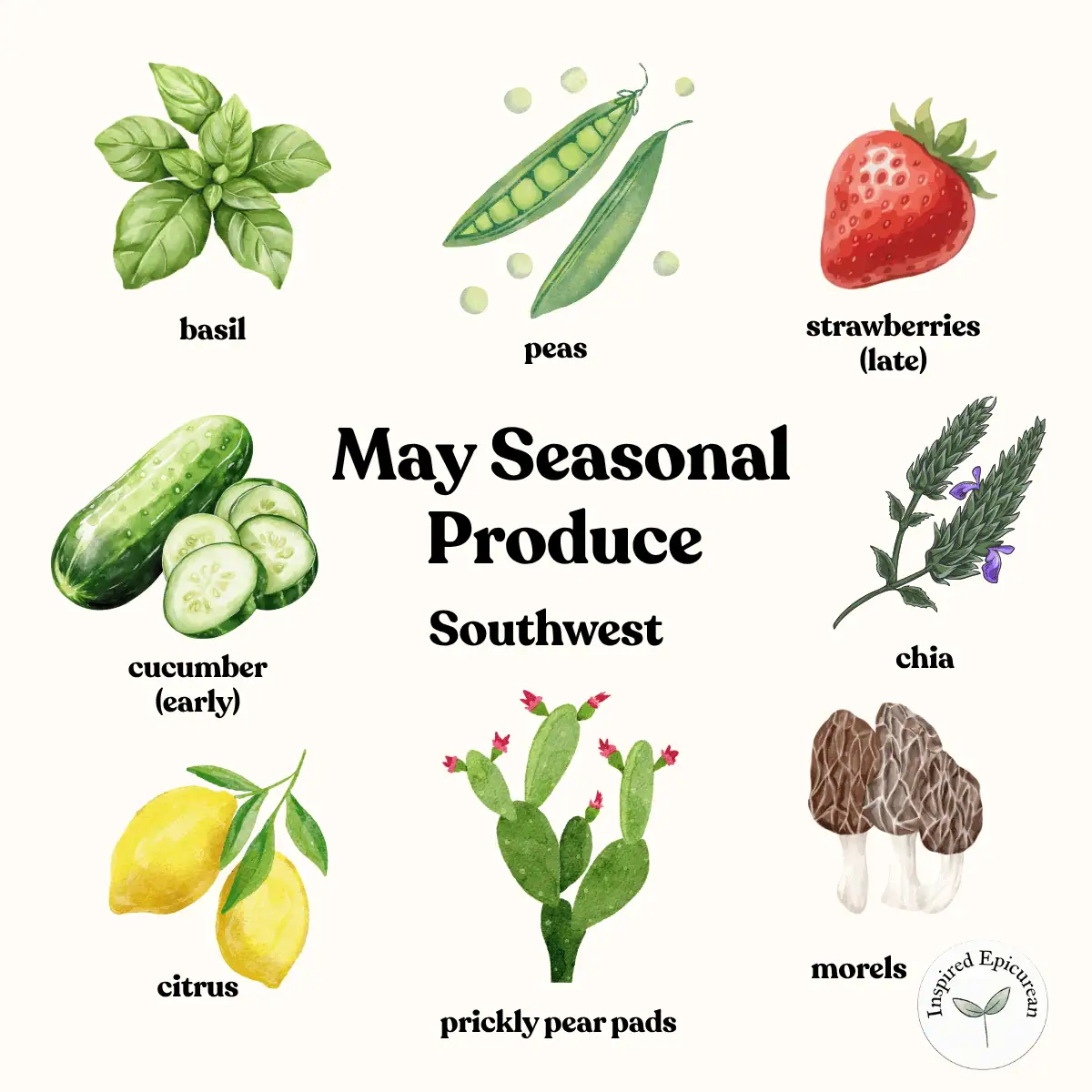
The Southwest region varies greatly, so some areas will transition to warmer weather produce sooner than others. Strawberries are actually later in the season here, while cucumbers are early. Mushrooms, citrus, and some warmer weather herbs like basil are in season in parts of the region.
Fruits
- Strawberries. In season November through May. Several species are native to the Northwest.
- Citrus (late season). Broadly, citrus is in season from December to May, including everything from lemons to grapefruits. (Seems like a good time to try some lemon poppy seed pancakes, if you ask me!)
Vegetables
- Peas. Peas prefer cool weather, so May is nearing the end of its seasonality in the Southwest. Peas are so common, I'm sure you have your own favorite use for them!
- Early cucumbers. Cucumber harvests will vary depending on where in the Southwest you're located. In Arizona, cucumbers can almost be grown year-round, while New Mexico, for example won't really come into season until June.
Mushrooms
- Morels (mountain regions, limited). After snowmelt starting in mid-March to mid-April, some morels will appear. The greater chances are in the mountain regions. Native options are available in many areas.
- Desert shaggy mane (after rain). You should be able to harvest shaggy manes throughout spring. With a delicate flavor, avoid adding them to heavy dishes.
Native Edible Plants
- Prickly pear pads (also known as nopales). Spring is the ideal time to harvest before the pads become too large.
- Chia. In season March through May. Chia seeds are edible, as well as young leaves before they become bitter.
Herbs
- Early season: cilantro, dill, parsley
- Heat-tolerant: basil, oregano, thyme
- Native: epazote, desert sage
West (California and Coastal Regions)
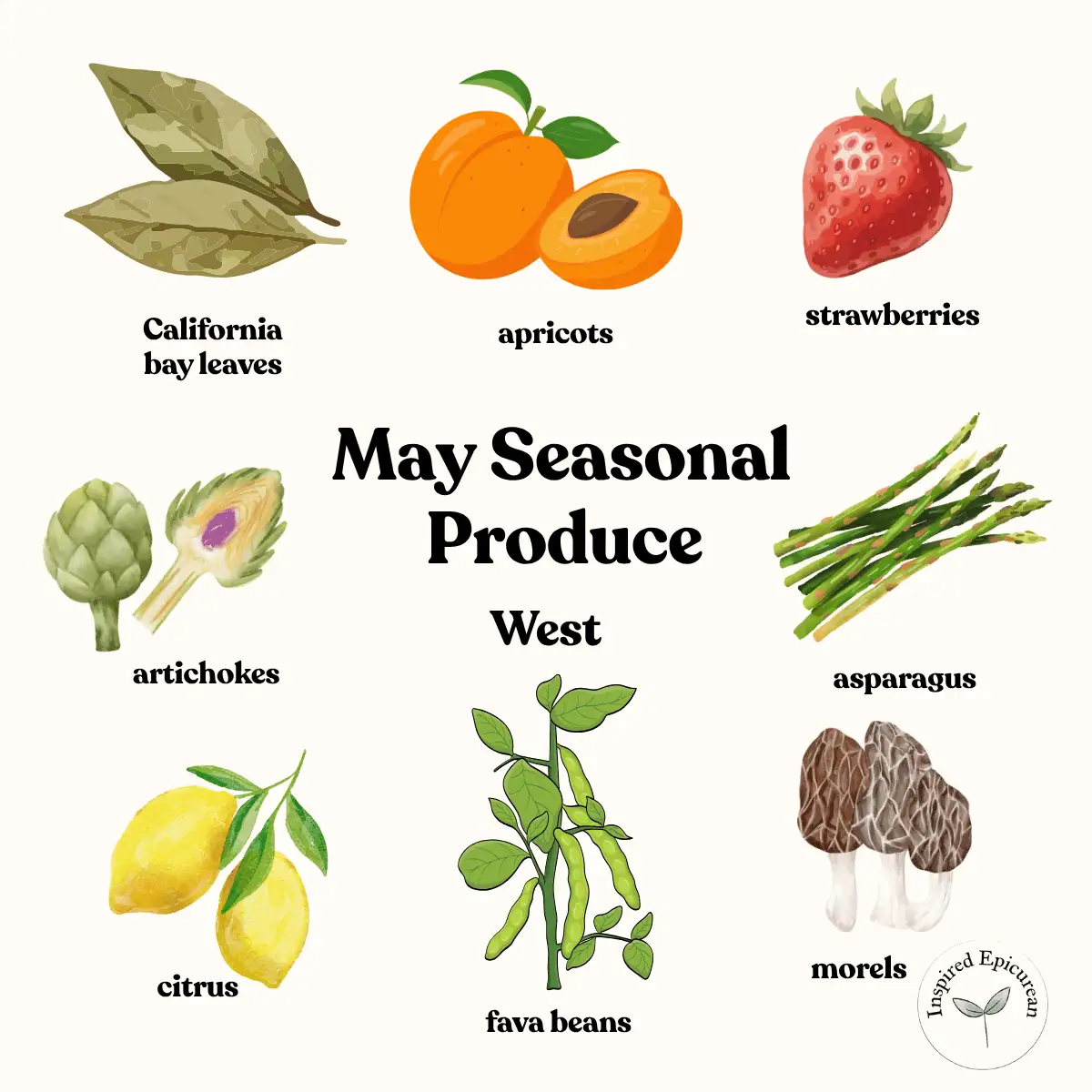
The produce listed here is largely confined to California, with some small overlap along the coast of the Pacific Northwest. Even within California seasonality can vary. A larger variety of fruit, herbs, and vegetables are in season in May.
Fruits
- Strawberries. Now is the time to enjoy their peak season, which extends into June. Several species are native to the region.
- Cherries (early varieties begin). While the majority of the country needs to wait until summer for cherry season, California's cherry season runs April through July. Now is the time for some cherry mini pancakes! Some native versions exist that differ from commercially-grown varieties.
- Apricots. Primarily available in May in California, other regions need to wait a bit longer.
- Loquats. May is the heart of loquat season, only available in California in the western region. Loquats keep well, can be eaten fresh, and made into jams.
- Citrus (late season—lemons, oranges lingering). Lemons are practically available year-round in California and oranges are still in season, depending on your location in the state.
Vegetables
- Artichokes. In season March through June and September through December, largely.
- Asparagus. In season until June along the West Coast...not just California!
- Lettuce, arugula, salad greens. With the exception of Southern California, lettuce and leafy greens are entering their season, including May.
- Fava beans. Though not grown in Southern California, May is the heart of fava bean season along the West Coast.
- Peas. Peas are coming OUT of season in Southern California, but entering their season in Northern California and will continue to progress northward along the West Coast throughout the summer.
- Broccoli, cauliflower (early). Broccoli and cauliflower are starting their season in May, with their peak late summer.
- Early zucchini (late May). Zucchini comes into season late May in Southern California and will expand up the West Coast through the summer.
Mushrooms
- Morels (especially inland/mountain). Morels are solidly in season in Washington state and Oregon. Several species are native to the region.
- Spring boletes. Largely in season May to June. Native to the region.
Native Edible Plants
- California bay leaves. Native California bay leaves are stronger than traditional, Turkish bay leaves. Keep that in mind when cooking and aim for half the amount called for when cooking. Native to the region.
Herbs
- Cool-season (late): cilantro, parsley, chives, dill
- Warm-season (early): basil, thyme, oregano
- Native: yerba buena, California bay, wild fennel
- Edible flowers: chive blossoms, thyme flowers
Seasonal Produce Recipes for May
Food Scrap Recipes
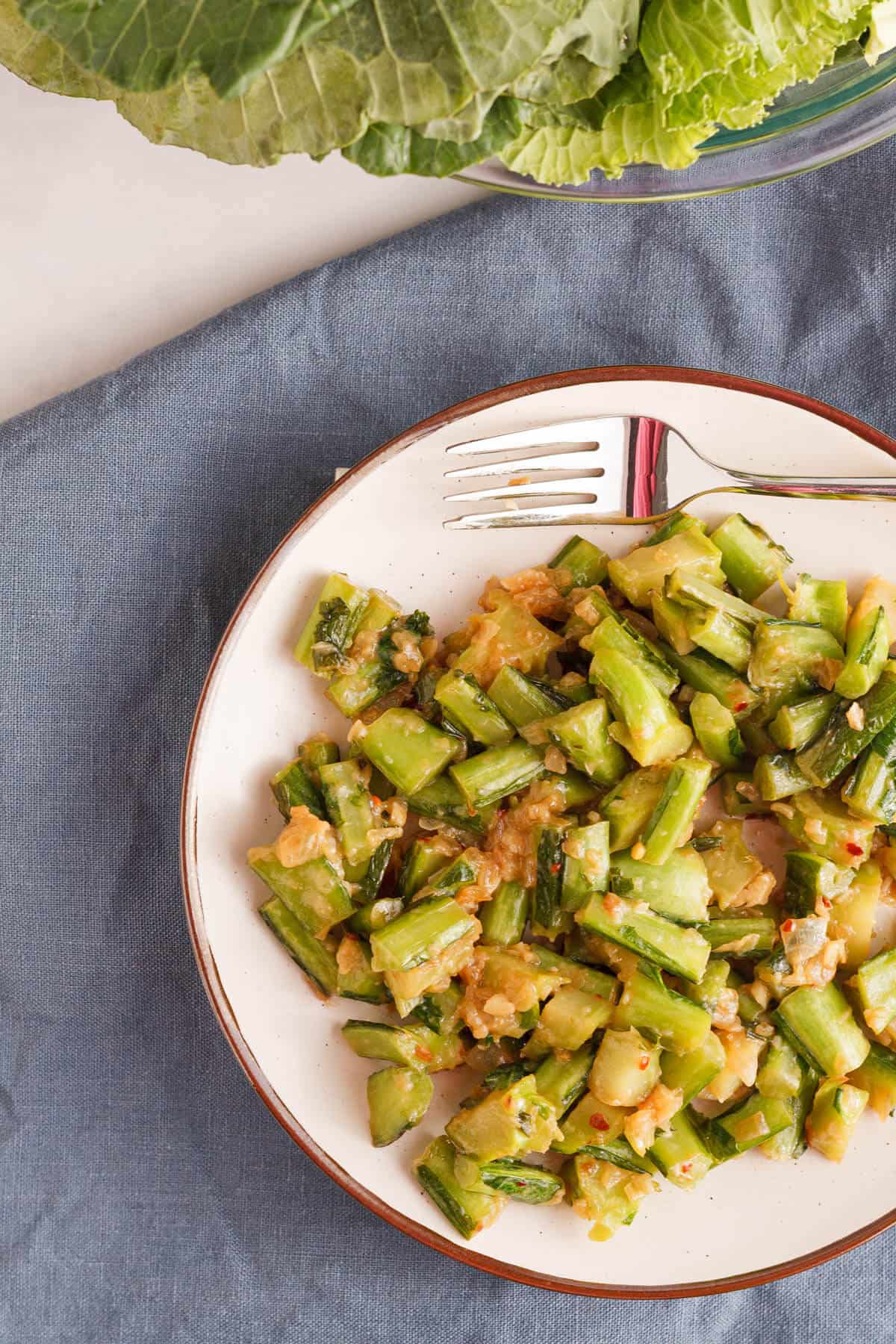
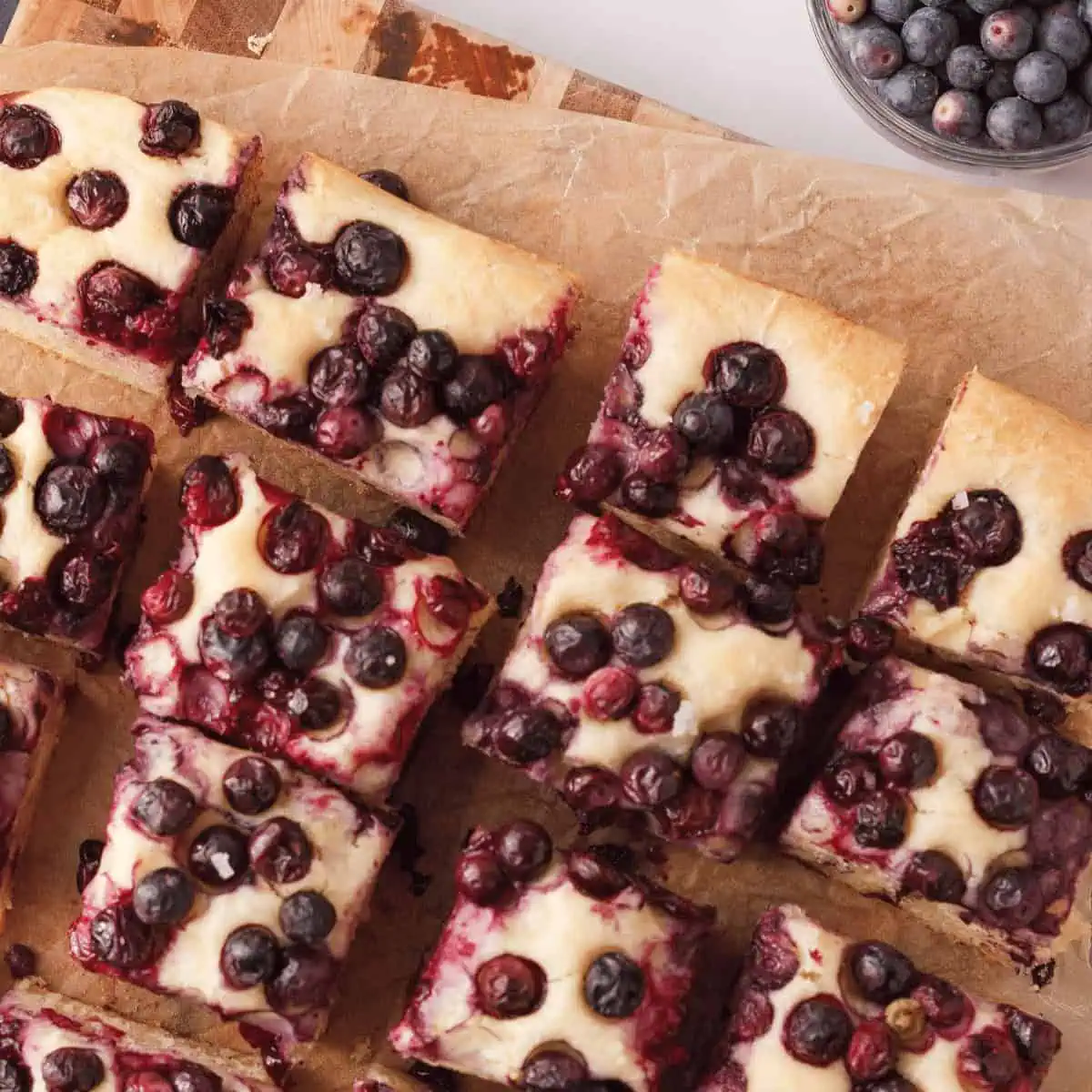
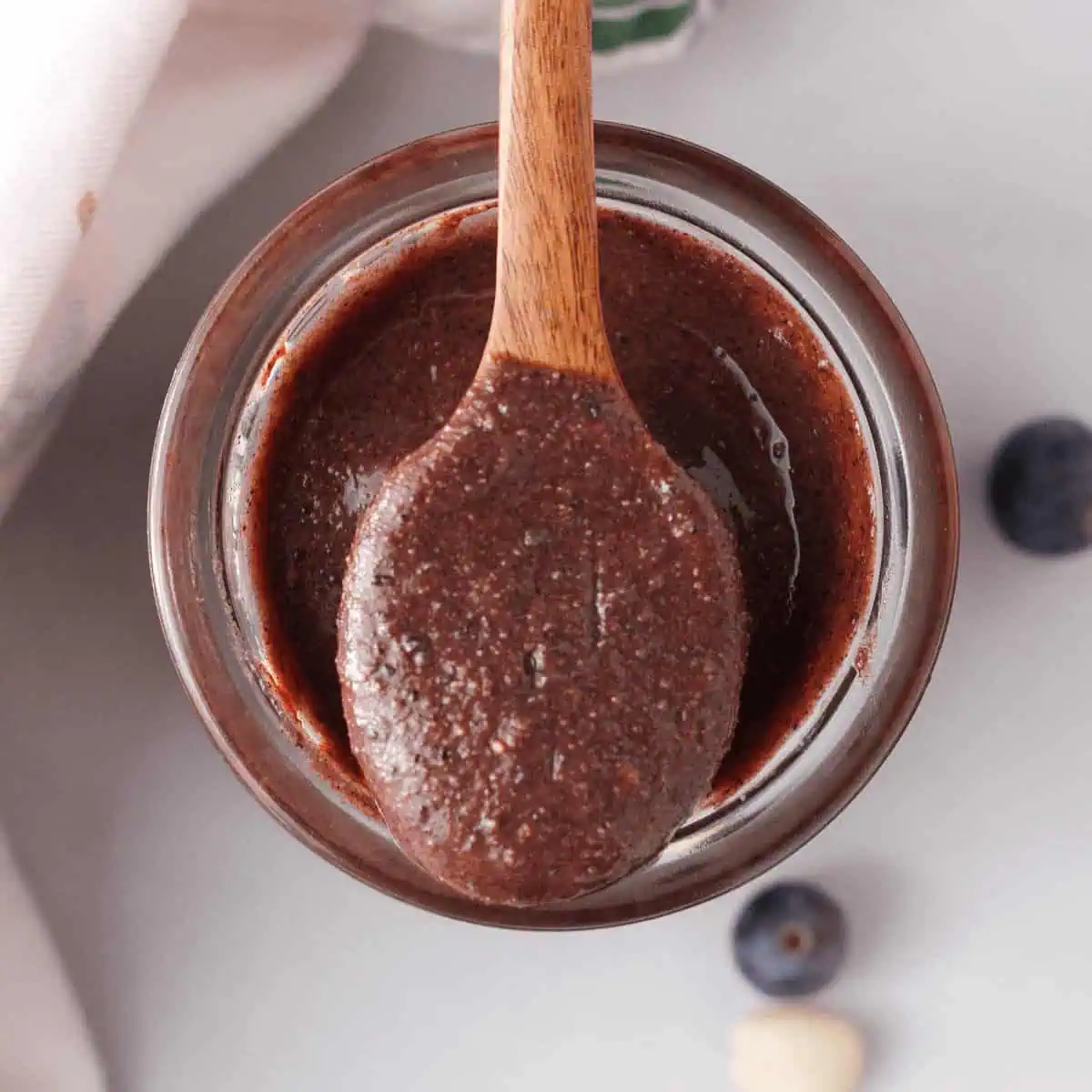
Blueberry Recipes


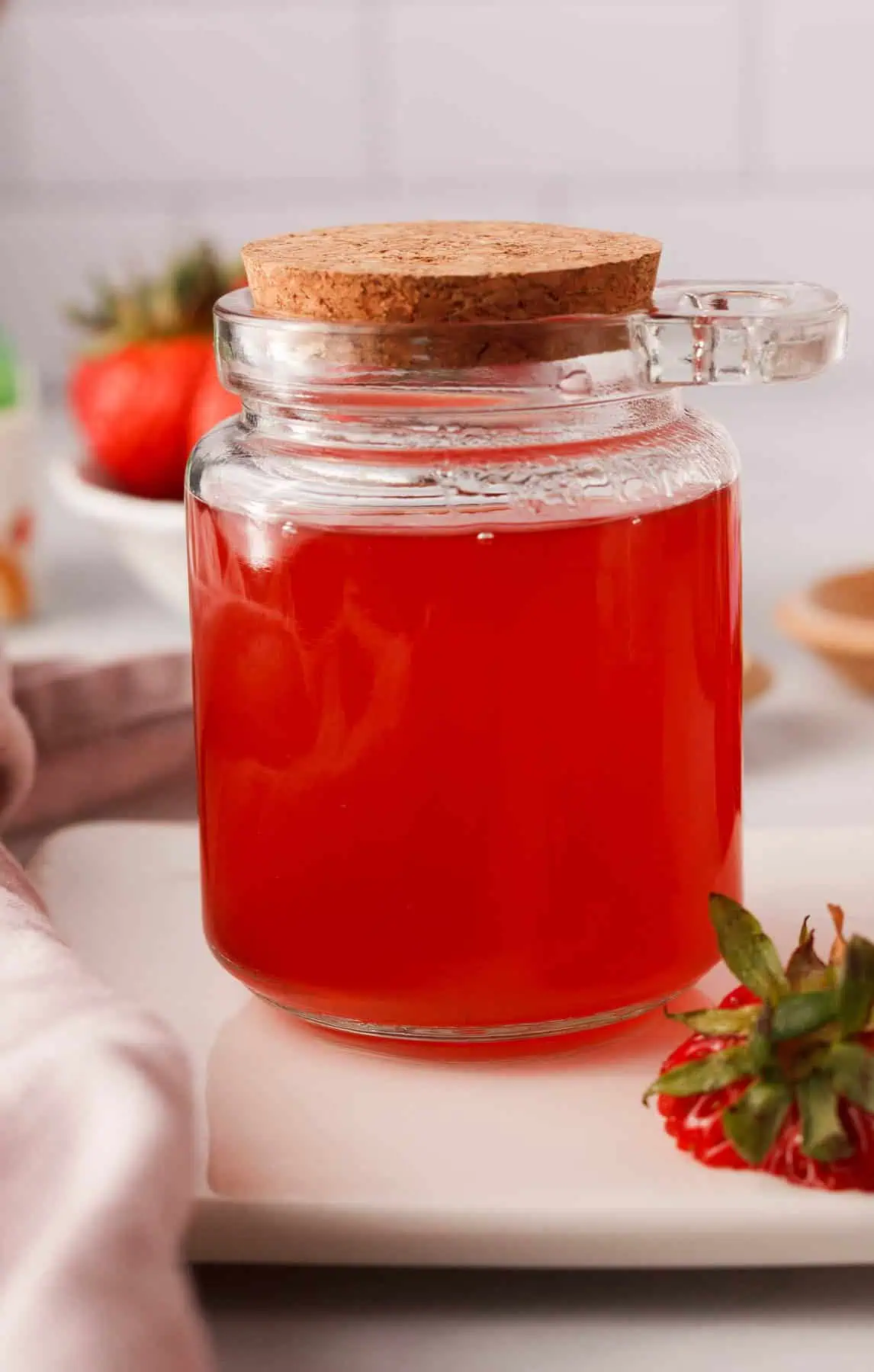
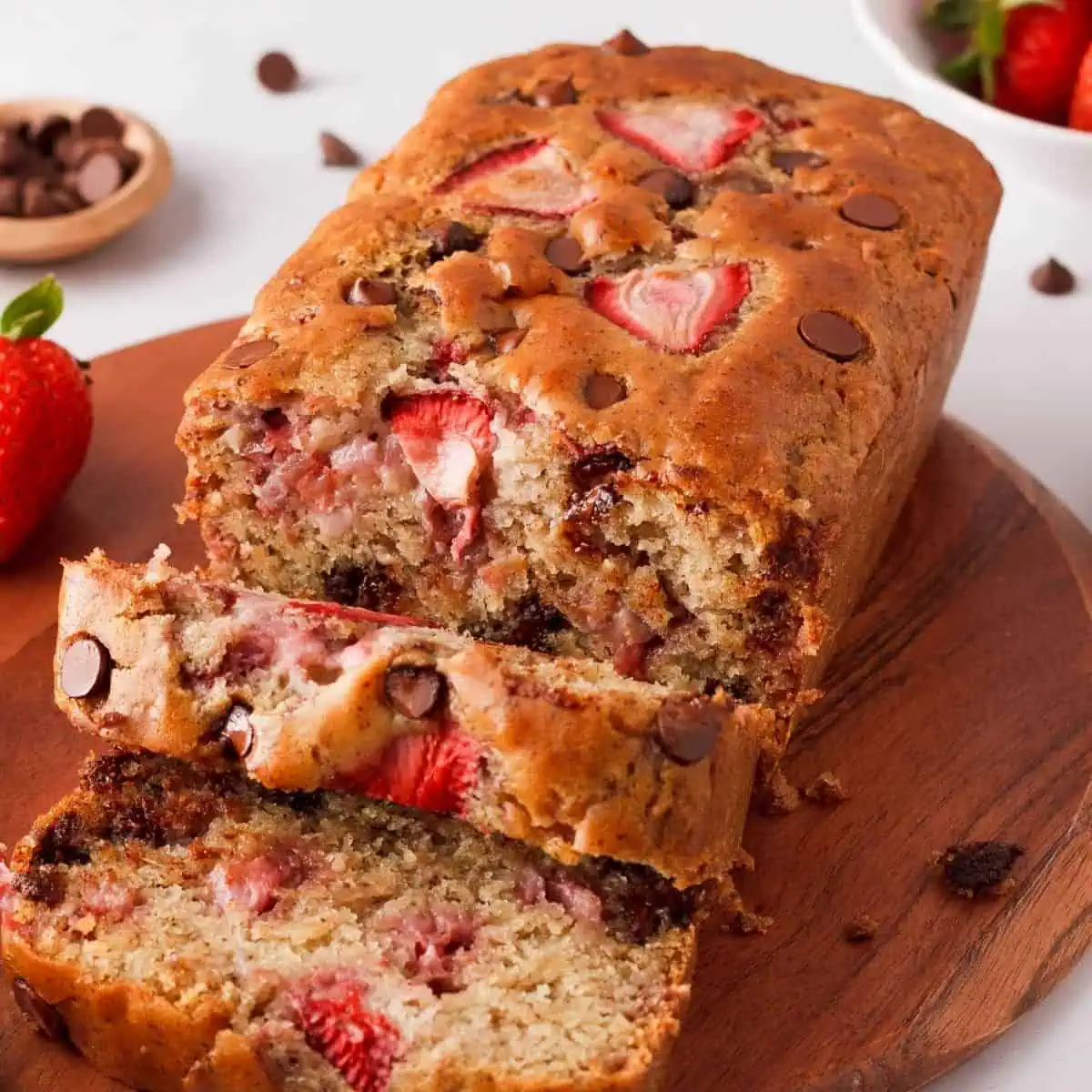
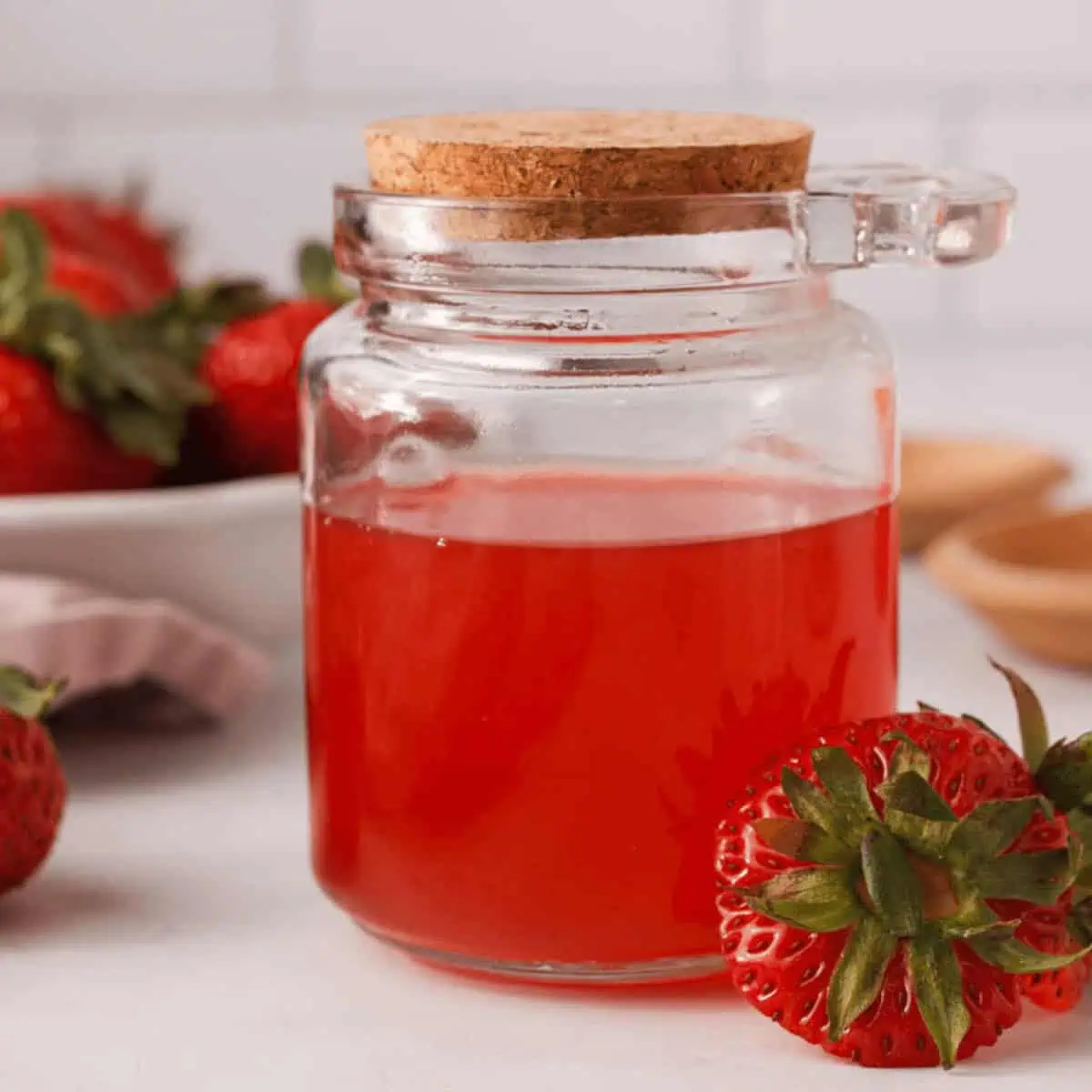
Strawberry Recipes

May seasonal side dish ideas
📝 A few notes on the popular May produce options
Strawberries are considered a nonclimacteric fruit0, which means they don't continue to ripen (in the traditional sense) after they're picked from the parent plant. While there may be some changes to their appearance, it's not guaranteed and they won't get sweeter. You may see some controversy about this online. Bottom line is it's best to pick them when they're ripe.
Always note the best storage options for your produce, so you lessen the chance of it spoiling. Don't forget to find ways to use the scraps of edible portions of the produce instead of tossing in the garbage. You can learn more in our guide to low-waste cooking. If you have the opportunity to grow your own, make sure the produce is compatible with your area and enjoy the ultimate in locally-grown food! 😉
If you aren't prepared to eat the produce immediately, consider freezing hearty items (not leafy greens unless you'll use them for a smoothie). Fruits, like blueberries, can also be dried or dehydrated for longer-term storage. Here's a brief how-to on drying blueberries in your oven:
❓ Common questions
What’s the best time of year to buy certain produce?
Seasonality is important for produce, to capture the food at peak freshness and flavor. It also provides greater opportunity to buy locally and lower the footprint from food transport and plastic packaging (a win-win!). Berries and peppers are usually in season during warmer months, while cool weather produce like leafy greens and asparagus will be in season during the fall and winter (in the U.S.). Don’t forget produce like mushrooms, herbs, and edible plants as well!
What produce is freshest in May for cooking?
Fresh produce will depend on seasonality, and that will depend on your area. If you live in the U.S., some of the broad seasonal fresh produce I would recommend for cooking includes strawberries, asparagus, leafy greens, morel mushrooms, chives, mint, cilantro, and rhubarb.
💻 Additional resources to help you determine what's in season
Here are some sites to use as references if you have questions about what's in season in your area!
- seasonalfoodguide.org
- The Spruce Eats
- Lady Bird Johnson Wildflower Center
- USDA/U.S. Forest Service
- Local native plant societies (find a list here)
What are you planning to cook in May? Be sure to share your delicious creations! - Melanie
- On Food and Cooking, Harold McGee. p. 367 ↩︎