Caramelized Apples (Vegan)
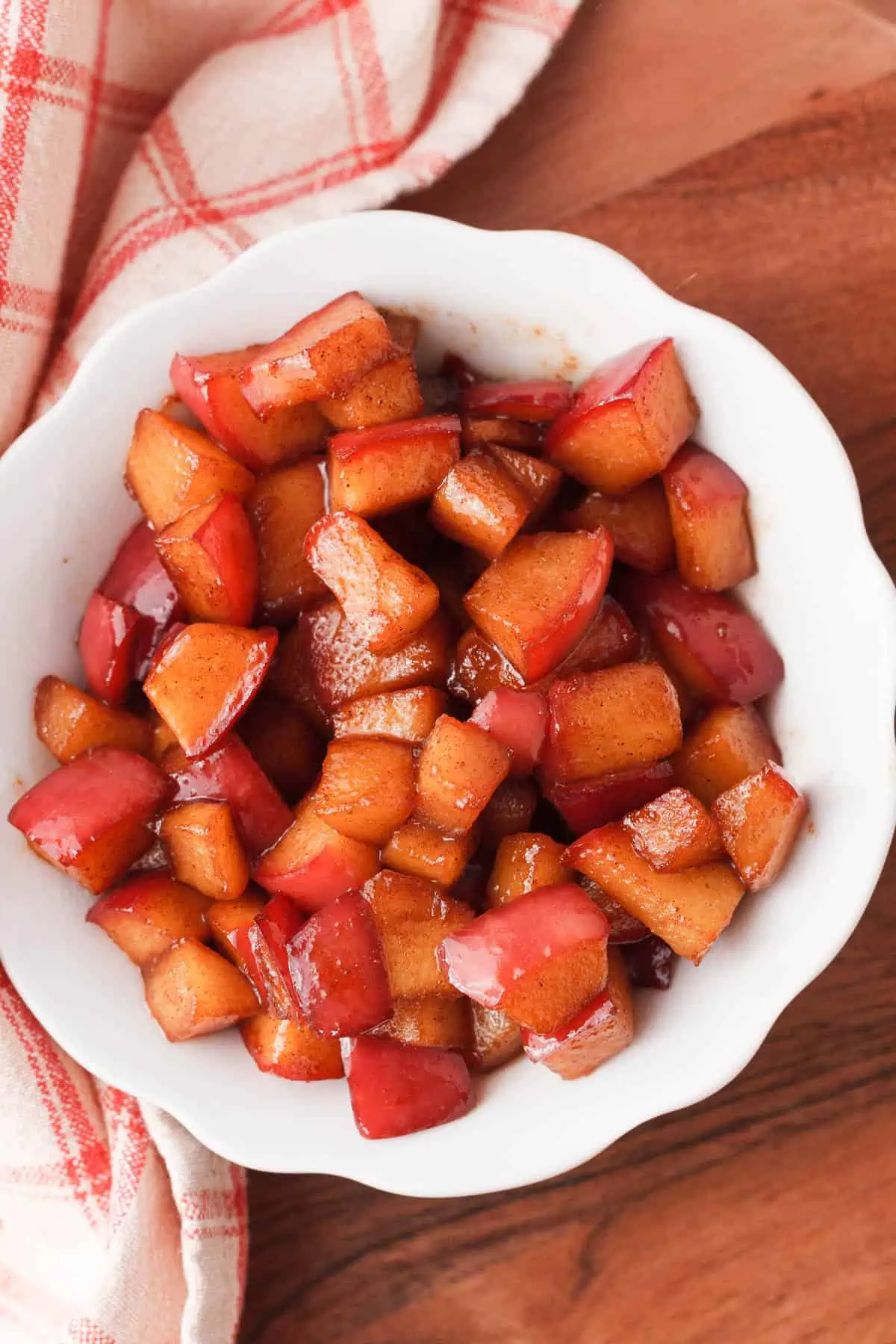
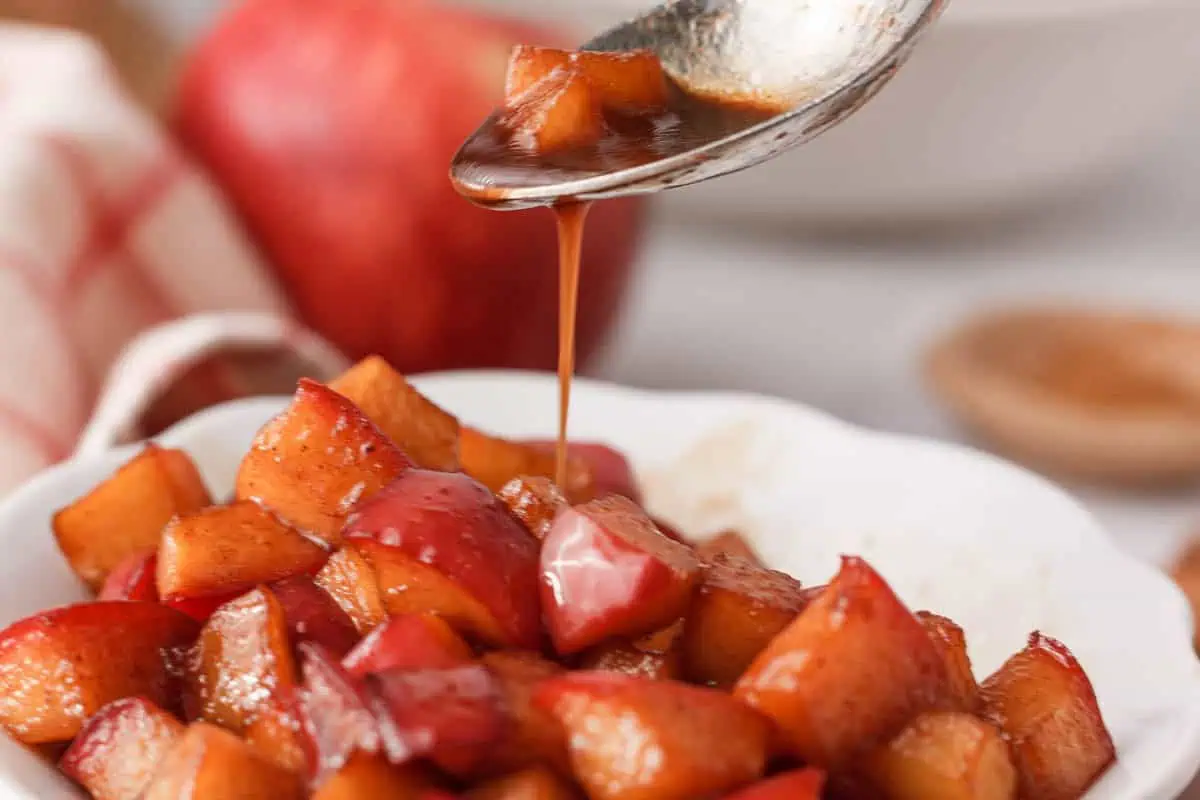
Warm, comforting flavors come to life with these easy caramelized apples that are also completely vegan! A hint of cinnamon adds classic fall spice while caramelized sugar and a hint of plant-based butter creates a rich caramel flavor perfect for topping your morning oatmeal, vegan ice cream, or eating right out of the jar.
vegan • easy • gluten free • dairy free • 5 ingredients
Would you like to save this?
Disclosure: Some links below are affiliate links. This means that, at zero cost you, I will earn an affiliate commission if you click through the link and finalize a purchase. As an Amazon Associate, I earn from qualifying purchases.
Jump to:
- 📝 quick recipe overview
- ❤️ what you'll love about this caramelized apples recipe
- ⭐️ why is this version unique?
- 🥣 ingredient notes
- 🔪 equipment notes
- 🧑🏽🍳 instruction notes
- 📝 dry versus wet caramelization methods
- Recipe
- 🍽️ how to serve caramelized apples
- 🧊 storage
- ✅ acceptable substitutions and variations
- ♻️ sustainability profile
- 🍎 fun apple fact
- ❓ frequently asked questions
- 🍎 more delicious apple recipes
- 🕰️ the latest...
I'll be honest, testing this recipe was LOTS of fun. Who wouldn't want to snack on delicious apples all day? And, I landed on a recipe I'm really excited to share with you, especially for any of my friends who love comforting fall flavors.
After trying several different versions, I found the Goldilocks combination with light brown sugar and incorporating a little lemon juice to round out the flavors. As a sustainability advocate, I do want to make note that coconut sugar is a great substitute for light brown sugar, but I didn't love it as much as the brown sugar. Check out the ingredient section and sustainability overview for sourcing a light brown sugar that's kinder to the environment.
📝 quick recipe overview
- Skill level: Easy
- Taste: Warm, caramel undertones
- Waste: Low
- Sustainability: Moderate, see notes for sourcing
- Cleanup: Easy
- Ingredients: Simple
- Equipment: Simple
- Time: 15-20 minutes
- Kid-friendly: Yes, for consuming (avoid the hot stovetop while cooking)
❤️ what you'll love about this caramelized apples recipe
Delicious, warm flavors perfect for fall. When cinnamon, sugar, and caramel flavors come together with ripe apples, you've got one of the most classic fall comfort dishes. There's a hint of brightness from lemon juice that accentuates the warm, complex flavors from the caramelizing process. It's hard not to eat this at once!
Easy to make and ready in less than 30 minutes. For many, this should be ready in about 15 minutes. We use a faster process for caramelizing the sugar, which means once you add the apples and remaining ingredients, it will be ready in a matter of minutes!
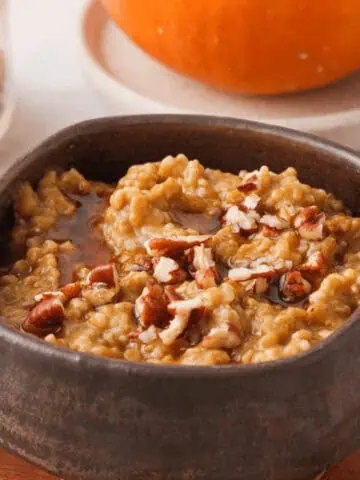
Versatile for a number of different uses. We list some of our favorite ideas later in this post, but if you can imagine diced apple in a dish, you can likely incorporate these caramelized apples. My favorite use right now? As a topping for morning steel cut oats, like this pumpkin steel cut oatmeal favorite. It's absolutely delicious.
⭐️ why is this version unique?
Dry method for caramelization. Many recipes published today use a method that's closer to the "wet" method of caramelization...and they look delicious! The dry method we use in this recipe is a classic technique that usually saves cooking time and deepens the caramel flavor (Gordon Ramsay style as evidenced in his caramelized apples and pears video). You just need to make sure you pay attention to the sugar as it starts to melt, to prevent burning.
Vegan ingredients. We use vegan-friendly ingredients for a delicious flavor and kinder impact on our environment. Don't forget we can capture all the delicious flavors of fall without using ingredients derived from animals!
Sustainability tips. While you make these apples, you can incorporate some simple sustainability methods to make this recipe low waste and reserve scraps for use in other recipes. That makes this dish even more tasty!
🥣 ingredient notes

Apple. I used Cosmic Crisp in this recipe, which is a great dual-purpose apple variety. Other options for sweet, tart, and textured apples that will hold up well to the caramelization include Granny Smith, Honeycrisp, Gala and many more. This recipe calls for one medium-large apple, which make about a cup and a half when diced.
Organic light brown sugar. In the U.S. organic sugar is the safest choice for those following a vegan diet. Conventional sugar is usually filtered through bone char, which is animal-derived and not vegan-friendly.
🚨 Note: I tested this recipe with coconut sugar multiple times and while I love coconut sugar for a number of reasons, it didn't beat the flavor from the organic light brown sugar. However, it was still delicious and I recommend substituting with coconut sugar if you're a fan. Love using coconut sugar in baked goods? Check out these banana blackberry oatmeal muffins!
Fresh lemon juice. The fresh lemon juice adds a level of brightness to the dish and balances out the heavier, more complex flavor created by caramelizing sugar.
🚨 Note: Don't forget to zest the lemon before juicing and save both the zest and seeds for uses in other recipes. More details are available in the sustainability section.
Vegan butter. Salted or unsalted will both work in this dish. I used salted vegan butter (what I was able to source) when making this recipe. If you prefer unsalted, taste the apples after cooking and sprinkle with a pinch of kosher salt, if desired.
Ground cinnamon. Is it a fall recipe without cinnamon? We use a small amount of cinnamon to add some subtle spiciness to the warm caramel undertones.
🔪 equipment notes
Medium skillet. A skillet between 8-12 inches should work well for you. I used a nonstick skillet, but enameled cast iron is another great choice. A regular nonstick skillet will work as well, but I avoid recommending nonstick outright because many can have potentially problematic coatings (say that 10x fast).
Spoon or spatula. I use a wooden spoon or spatula. Select a material that complements your skillet. If using enameled cast iron or nonstick, a non-metal material is preferred...or just use metal with caution.
If you're shopping for a new wooden spatula, I do love this option from a company called Earlywood and use them all the time (affiliate link).
Medium bowl. Use the bowl for coating the diced apple with ground cinnamon.
Small spoon for stirring apples. Why not use the same spoon or spatula from earlier? While the brown sugar caramelizes, I want to make sure you avoid incorporating any moisture or small scraps into the skillet. If you use the same one, just stir the apples, wash, and dry it well before caramelizing the sugar.
Measuring spoons. No measuring cups should be needed for this recipe, unless you're curious to measure your apple pieces.
🧑🏽🍳 instruction notes
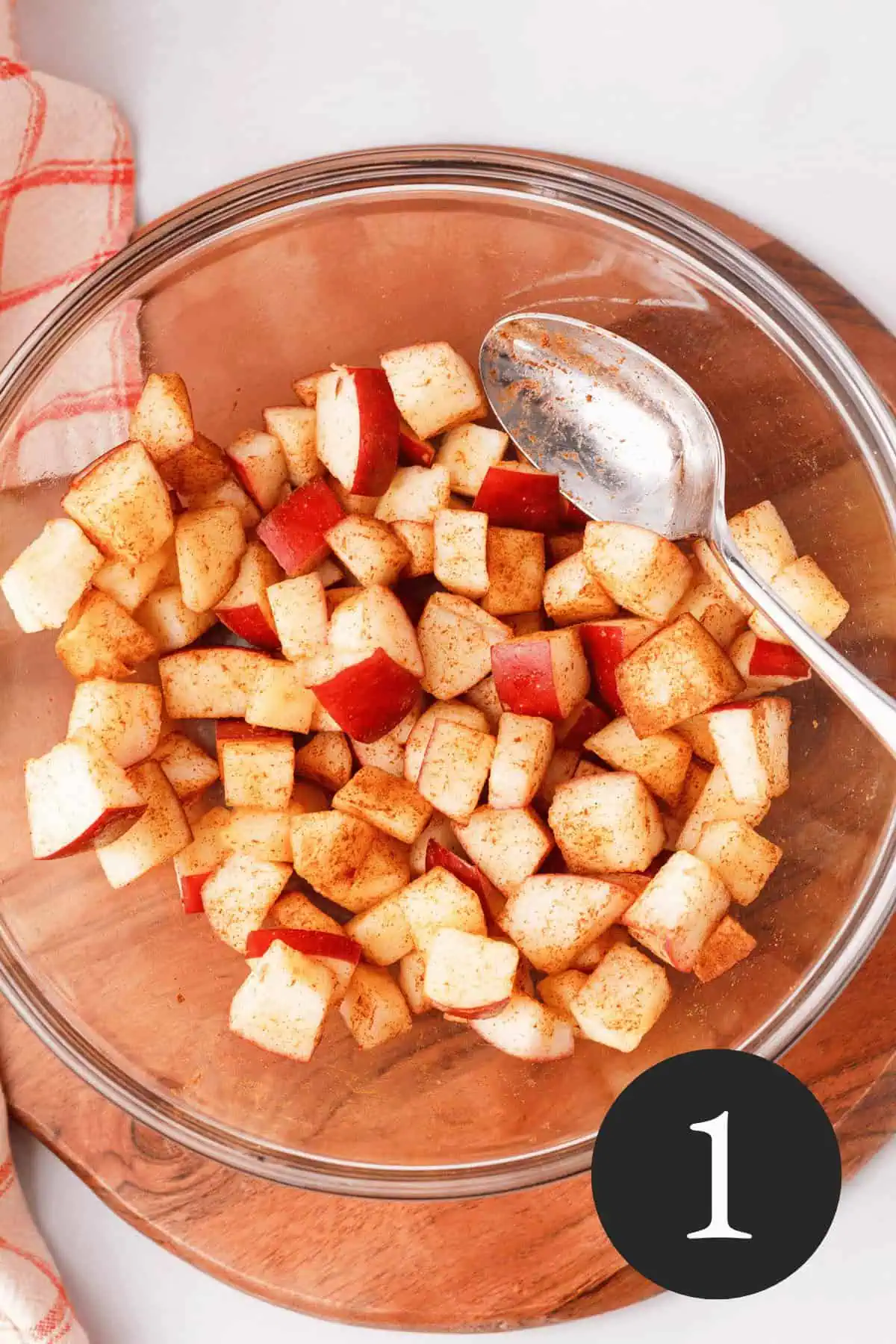


Prepare your ingredients, including stirring together diced apples and ground cinnamon. I suggest using the mise en place method and have all ingredients organized before cooking. Once the sugar starts to caramelize (next step), you will move quickly to incorporate remaining ingredients.
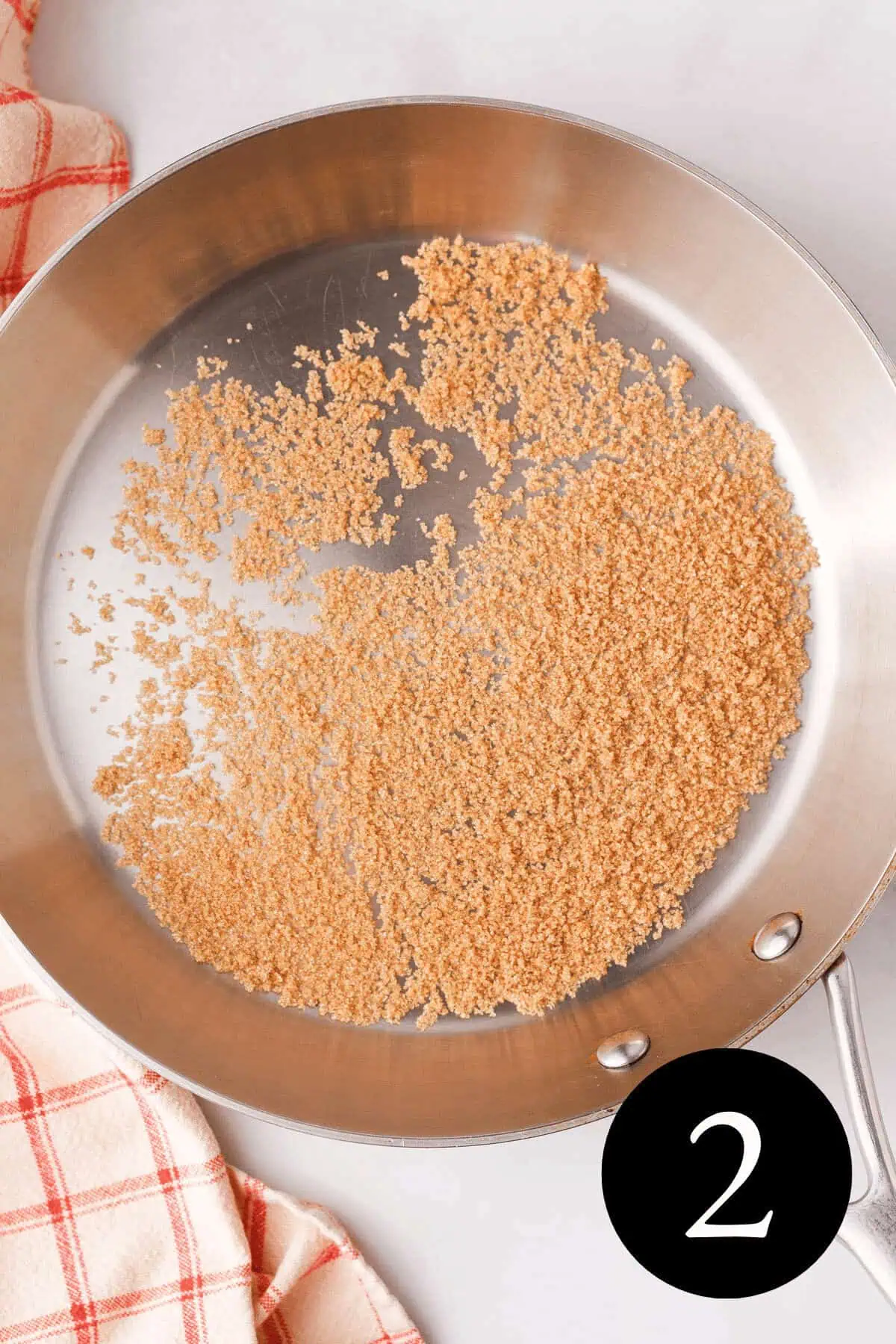
Caramelize your light brown sugar in the skillet. Pour your sugar into the skillet and gently shake it to create an even layer. You can also use the back of your spoon or spatula to help create evenness. Heat the sugar over low-medium heat until it turns amber, liquefies, and gently bubbles around the edges. At this stage, move quickly to the next steps.
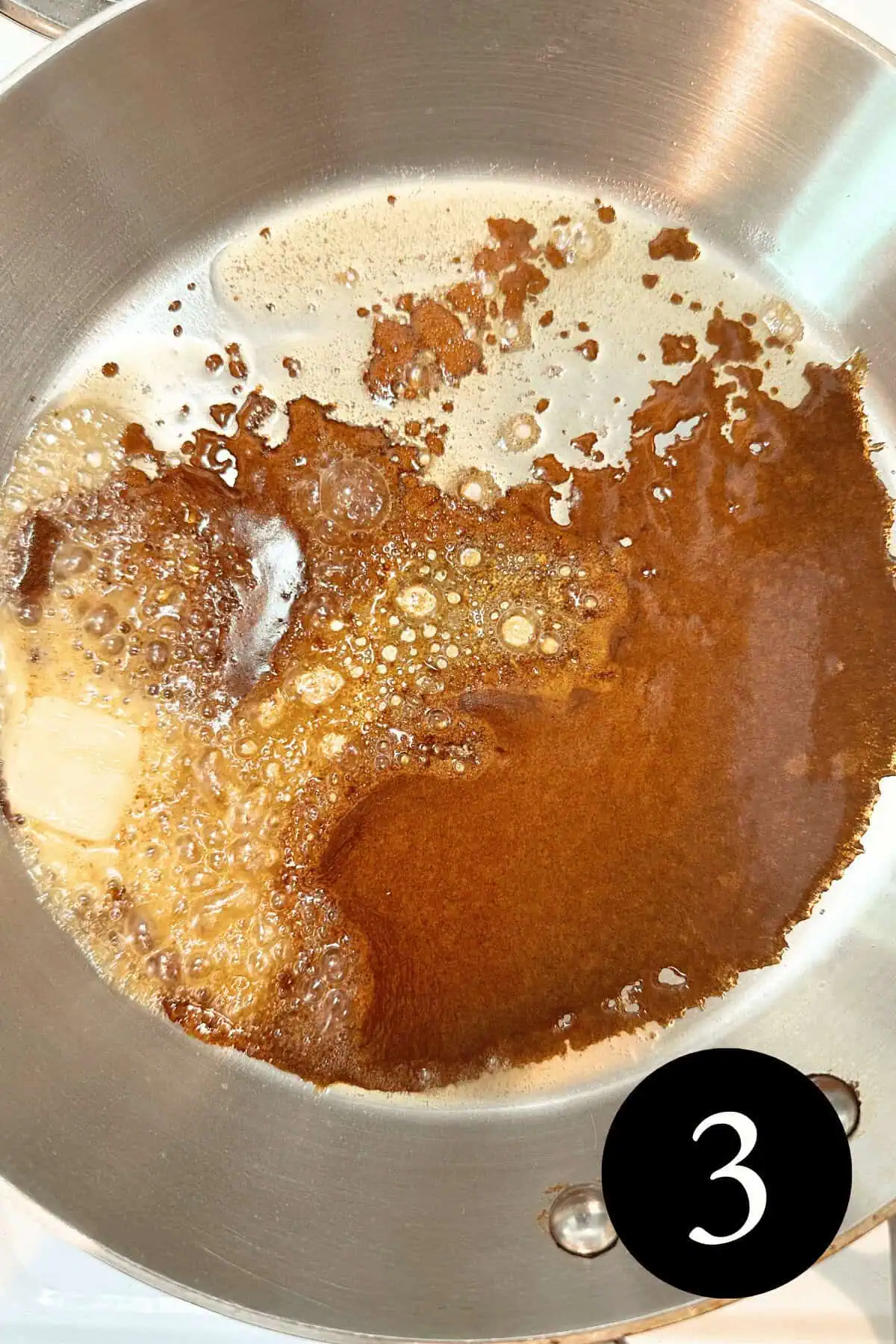
Add your vegan butter and turn your pan to allow the butter to cover more of the bottom. If it looks like your sugar is close to burning, you can start to stir.
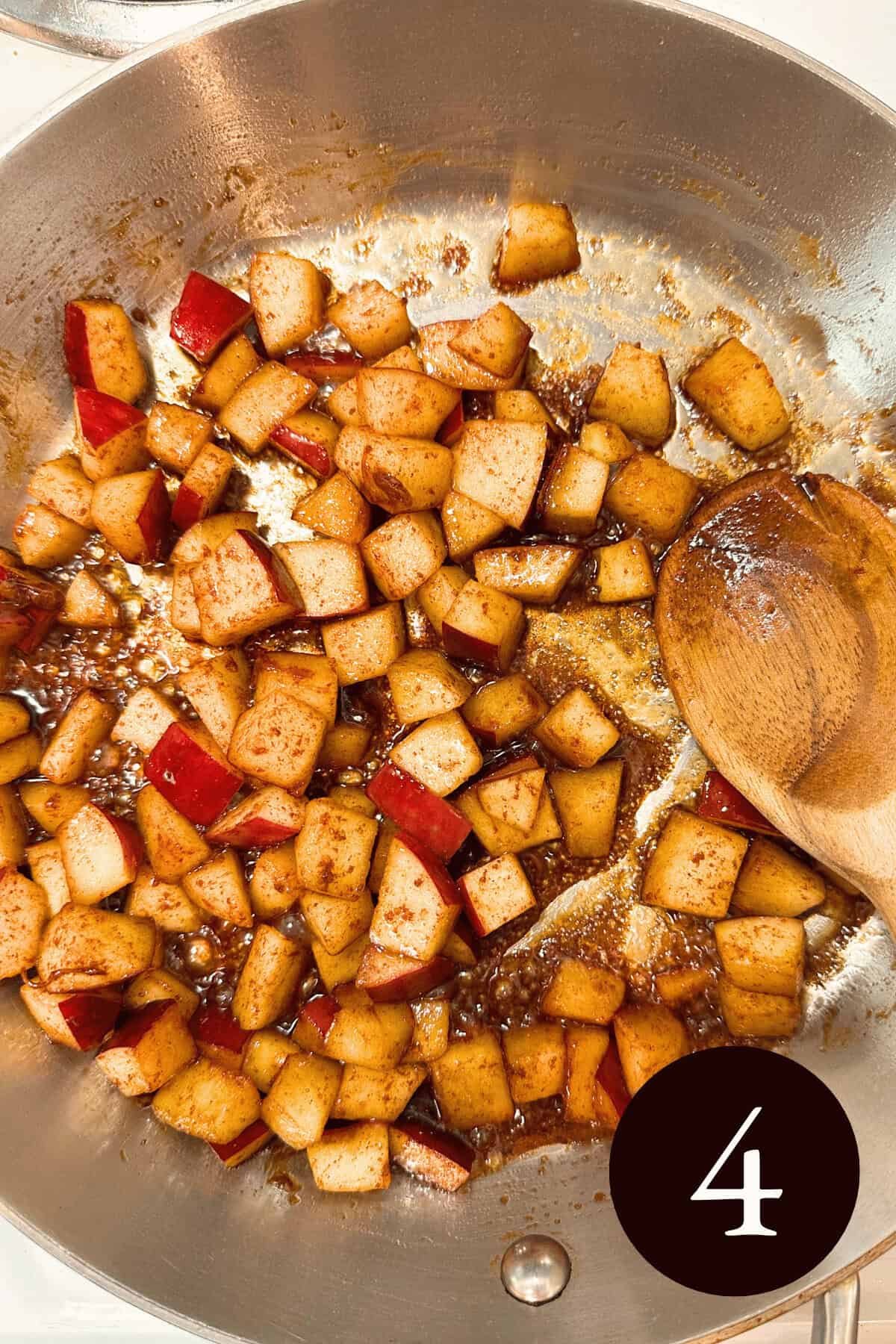
Add apples and stir to incorporate into the caramel sauce. Cook for 5-7 minutes, or until the apples are fork tender.
Pour in the lemon juice. Close to the end, pour in the lemon juice, stir, and allow to cook for a few minutes to thicken the sauce before serving.
Remove from heat and serve warm. This is best served warm, but see below notes for storage details.
🚨 A note about texture. We aren't trying to create a hard caramel sauce with diced apple suspended in the mixture. We're interested in a thinner sauce that evenly coats the apples and can be poured over the top of oatmeal, pancakes, or whatever your heart desires!
📝 dry versus wet caramelization methods
Dry caramelization (method we're using). Dry caramelization means you add the sugar to a dry skillet and allow it to melt over low-to-medium heat and continue to warm until it reaches a caramel stage. This is typically faster than the "wet caramelization" method and gives the caramel a deeper flavor. It does require more attention to prevent burning.
Wet caramelization. The wet caramelization process involves dissolving sugar in water prior to heating. The water-sugar mixture will eventually caramelize, but this process takes longer than the dry method. Some suggest this process is easier for beginners because it's at less risk of burning.
Recipe


Caramelized Apples Recipe
Ingredients
Equipment
Method
- In a medium bowl, add diced apples and ground cinnamon. Stir to evenly coat the apple pieces in cinnamon.1 apple, ½ tsp ground cinnamon
- Add organic light brown sugar to the skillet and gently shake to create an even layer of sugar. This will help prevent uneven cooking.2 tbsp light brown sugar

- Once the sugar starts to melt and bubble at the edges, add butter and turn the pan so it coats the sugar and pan. Use spatula to stir if you feel any of the melted sugar is starting to burn.1 tbsp vegan butter
- Add diced apple and stir to coat. Allow to cook in the caramel sauce for 3-5 minutes, or until apples are fork tender and the sauce is a syrupy consistency.
- Pour the lemon juice over the caramelized apples and allow to cook for a few more minutes before removing from heat and enjoying.2 tsp lemon juice
Nutrition
Notes
- Recommended to source organic apples
- Save apple cores for homemade apple cider vinegar
- Zest prior to juicing and freeze for future use
- Save seeds to use as pectin replacement in fruit jam recipes
- Pay attention to the brand. Look for labels that support regenerative agriculture, fair trade, and more. Consider using coconut sugar as an alternative, if desired.
Tried this recipe?
Let us know how it was!🍽️ how to serve caramelized apples
Topping ideas.
Of course, you can get as creative as you'd like in terms of uses for these caramelized apples! The possibilities are endless. Below are some tasty ideas:
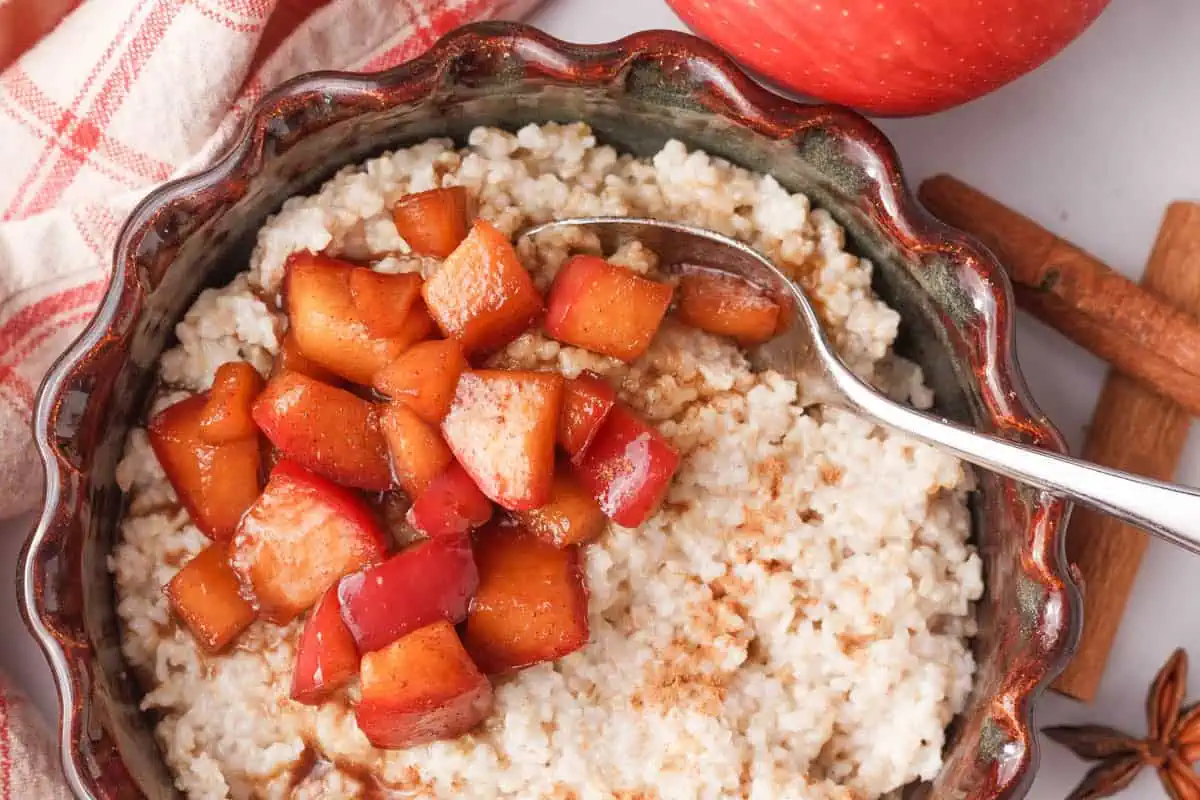
- Oatmeal
- Pancakes
- Ice cream
- French toast
- Crackers with vegan feta and caramelized apples
- Cake topping
- Vegan cheesecake topping
Temperature. Serve warm after cooking for the best experience and flavor.
🧊 storage
Immediate use is preferred, since the caramelized apples start to lose their texture when stored.
Short-term storage. Place in an airtight container and refrigerate for 24 hours. If you see small light-colored flecks in the caramelized apples, that's likely the butter that has hardened in the cooler temperatures. These will melt back into the mixture upon reheating.
Freezing for long-term storage. Place in a freezer-safe container and freeze for up to 3 months.
Reheat. Warm for 10-30 seconds in a microwave or a small saucepan over medium heat for a few minutes to warm.
✅ acceptable substitutions and variations
Coconut sugar or organic granulated sugar in place of light brown sugar. As I mentioned earlier, you can substitute the sugar in this recipe. It can be substituted at a 1:1 ratio. Please note that coconut sugar tends to take a little longer to melt and you do want to avoid burning. Granulated sugar tasted great as well, but has slightly less complex, rich flavor compared to the light brown sugar.
Zardyplants has a coconut-sugar specific recipe, if you'd like to follow a process not involving the dry caramelization method.
Experiment with spices. Add some star anise to the skillet while cooking, or stir your apples with other warm spices like allspice, nutmeg, or cloves.
Apple juice in place of lemon juice. A hint of citrus is what helps prevent any bitter flavors from developing, and creates a lighter balance to the heavier caramel flavors.
Pears in place of apples. Pears are a natural choice caramelize with, or in place of, apples. In fact, they are both close members of the rose family and are known as pome fruits. You can try other fruits as well, like peaches during the summer months! If you substitute with softer fruit (for example, bananas), note that you will likely need a shorter cooking time. We don't want mushy bananas...though, I'm sure they would still be delicious!
Apple slices. You can make this recipe with either apple slices or diced apples. Their shape is really a matter of your personal preference. Consider slices for larger applications, like cakes, and diced apples for topping oatmeal or pancakes (easier to get both pancake and apple in a bite).
♻️ sustainability profile
sourcing
Organic light brown sugar. While sugarcane production is worse for the environment than some alternative sweeteners, like coconut sugar and stevia, it is possible to source sugar from sugarcane using better farming practices. Farms using regenerative practices supports local ecosystems compared to conventional methods. Typically, this involves maximizing biodiversity, maintaining soil health, and more. Learn more about regenerative agriculture from the National Resources Defense Council.
Apples. The Environmental Working Group included apples on their 2025 'Dirty Dozen' list, so my recommendation is to purchase organic apples when possible. Or, if you can speak with the grower at your local farmer's market, they may have good options even without the official organic certification.
Discover more about the 'Dirty Dozen' and 'Clean Fifteen' list here, including an option to download a digital guide you can use while grocery shopping!
low waste
Apple core and seeds. Save your apple core and seeds for additional culinary uses, like homemade apple cider vinegar or homemade apple syrup (details for apple syrup available here).
We keep the peels on the apples in this recipe, which helps us lower waste.
Lemon peel and seeds. I suggest getting in the habit of saving lemon zest (or peels) and seeds whenever a recipe calls for lemon juice. It does require a few extra steps, but helps reduce our waste and gives you some powerhouse ingredients that come to life in future recipes. Don't forget lemon zest adds some delicious flavor to our vegan lemon poppyseed pancakes and beautiful blackberry lemon bread. Seeds can be used for pectin in homemade jams and jellies, as well.
I keep jars available for lemon zest and seeds (separate) in the freezer and use them within 3 months.

🍎 fun apple fact
Did you know apples hold quite a bit of air; in fact, almost a quarter of their volume is air? Take this into consideration if you're ever baking a whole apple. Their skins are prone to splitting because of steam filling the air cells. This can be remedied by removing a strip of skin from the bottom. (McGee 356)
❓ frequently asked questions
What fruits are good to caramelize?
Caramelizing fruit is a delicious way to serve fruit and almost any fruit can be caramelized. Some of the most common applications are apples, pears, peaches, nectarines, and bananas. Apples and pears are a little more common thanks to their firm texture that can withstand the cooking process without losing structure. Adjust the cooking time based on your fruit by taking into consideration its size and texture prior to cooking. Smaller fruits can be caramelized whole and softer, smaller fruits can typically be cooked for a shorter time.
How to caramelize fresh fruit?
The process of caramelizing fruit is relatively simple and often done on the stovetop in a skillet or saucepan and essentially melting sugar until it turns a golden color and coats the fruit of choice. Home cooks can use a dry method to caramelize the sugar without adding any water, or can incorporate the wet method by dissolving sugar in water first. Once the sugar starts caramelizing, adding the fruit, butter (in our case, vegan butter), and any other seasonings will result in a delicious flavor and desirable texture.
What are the best apples to caramelize?
The best apples to caramelize are dual-purpose varieties that are versatile because they are tasty either raw or when cooked. As with much fresh produce, younger, more tart apples are ideal for cooking and become better for eating as they age. Great options are Granny Smith, Golden Delicious, Liberty, Empire, and Cosmic Crisp...just to name a few! An apple that's a little sweet, slightly tart, and holds its shape is the ideal fruit for a caramelized apple treat.

🍎 more delicious apple recipes
- Air Fryer Applesauce Fritters
- Apple Cinnamon Skillet Cake
- Apple Cinnamon Mug Cake
- Homemade Apple Pecan Butter