Homemade Vegan Basil Pesto (Made with Walnuts)
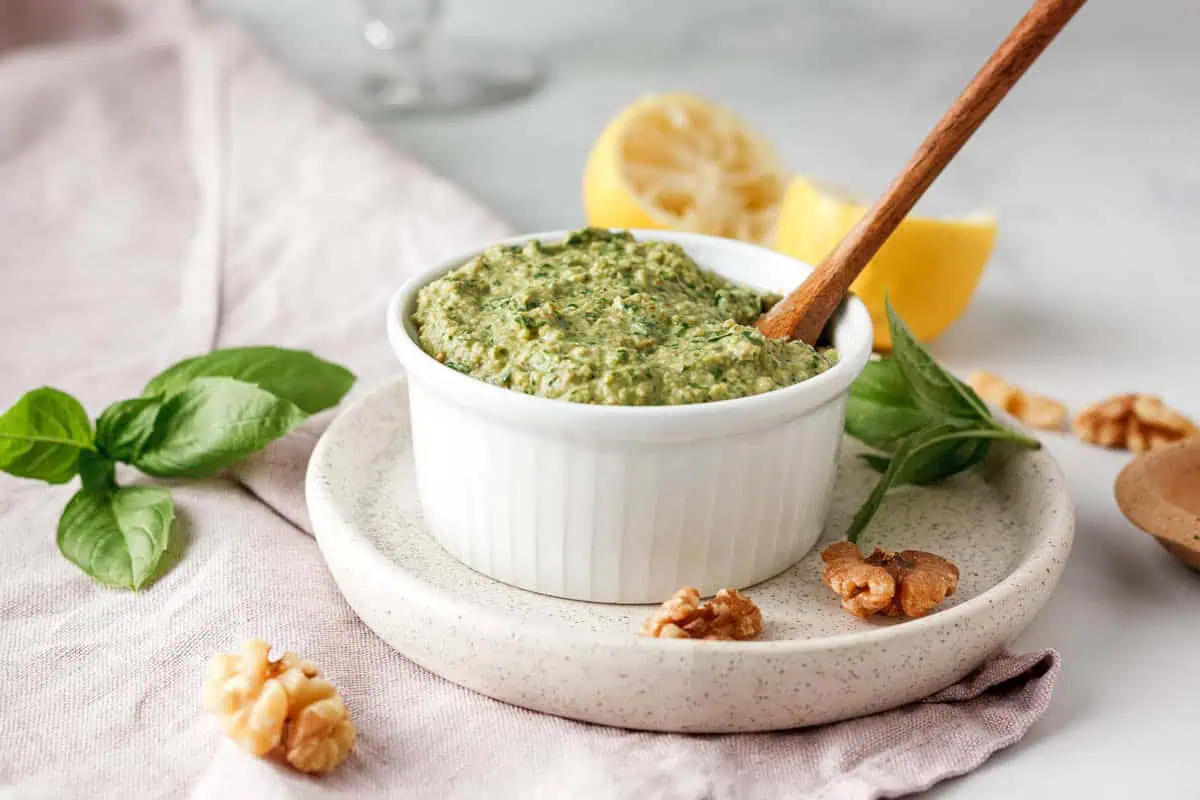
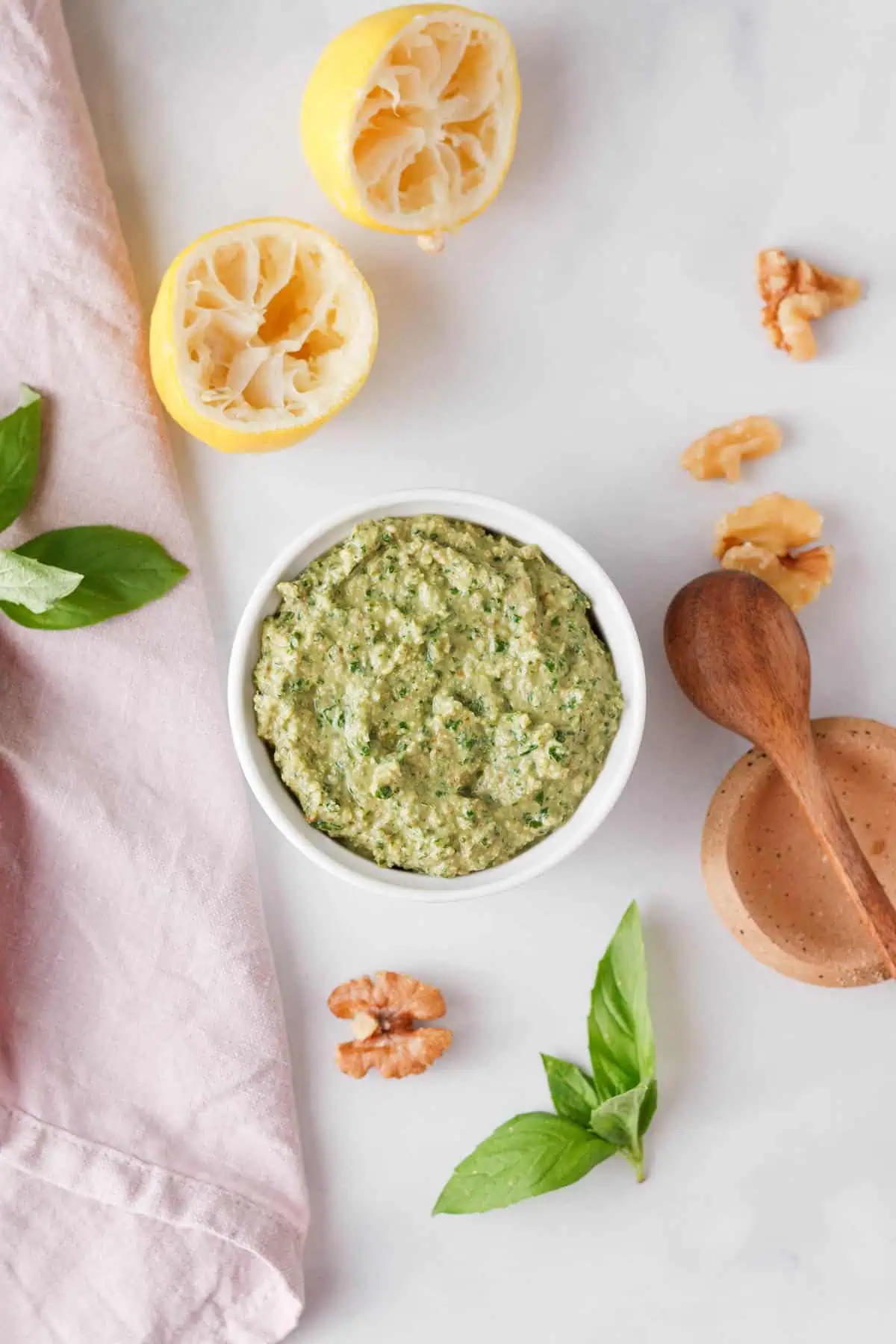
Vegan basil pesto with walnuts is a bright, punchy homemade pesto with fresh, floral basil flavor, nuttiness from walnuts that replace traditional pine nuts, and a garlicky punch from fresh garlic cloves. Nutritional yeast infuses cheesy depth of flavor, while keeping this dairy free. Easy to make and ready in about 10 minutes, this vegan, low-waste fresh pesto is perfect for spreads, dips, pasta, and more.
vegan • dairy free • easy • no pine nuts
Would you like to save this?
Disclosure: Some links below are affiliate links. This means that, at zero cost to you, I will earn an affiliate commission if you click through the link and finalize a purchase. As an Amazon Associate, I earn from qualifying purchases.
Jump to:
- 🌱 what's the difference between vegan pesto and regular pesto?
- 📝 quick recipe overview
- ✨ why walnuts?
- 🫙how this version differs
- ❤️ what you'll love about vegan basil pesto
- 🥣 ingredients for vegan basil pesto
- 🔨 building blocks of a good pesto recipe
- 🔪 equipment notes
- Recipe
- 🧑🏽🍳 how to make this basil pesto with walnuts
- 🍽️ how to serve pesto
- ⚠️ pro tip
- 🧊 storage
- ✅ acceptable substitutions and variations
- ♻️ sustainability profile
- waste
- ❓ frequently asked questions
- 🌱 more basil recipes
- 🕰️ the latest
🌱 what's the difference between vegan pesto and regular pesto?
Vegan pesto is very similar to regular, classic pesto...just without hard Italian cheeses like Parmesan. To infuse the pesto with a cheesy, umami flavor without real cheese, vegan pesto typically relies on substitutes like nutritional yeast, miso paste, vegan cheese, increased quantities of garlic, and nuts. These add depth of flavor and create a vegan pesto that's just as flavorful as "regular" pesto.
If you have extra fresh basil on hand, try this balsamic basil vinaigrette that's the perfect savory-sweet flavor for a salad dressing!
📝 quick recipe overview
- Skill level: Easy
- Taste: Savory, fresh, and herby
- Waste: Low
- Sustainability: High
- Cleanup: Easy
- Ingredients: Common, easy to source
- Equipment: Common, easy to source
- Time: 10 minutes
- Consistency: Smooth and spreadable
- Kid-friendly: Yes
- Best for: Mix-in or marinade
✨ why walnuts?
Walnuts are a simple substitution for pine nuts, and great to use in pesto because they're more accessible, cost-effective, and delicious. They also add richness and fat, helping create the creamy, spreadable texture you want from pesto.
🫙how this version differs
- We toast walnuts in a skillet for a few minutes instead of baking in the oven. This saves time, but you do need to monitor the walnuts closely to prevent burning.
- To keep a little extra green color, this recipe calls for an ice cube to help preserve basil's green hue during the blending process. Keep in mind, though, that nutritional yeast and walnuts will offset the green basil leaves a bit, leaving you with a lighter-colored pesto.
- As written, this version is a little punchier with 3 cloves of garlic. (You can reduce the amount, if you'd like.)
- We skip dairy, opting for nutritional yeast.
❤️ what you'll love about vegan basil pesto
Made without pine nuts. Pine nuts are delicious, but not as accessible as walnuts and usually more expensive. Infusing this pesto with walnuts is a tasty alternative that still creates depth of flavor, adds fat, and creates a nice texture.
Super easy and ready in minutes. Just add to your blender and blitz until you reach a thick, yet creamy texture.
Completely dairy free. We completely skip the hard dairy cheese (usually, Parmesan) in traditional pesto and infuse this with umami from nutritional yeast, nuts, and lemon. You don't miss the flavor or texture, making this a great dairy-free pesto option!
Customizable. Have some fun substituting ingredients, which could include different greens, a mix of basil and spinach, pecans or cashews in place of walnuts, or no nutritional yeast at all. Toss in some red pepper flakes or pulse with a fresh jalapeno pepper for a little kick. You can customize a delicious version ideal for your taste buds!
🥣 ingredients for vegan basil pesto
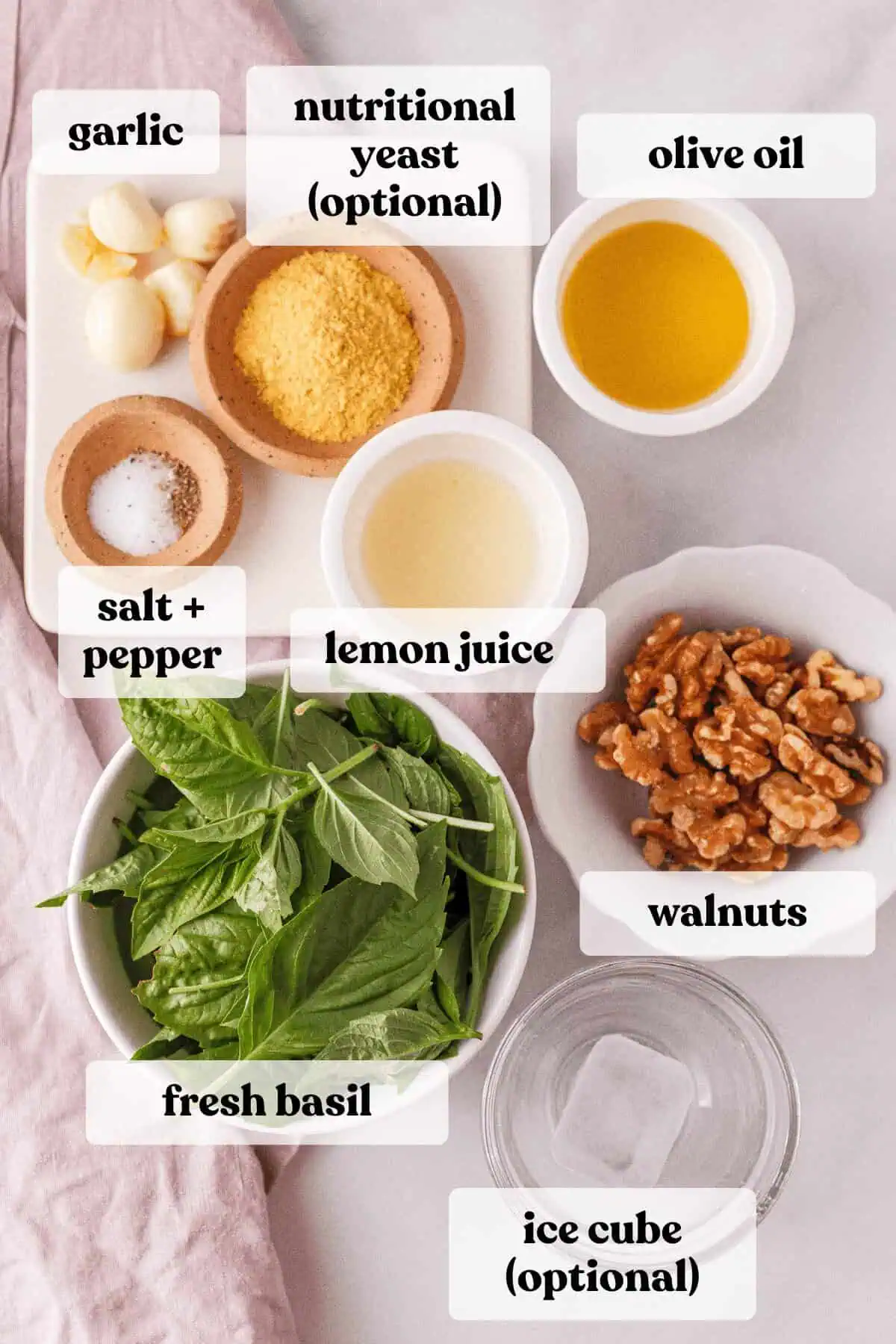
Fresh basil leaves (and tender stems). The tender stems should blend easily. Tougher, older stems can be added to your home compost, or tossed back in the garden.
Raw walnuts. Halves or a combination of halves and pieces will work.
Extra virgin olive oil.
Lemon juice. I prefer fresh lemon juice, when available.
Garlic cloves.
Nutritional yeast. Adds umami and a little cheesiness without the dairy cheese.
Salt.
Black pepper. I prefer freshly-ground, when available.
Ice cube. Optional, to help preserve green color.
🔨 building blocks of a good pesto recipe
- Base: Greens or herbs, usually fresh for maximum, bright flavor
- Fat: Usually from a combination of nuts and oil. Traditional recipes call for pine nuts and extra virgin olive oil, but you can substitute with other nuts or fats for variations on the classic recipe.
- Acid: Citrus zest and juice enhance the bright flavors.
- Liquid: The olive oil and citrus juice provide most of the liquid needed for pesto, though you can add a little ice water for a thinner texture.
- Seasonings: Salt, garlic, and a little pepper offer a zesty, savory seasoning to the dish, rounding out the other flavors. You can experiment with additional seasonings, like peppers, different spices, and greater or fewer quantities of each to adjust the flavor profile.
🔪 equipment notes
- Food processor or blender.
- Small skillet. For briefly toasting walnuts.
- Knife.
- Measuring cups and spoons.
- Citrus juicer.
Recipe
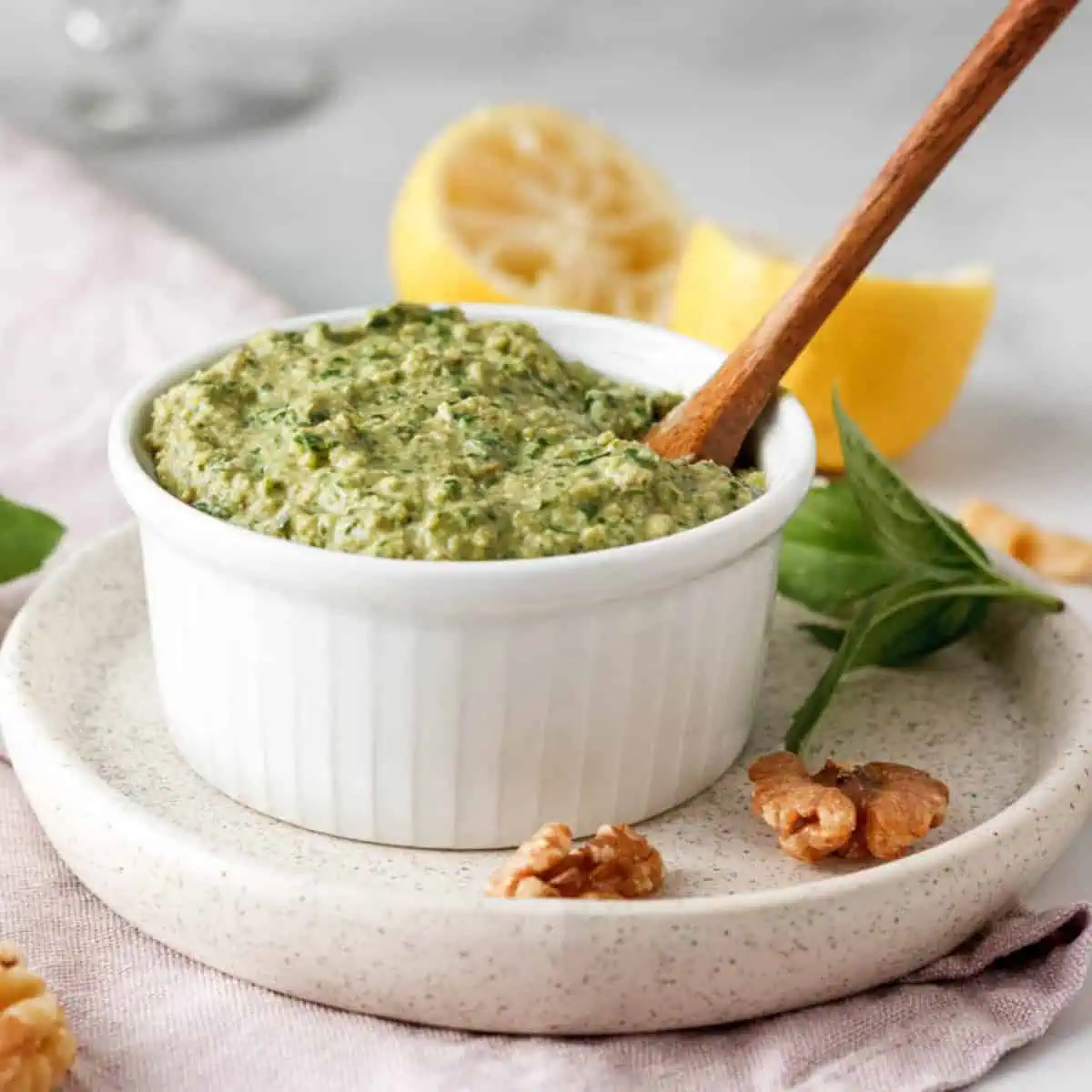

Vegan Basil Pesto with Walnuts
Ingredients
Equipment
Method
- In a small skillet over low-medium heat, toast/dry roast the walnuts for about 5 minutes. Shake the skillet occasionally. Remove from heat when the walnuts start to smell fragrant.½ cup walnuts
- To a food processor, add basil, lemon juice, walnuts, garlic, nutritional yeast, salt, black pepper, and an ice cube. Grind until largely uniform.2 cups basil, 3 cloves garlic, 1 tablespoon lemon juice, 1 tablespoon nutritional yeast, ½ teaspoon sea salt, 1 ice cube, pinch black pepper, ½ cup walnuts
- Slowly drizzle olive oil over the pesto until evenly incorporated.2 tablespoon extra virgin olive oil
- Taste and adjust seasonings to your liking. If you'd enjoy a thinner consistency, add a little water or additional olive oil.

Nutrition
Notes
- Water (will thin consistency and subtly dilute flavor)
- Olive oil (more rich than water, too much will overwhelm light basil flavor)
- Lemon juice (add a small amount to prevent making the pesto too lemon-forward)
Tried this recipe?
Let us know how it was!🧑🏽🍳 how to make this basil pesto with walnuts
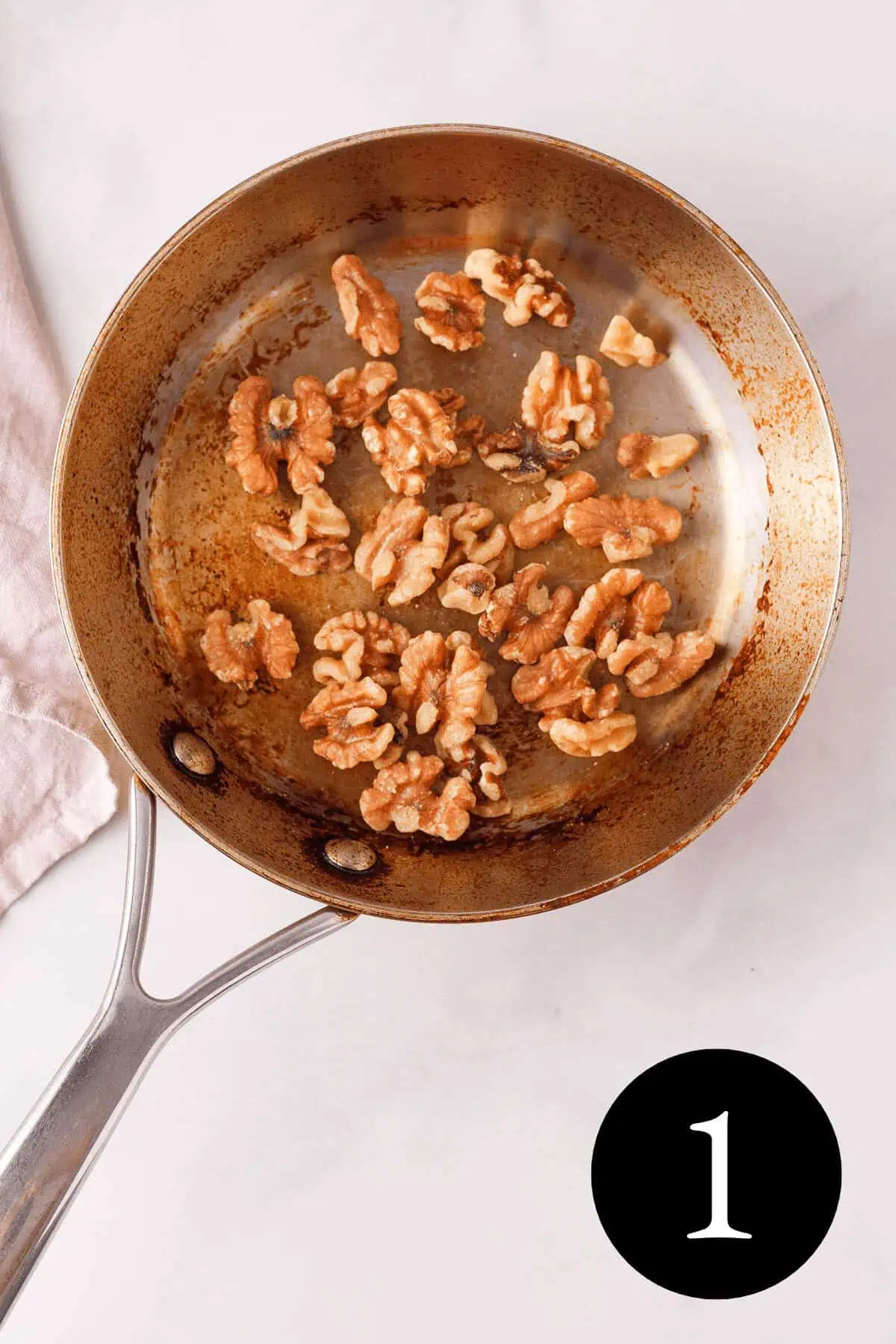
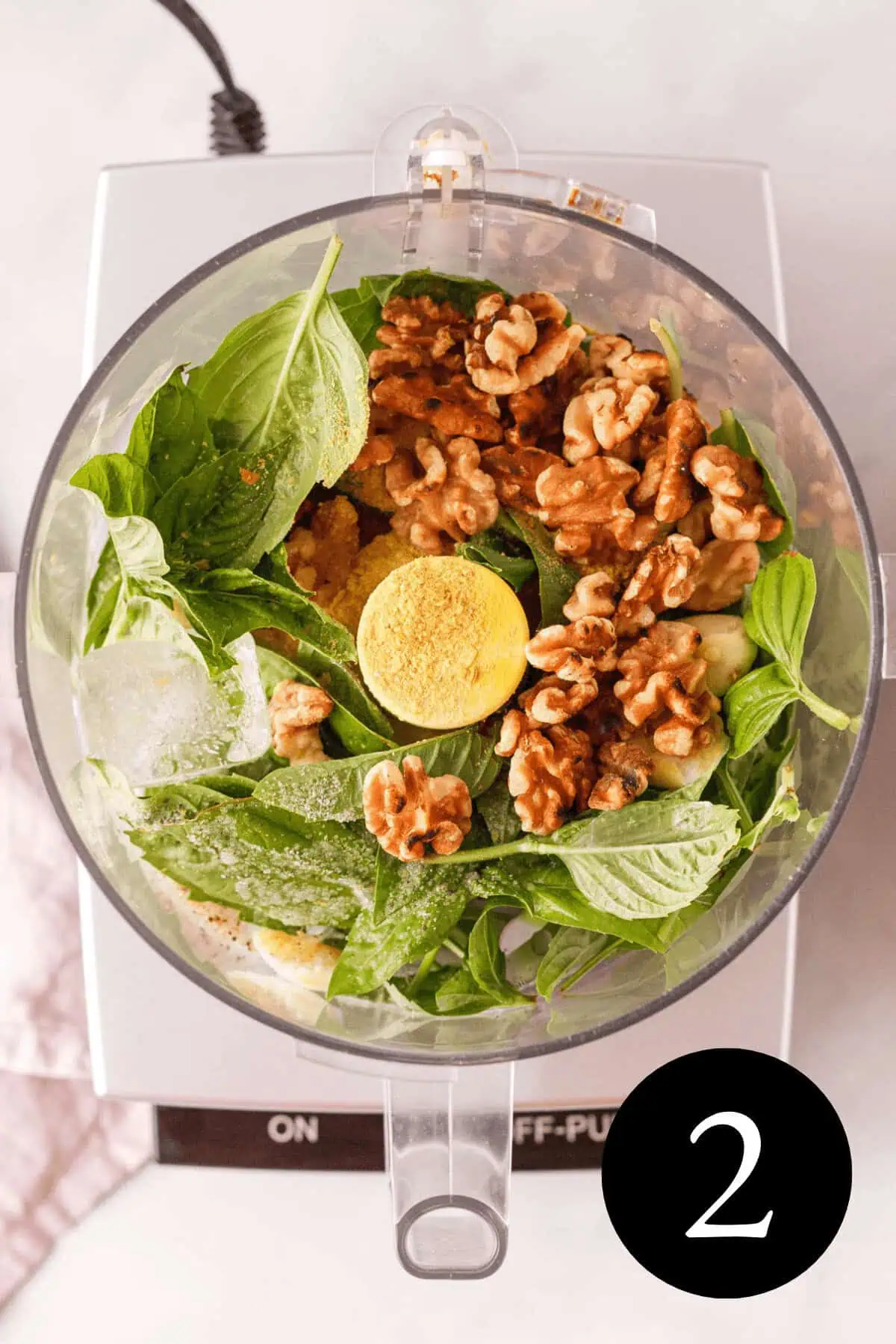
Toast walnuts. Add the walnuts to a small skillet over low-medium heat and toast for a few minutes, until you smell their aroma and the nuts start to deepen in color.
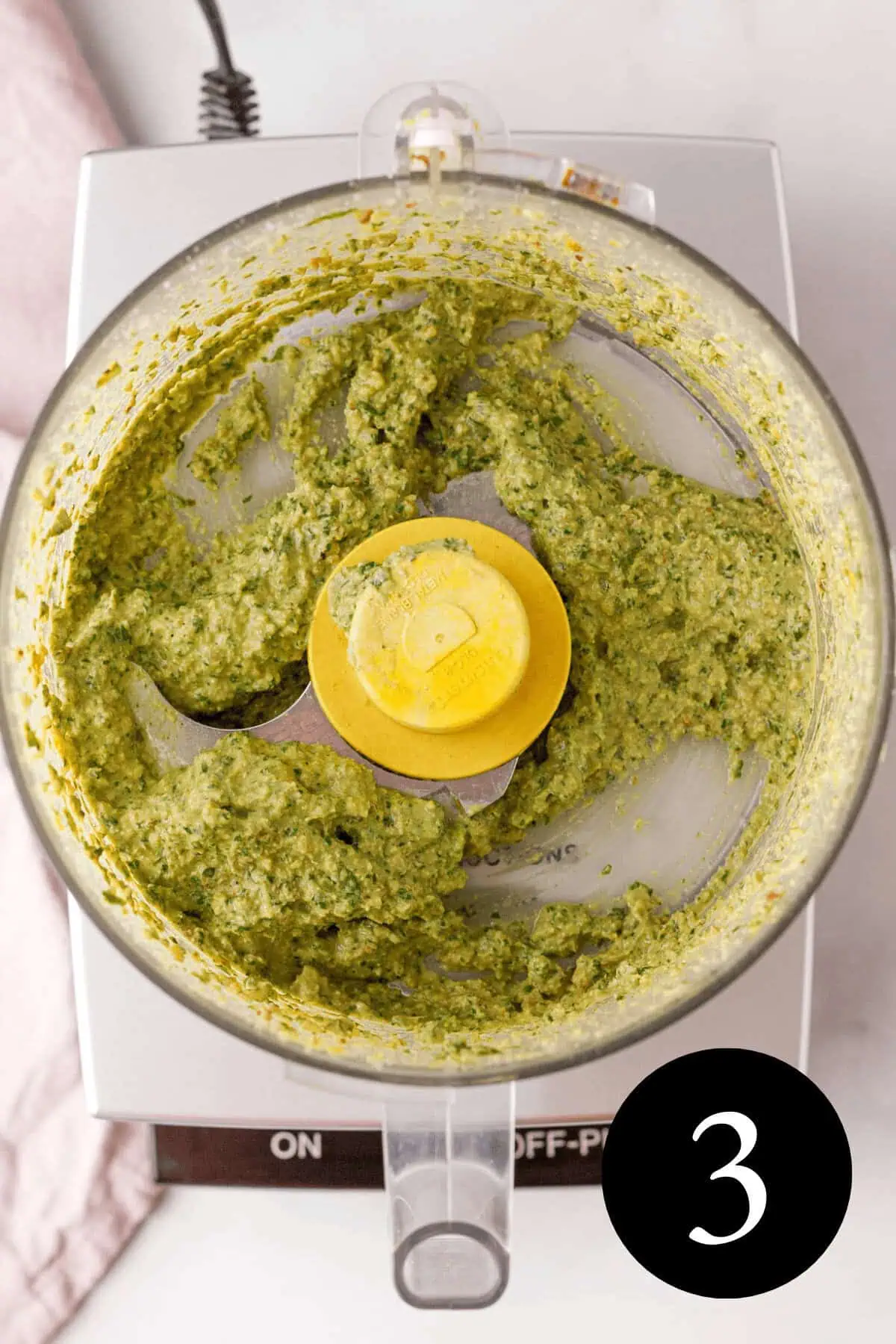
Blend everything except the olive oil. This shouldn't take long...you want everything finely chopped, but not smooth.
Drizzle olive oil into the mixture. Slowly drizzle the olive oil into the bowl of your food processor. To fully mix everything, you may need to scrape down the sides of the blender or food processor.
Make seasoning adjustments, if desired. Give it a taste and add more of what you like.
🍽️ how to serve pesto
- Spread: Use pesto as a spread for crostini, crackers, or a delicious herby sandwich.
- Mix-in: Add to broth-based soups for more depth of flavor, or blend with ingredients like vegan mayonnaise, dairy-free yogurt, and similar creamy concoctions for a delicious dip.
- Dressing: Toss cooked pasta, rice, tofu, and more in pesto to use as a sauce or dressing. Add after cooking to preserve its color and flavor. This is a great idea for quick weeknight meals, too!
⚠️ pro tip
Remember, it's best to add pesto to food at the end of the cooking process. For example, don't cook your pasta in pesto. Instead, toss the pasta in pesto after cooking and just before serving. If needed, you can thin it with a little reserved liquid or olive oil.
🧊 storage
If you have leftover pesto, here's how to store it:
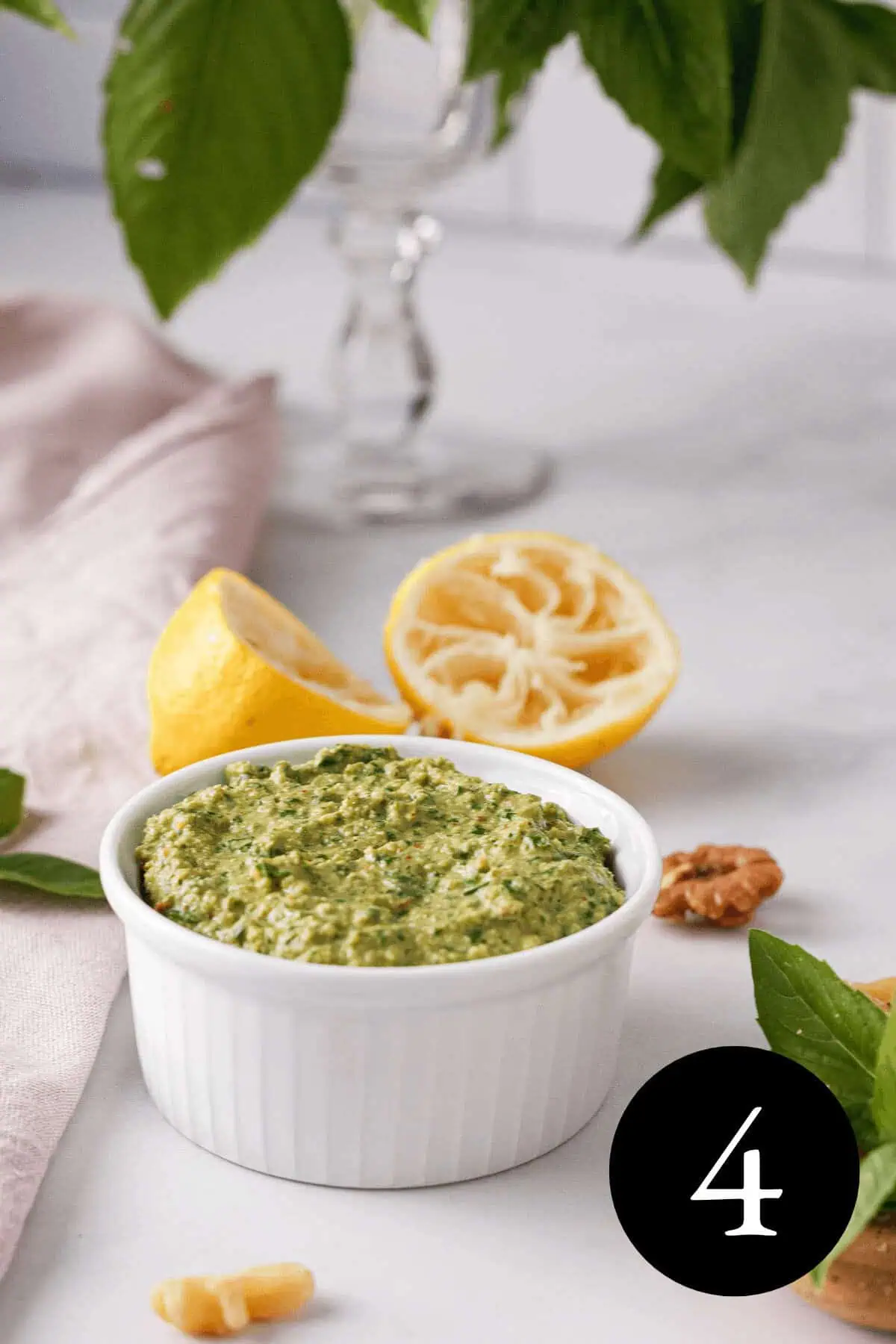
Short-term storage. Pour into an airtight container and refrigerate for up to 7 days.
Long-term storage. Freeze for up to 6 months. If you'd like portions, consider adding to an ice cube tray and pouring a little olive oil over the top before freezing. Transfer to a freezer-safe bag once frozen through the cubes.
✅ acceptable substitutions and variations
Pesto is tasty in its simplicity, but it's also incredibly versatile. You can make substitutions to create a pesto that's either nut free, oil free, or with a different set of seasonings. Here are just a few ideas:
- Greens: Incorporate spinach, kale, or other greens. Consider adding different herbs, like parsley.
- Nuts or seeds: Pistachios, almonds, pecans, pine nuts, cashews, or other nuts. For a nut-free pesto, consider substituting the nuts for pumpkin seeds, hemp seeds, or sunflower seed kernels.
- Acid: If you prefer a little more lemon-forward flavor, you can add more lemon juice, or try about a teaspoon of lemon zest. Though I haven't made pesto with lime juice, others suggest it as a substitute for lemon.
- Seasoning quantities: Add more garlic, salt, nutritional yeast, or pepper. Spices you might like (add in pinches until you reach desired flavor): Red pepper flakes, smoked paprika, ground cumin, or dried oregano. Mix-in ideas: Sun dried tomatoes, jalapeño pepper (or other peppers), roasted eggplant, or any other vegetable whose cooked texture can easily blend with the pesto and whose flavor doesn't overtake the greens.
- Fat and liquid: While the nuts provide some fat to the recipe, so does olive oil. In place of olive oil, try avocado or tahini for a rich flavor and texture. Or, decrease the amount of fat used and add either water or aquafaba (chickpea brine).
♻️ sustainability profile
sourcing
Use organic ingredients when possible, or grow your own basil plant and garlic! I'm using fresh basil from the garden here, which is ideal. If you don't have garden space, see if a local farmer's market has produce for your pesto. Of course, organic is great when you can source it.
waste
Keep lemon zest and seeds. If you'd like a lemon-forward pesto, you can add a small amount while blending. Otherwise, consider storing your lemon zest in the freezer for use in other recipes, like these lemon poppy seed pancakes, tea, or wherever you'd like a bit of lemon. Use the seeds as a pectin replacement for jam.
Lemon rinds are a great addition to a simmer pot before discarding. Add your favorite herbs or spices to a pot and fill with water for a refreshing aroma.
Woody basil stems are good for your compost. Tender stems can be added to the pesto, while woody stems can be returned to the compost or garden.
Garlic ends and peels can be saved to use in homemade veggie stock. I keep a bag in my freezer and make stock when it's full.
Toasting walnuts in skillet is faster, requires less energy, and you can avoid wasting parchment paper or aluminum foil.
❓ frequently asked questions
What is basil pesto?
Basil pesto is part puree and part emulsion of basil leaves and other aromatics, like garlic, that create a paste or sauce with an herby, savory, slightly nutty, and umami flavor. Traditional pesto originated in Italy and used a mortar and pestle to create a puree of Genovese basil leaves.
What basil to use for pesto?
Genovese or sweet basil is ideal for making pesto thanks to herby, bright, and slightly sweet flavor. Young, tender leaves are best for a delicate flavor; though, larger leaves and tender stems can be added to most homemade pesto.
Is basil pesto vegan?
Traditional basil pesto is not vegan, but with a few substitutions, pesto can be both vegan and delicious. To make basil pesto vegan, remove the dairy from the ingredient list and either increase remaining ingredients (like garlic or lemon juice), or add a little nutritional yeast for vegan cheesy flavor. Or, add both for a flavor-packed vegan pesto!
How long does homemade pesto last?
Homemade pesto has a shorter lifespan than store bought, lasting up to 7 days when stored properly in the refrigerator, or several months in the freezer. Store bought pesto uses processing techniques, preservatives, and pasteurization to extend the life of pesto and slow oxidation or spoilage. If storing homemade pesto, reduce its exposure to air and keep it refrigerated or frozen.
Does basil pesto have nuts?
Yes, traditional basil pesto recipes include pine nuts, with other variations relying on nuts like cashews, walnuts, and pecans. Nuts are not only a delicious addition to pesto for a little more depth of flavor, but also a source of fat that creates a smoother texture when blended. It is possible, though, to make pesto without nuts. Some versions use seeds like sunflower seeds or hemp seeds to serve in place of nuts.
🌱 more basil recipes