Blue Butterfly Pea Rice Recipe
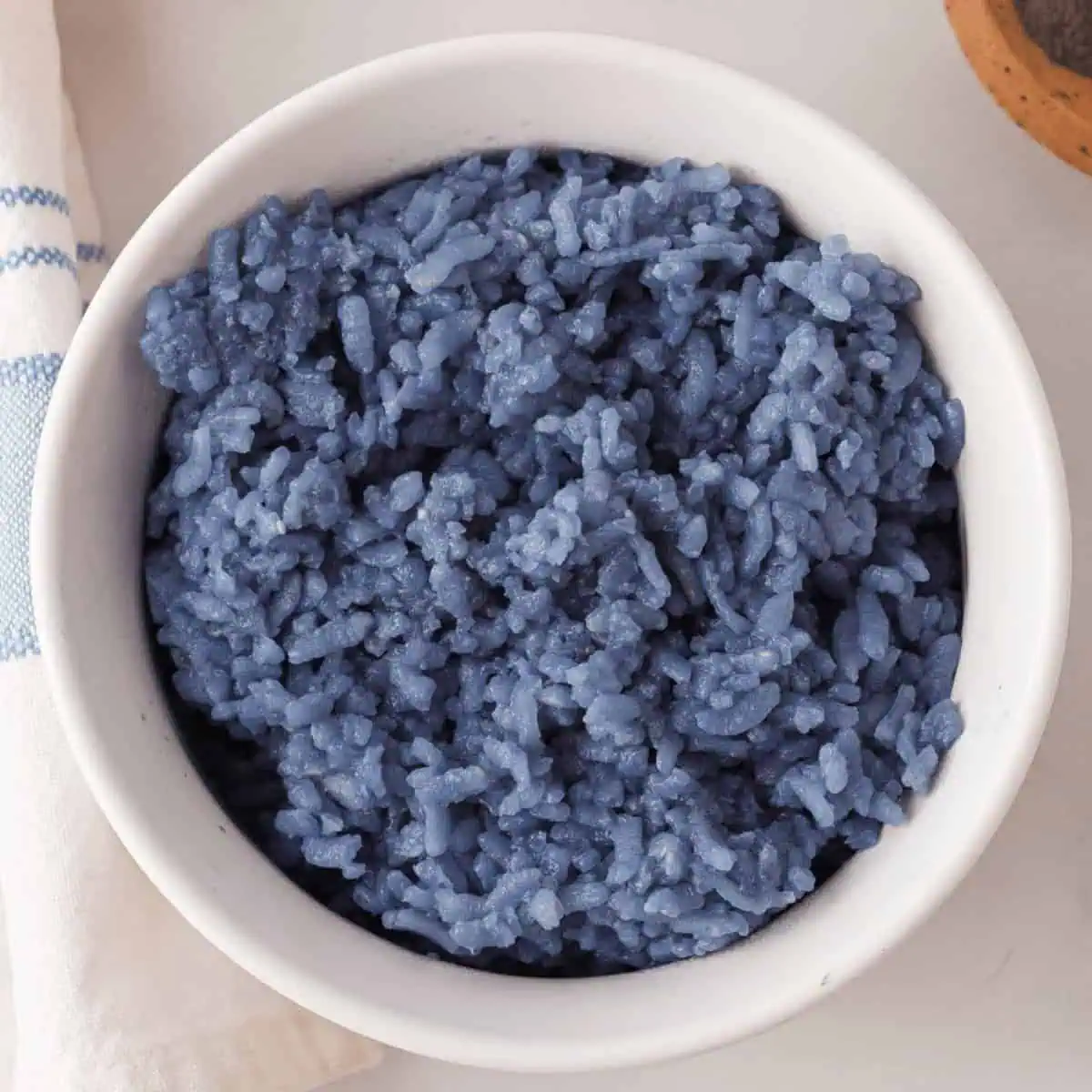
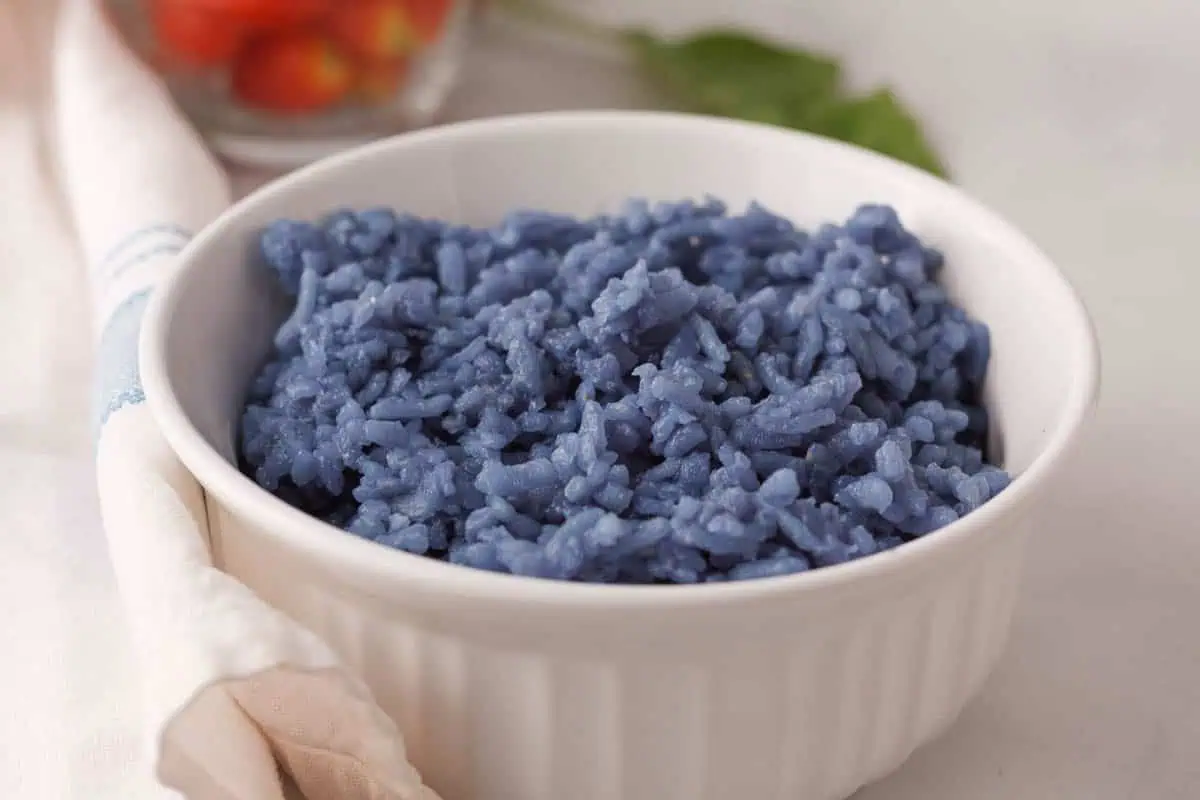
Blue butterfly pea rice is a vibrant side dish with a gorgeous blue hue thanks to butterfly pea flower powder. It's simple to make, doesn't change the flavor, and is a beautiful addition to any dish.
vegan • dairy free • 4 ingredients • easy
Would you like to save this?
Disclosure: Some links below are affiliate links. This means that, at zero cost to you, I will earn an affiliate commission if you click through the link and finalize a purchase. As an Amazon Associate, I earn from qualifying purchases.
Jump to:
- 📝 quick recipe overview
- ❤️ what you'll love about vibrant butterfly pea rice
- 🥣 ingredient notes
- 💡reminder about blue vs purple rice
- 🔪 equipment notes
- Recipe
- 🧑🏽🍳 how to make blue rice using butterfly pea powder
- 🍽️ how to serve
- 🧊 storage
- ✅ acceptable substitutions and variations
- ♻️ sustainability profile
- waste
- 🌎 what is butterfly pea rice called around the world?
- ❓ frequently asked questions
- ✨ more savory side dish recipes
- 🕰️ the latest
When I first learned about the beauty of butterfly pea colored foods, it unlocked so many ideas to get creative in the kitchen. I'm still experimenting with all the beauty butterfly pea flower powder has to offer, and this rice recipe is a new favorite in our kitchen.
Butterfly pea-colored rice is used in several traditional Southeast Asian dishes, including Malaysia's nasi kerabu and Southern Thailand's khao yam. The rice is typically infused with butterfly pea flowers, either fresh or dried, to create its characteristic blue hue.
I'm excited to show you how to make vibrant blue rice right in your home kitchen!
If you'd like to learn about butterfly pea flower itself, like its native range, growing habits, and more, this butterfly pea overview from Kew Royal Botanic Gardens is a great introduction.
📝 quick recipe overview
- Skill level: Easy
- Taste: Neutral, no flavor change with the addition of butterfly pea powder
- Waste: Low
- Sustainability: Moderate (due to rice production)
- Cleanup: Easy
- Ingredients: Common, moderately easy to source
- Equipment: Common, easy to source
- Time: 15 minutes for cooking, add 30 minutes if you decide to soak rice first
- Consistency: Light, tender rice
- Kid-friendly: Yes
- Best for: Side dish or savory rice bowls
❤️ what you'll love about vibrant butterfly pea rice
Beautiful, vibrant blue hue without noticeably altering flavor. You have a blank slate to incorporate butterfly pea rice into as many recipes as your creativity can unlock.
Easy to make and customizable. All this requires is adding butterfly pea powder to your cooking liquid and letting the rice cook as normal.
Low waste. As written, this recipe is low waste. If you use an electric kettle to jump start the boiling process and repurpose rice water (if you soak it first), you earn some extra sustainability points. More details in the recipe and sustainability section.
🥣 ingredient notes
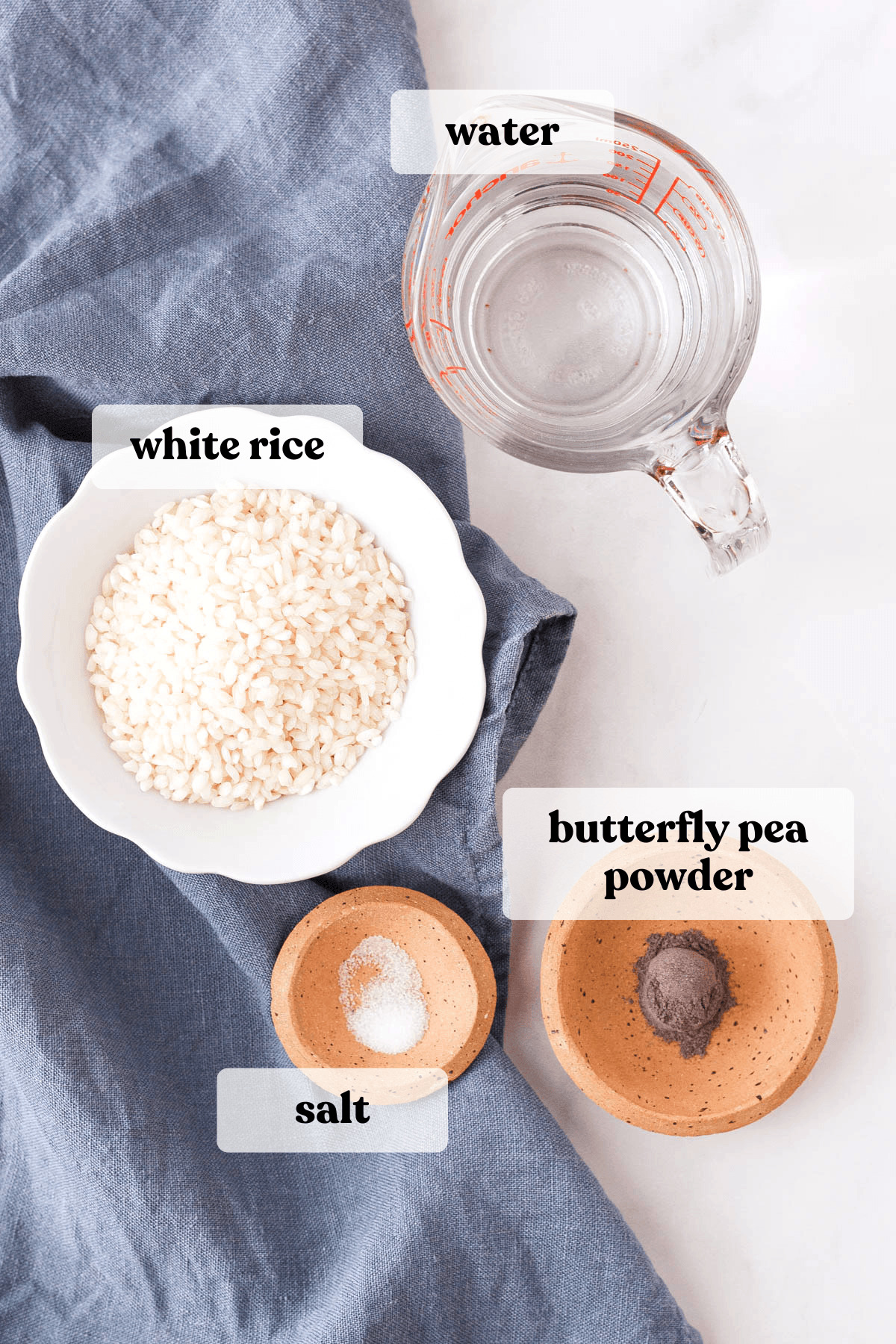
Organic white rice. I'm using white arborio rice for this particular recipe.
Water. I have the option for filtered water at my sink, so I usually use that when cooking. However, that is completely optional. Use whatever you have on hand!
Butterfly pea powder. This is a concentrated form of dried butterfly pea flower petals. I do use an Incas brand organic version in my kitchen.
Salt. A pinch is fine, but add more as desired.
💡reminder about blue vs purple rice
Blue rice infused with butterfly pea is different from purple rice, which is also known as black rice or forbidden rice. When black rice is cooked, the color changes to a deep purple hue, which is different than the vibrant blue color created by butterfly pea flowers or powder.
🔪 equipment notes
- Saucepan
- Electric kettle (optional, to reduce water boiling time)
- Spoon or spatula
- Bowl (if you haven't soaked your rice yet)
- Fine mesh strainer (for soaking rice)
- Measuring cups and spoons
Recipe

Blue Butterfly Pea Rice Recipe
Ingredients
Equipment
Method
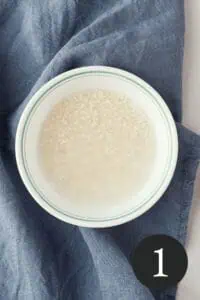
- Rinse rice under running water to remove any dust or debris. Place rice in a bowl with just enough water to cover it and rest for 30 minutes, stirring occasionally, and drain before using.½ cup white rice

- Bring water to a boil and stir in butterfly pea powder, salt, and rice.1 cup water, ½ teaspoon butterfly pea powder, ⅛ teaspoon kosher salt, ½ cup white rice
- Reduce heat to a simmer and cover pot with a tight-fitting lid. Cook for 10-15 minutes, stirring occasionally to prevent rice from sticking to the pot.
- When all water has been absorbed, remove from heat and fluff. Serve warm or store in an airtight container in the refrigerator for up to a week.
Nutrition
Notes
- If using butterfly pea flowers instead of flowers, substitute with 1-2 tablespoons of dried flowers (more will produce a darker hue).
Tried this recipe?
Let us know how it was!🧑🏽🍳 how to make blue rice using butterfly pea powder
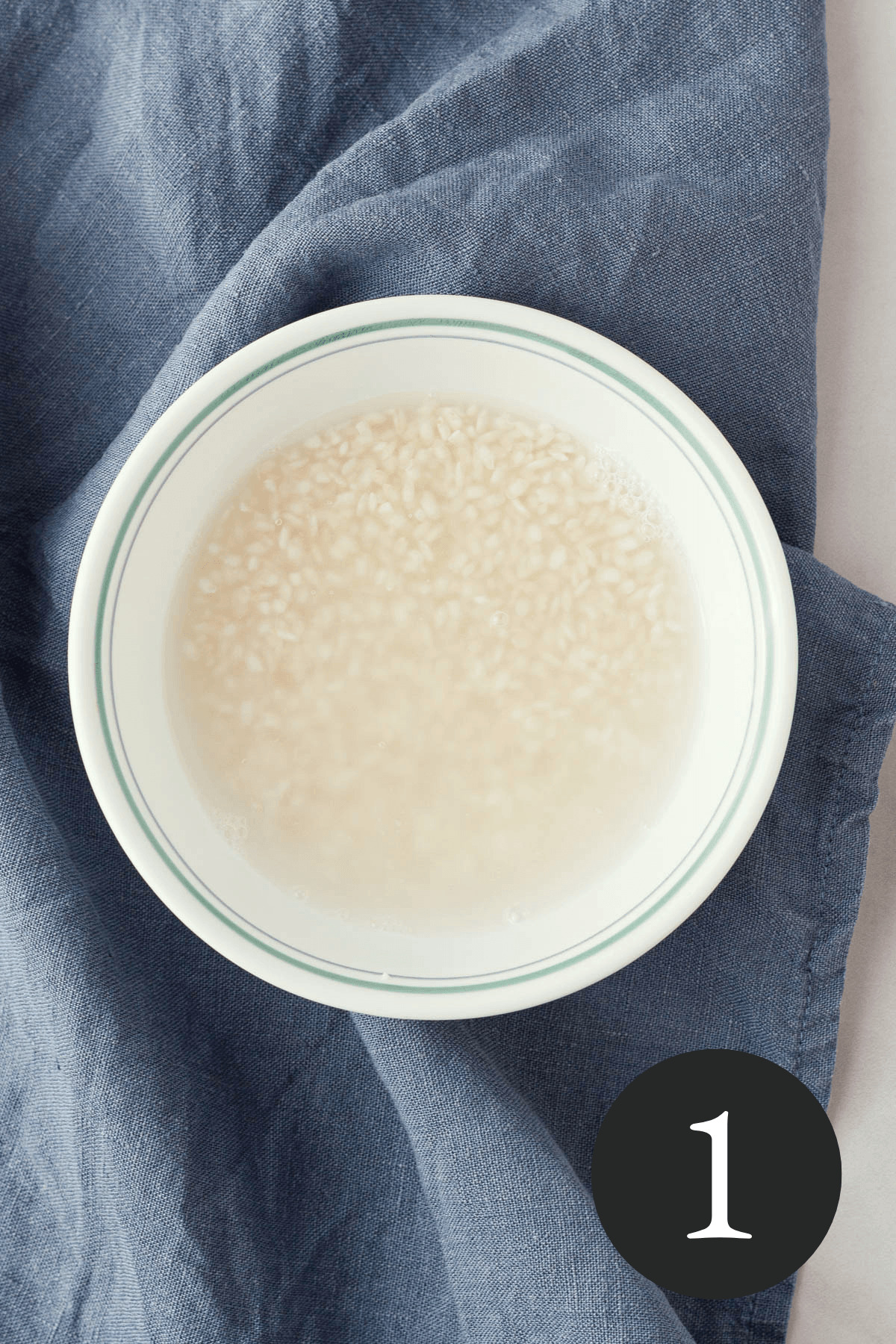
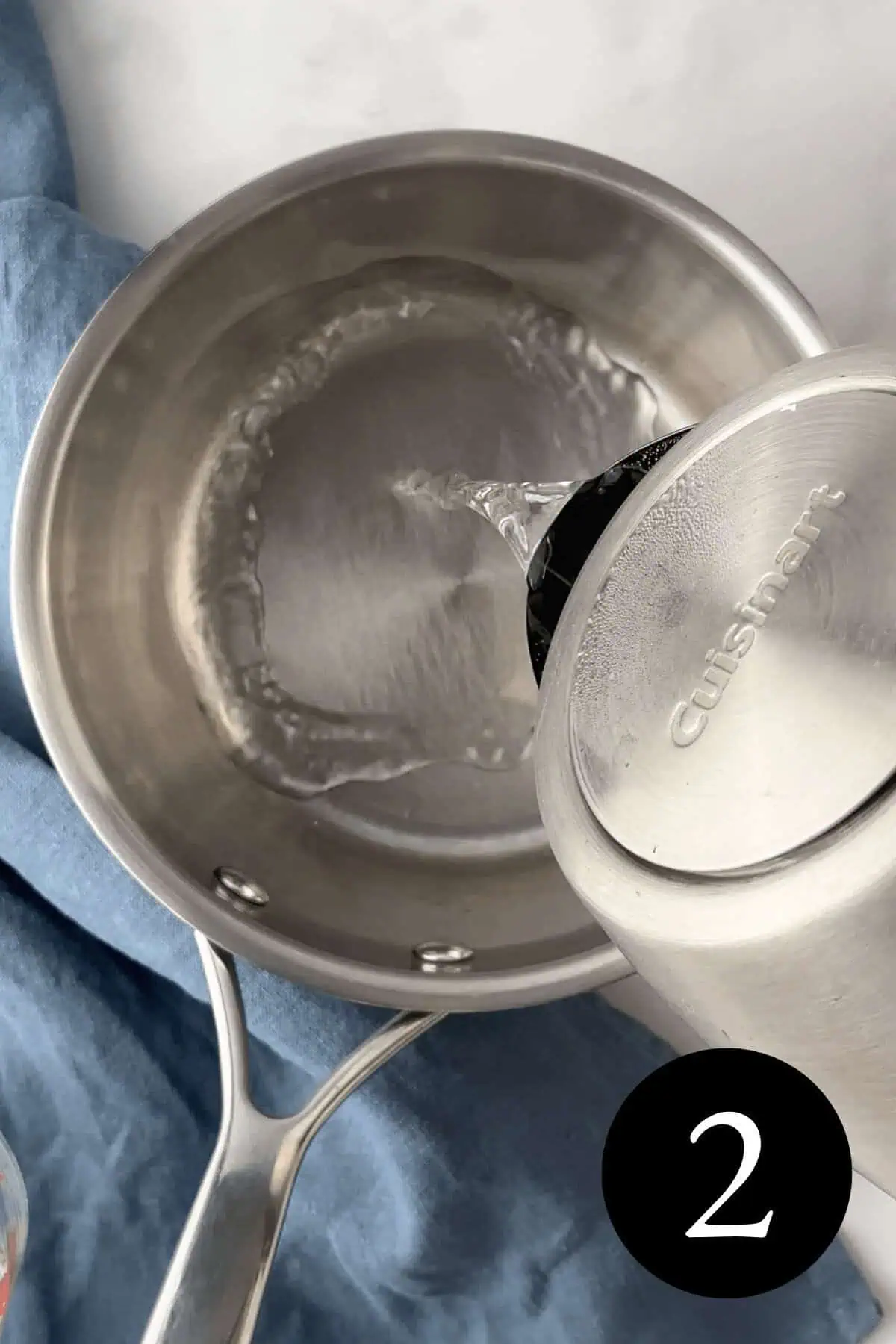
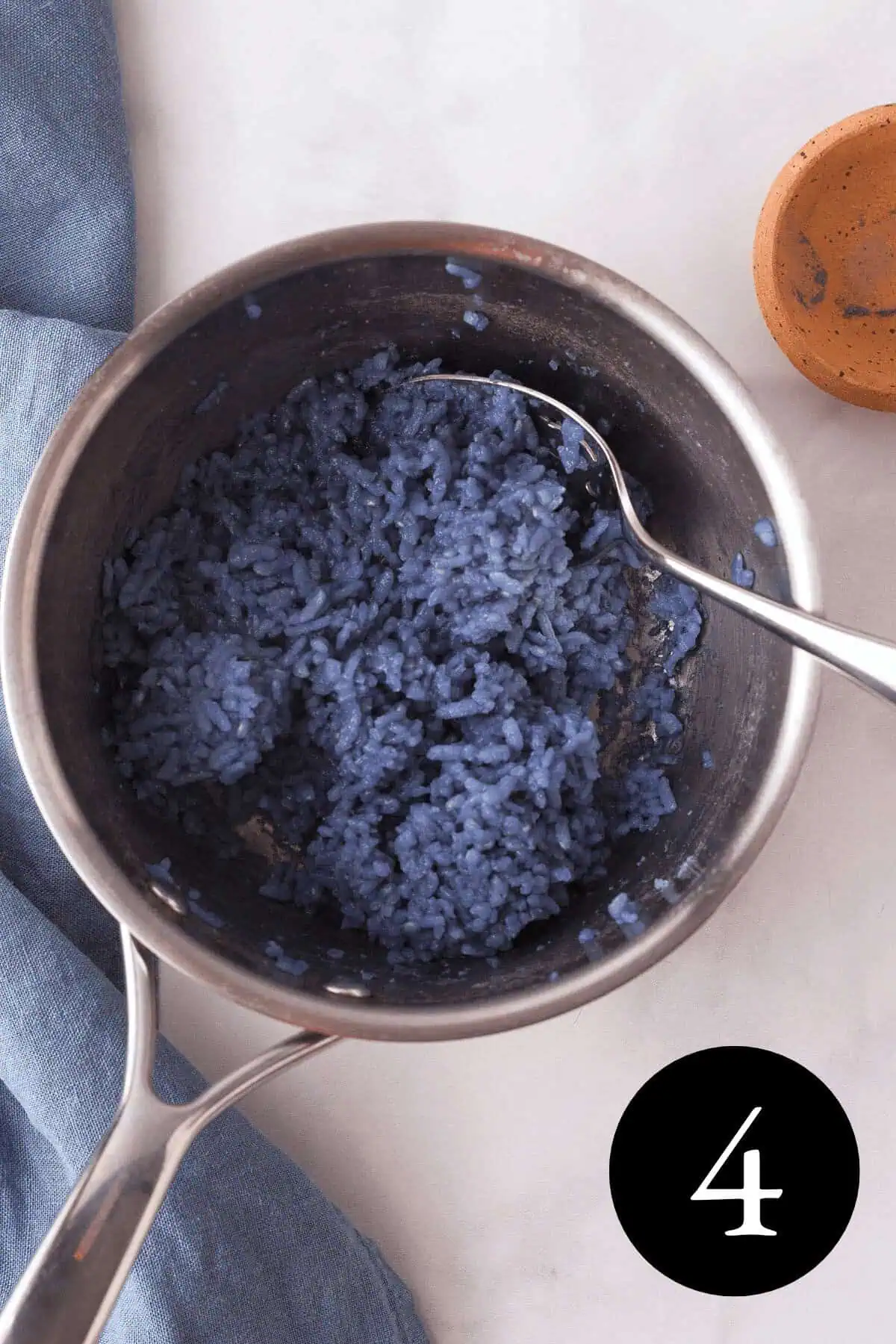
Soak rice. While this step is optional, it can help create a fluffier finished texture. Follow the instructions on the packaging and don't forget you can repurpose the leftover rice water!
Note: The water you cook the rice in is not the same as the water used to soak. Drain before cooking.
Boil water. I prefer an electric kettle for boiling before adding to the saucepan over high heat.
Stir in the rice, butterfly pea powder, and salt, and reduce to a simmer. Add the lid to the top of the pot and stir occasionally, until the rice has absorbed the water and is cooked to your desired texture. For me, this takes about 12 minutes, so plan for 10-15 minutes.
Remove from heat and fluff before serving.
🍽️ how to serve
You're only limited by your creativity when it comes to serving blue rice! Use as a stand-alone side dish, or add it as the foundation to a bowl that's hearty enough for lunch or dinner. Here are some veggie ideas you can mix in for a flavorful treat:
- Carrots
- Tomatoes
- Cucumber
- Corn
- Onions
- Sliced mango
- Sliced avocado
- Nuts or seeds
- Roasted chickpeas or other legumes
- Bell pepper
- Tofu
- Fresh or dried herbs
- Dressings of your choice
You could also add some cooked mix-ins, like air fryer frozen asparagus or air fryer potatoes and carrots.
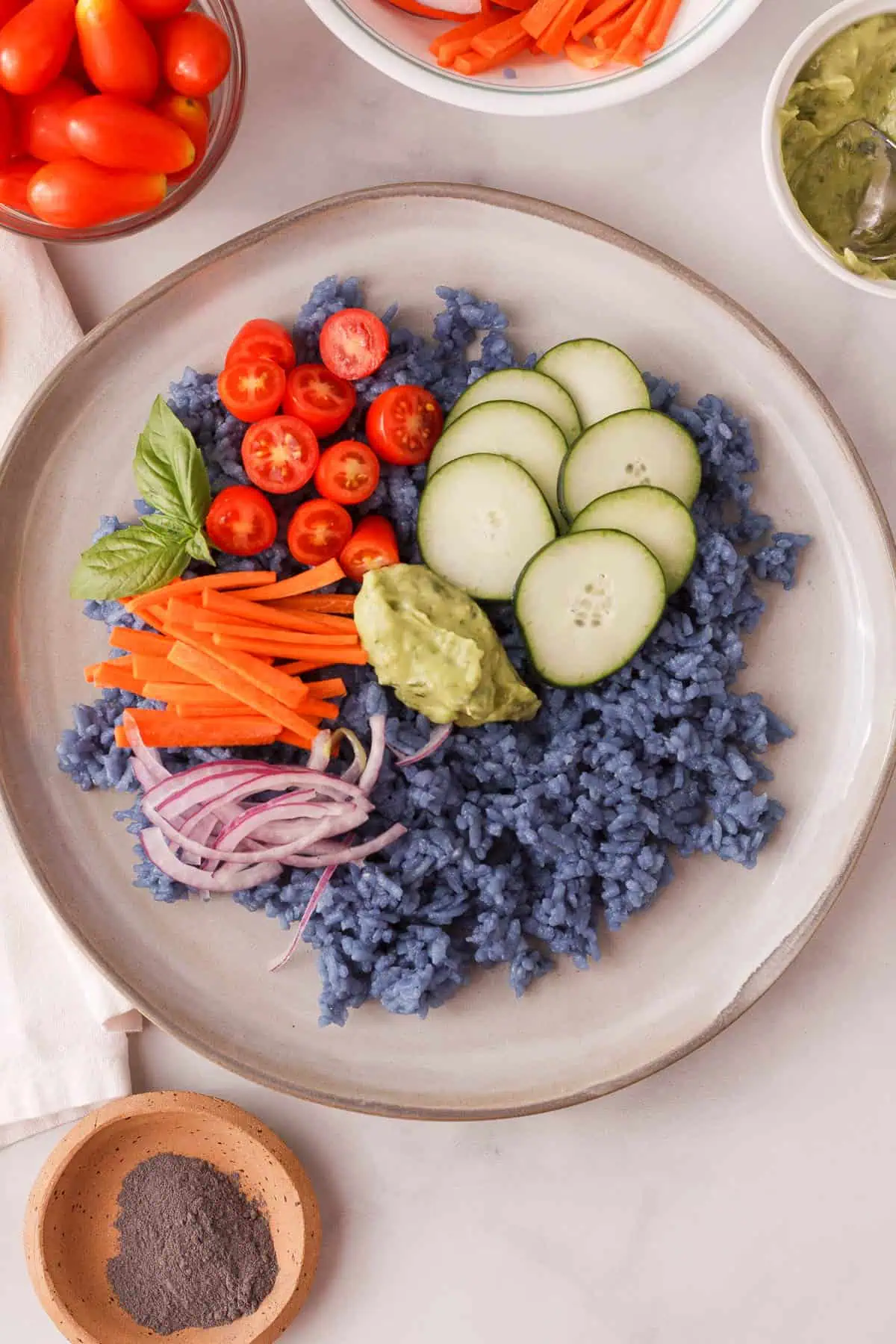
Below, you can see I used it to create a blue rice bowl with contrasting colors and flavor. I topped it with sliced cucumber, cherry tomatoes, red onion, carrot sticks, and some avocado-basil puree (thanks to the abundance of fresh basil in my garden right now 😉). 🌱 The rice tasted like rice and the "dressing" was really the star of the flavor show.
🧊 storage
Short-term storage. Place in an airtight container and store in the refrigerator for up to 3 days.
Long-term storage. Place in a freezer-safe container and freeze for one to two months.
Of course, reheat before eating.
✅ acceptable substitutions and variations
Butterfly pea flowers in place of powder. You can achieve the same blue rice result using fresh flowers instead of the powder. For every ½ teaspoon of butterfly pea powder in a recipe, try replacing with 1-2 tablespoons of butterfly pea flowers. The more flowers or powder, the deeper the blue color. Agile Test Kitchen notes that using flowers will create a less even color distribution throughout the dish, and you'll have darker flecks of blue throughout from the cooked flower petals.
Rice. White rice is what offers the most color, but you can technically swap out the rice with brown or other varieties. Just remember, the final color will vary based on what rice you use. Short vs. long-grain rice should not matter here, but do follow the instructions on the packaging, or cook the rice as you would normally.
Method. If you prefer cooking your rice in a rice cooker, add the powder or dried flowers to the liquid and cook as you would normally.
♻️ sustainability profile
sourcing
Organic. If your budget allows, I do recommend using organic rice and butterfly pea powder. Regenerative rice farms exist as well, which is an added bonus, if you can find it in your store.
waste
Repurpose rice water. Dilute and use to water plants in your garden, or consider incorporating into a beauty routine. Always consult your trusted medical professional before making changes to a beauty regimen.
Use an electric kettle to heat the water. This can be a convenient and efficient way to heat the small amount of water needed for the recipe.
🌎 what is butterfly pea rice called around the world?
Butterfly pea is used in cuisines and beverages across several regions, but Southeast Asia has some of the strongest culinary traditions involving butterfly-pea-colored rice. Here's a look at some of the names and dishes you may encounter:
- Malaysia: nasi bunga telang, nasi kerabu
- Southern Thailand: khao yam
- Indonesia: nasi bunga telang
Other locations where butterfly pea is used, though not necessarily in traditional rice dishes:
- India
- parts of Africa
- Central America
- Caribbean
❓ frequently asked questions
How does blue rice taste?
The addition of butterfly pea powder to rice doesn't alter the flavor. The butterfly pea itself is too subtle, so your rice will taste like whatever other seasonings are added to it. This makes blue rice a versatile side, since it can offer color without impacting the overall flavor of your dish.
What is the name for blue rice?
Blue rice may be described as butterfly pea rice or butterfly pea flower rice. In Malaysia, you'll also encounter blue rice as part of dishes such as nasi kerabu and nasi bunga telang, while Southern Thailand's khao yam can also feature butterfly-pea-colored rice.
Can you add butterfly pea powder to the rice after its cooked?
Yes, you can add the butterfly pea powder to rice after cooking, but you should note that the color will be less uniform. To make it a little easier, consider mixing the powder with a little liquid (usually, water) to help it distribute throughout the cooked rice and stir in while the rice is warm.
✨ more savory side dish recipes
- Savory Collard Green Stems
- Miso Collard Greens
- Air Fryer Potatoes and Carrots
- Air Fryer Frozen Asparagus